
newest posts
CLASSIC TEXTS
VOCAB TEXTS
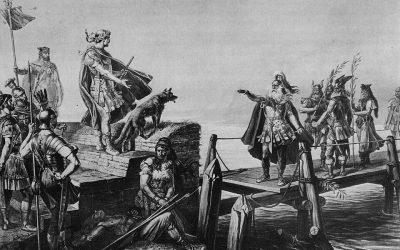
Caesar dBG Bk1 Ch13.2 Divico
Divico Divico, a prominent leader of the Helvetii tribe, emerges in Julius Caesar's Commentarii de Bello Gallico as a symbol of Gallic pride, tenacity, and tragic defiance. He is remembered for his commanding presence during two key episodes: the Helvetian victory over Roman consul Lucius Cassius Longinus in 107 BCE, and the subsequent encounter with Caesar nearly fifty years later. As a young chieftain, Divico led the Helvetii in their decisive ambush at Burdigala, where the Roman army...
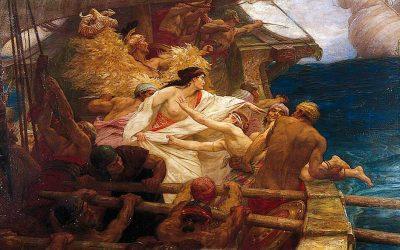
Absyrtus: Argonauts #15
Absyrtus Absyrtus, a lesser-known but pivotal figure in Greek mythology, played a tragic role in the escape of Jason and Medea following their theft of the Golden Fleece. As the son of King Aeëtes of Colchis and brother (or half-brother) to Medea, Absyrtus was caught in the violent currents of divine betrayal, sibling loyalty, and political intrigue that defined this mythic flight. According to varying accounts—most notably Apollonius of Rhodes in the Argonautica and later Roman...
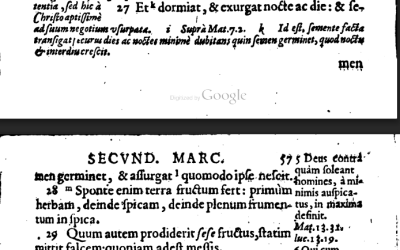
regnum: Mark 3 v24-32
regnum- a spiritual kingdomIn Vulgate Latin, the noun regnum—meaning ‘kingdom,’ ‘reign,’ or ‘rule’—takes on profound theological and eschatological significance, far beyond its classical usage. While in classical Latin regnum often referred to a political territory or the authority of a monarch, in the Vulgate it becomes a central term in expressing divine sovereignty and the spiritual realm. One of the most frequent and theologically rich uses of regnum in the Vulgate is in the phrase regnum...
nunc: Virgil Aeneid Book 1 Line 220
nunc - now or neverThe Latin adverb nunc, meaning 'now', plays a crucial role in Classical Latin, especially in epic poetry where it marks shifts in time, action, and emotion. Derived from an ancient Indo-European root, nunc emphasizes immediacy, urgency, and transformation. In Virgil’s Aeneid, it is used with great rhetorical and dramatic effect to signal pivotal moments in the narrative. One of the most striking uses of nunc in the Aeneid appears during scenes of intense decision-making or...
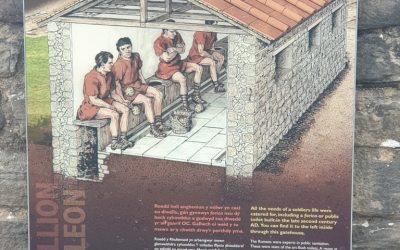
omitto (in Catilinam 14)
omitto The Latin verb omitto, omittere, omisi, omissum is a third-conjugation verb meaning 'to let go', 'to disregard', 'to neglect', or 'to omit'. Its core sense is rooted in the act of releasing or allowing something to fall away, both physically and metaphorically. It comes from the compound of ob- ('away, against') and mittere ('to send'), and thus literally implies 'sending away' or 'letting drop'. In Classical Latin prose, omitto is frequently found in rhetorical, philosophical, and...
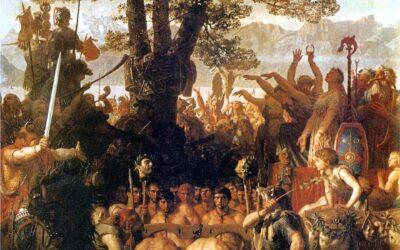
Caesar dBG Bk1 Ch12.5 Tigurinus
Tigurinus tribe The Tigurinus tribe, a sub-group of the larger Helvetii confederation, occupies a fleeting but critical moment in Julius Caesar's Commentarii de Bello Gallico. Caesar references the Tigurini in Book 1 as part of his broader justification for waging war against the migrating Helvetii in 58 BCE. According to Caesar, the Tigurini were one of four major divisions of the Helvetii, along with the Verbigeni, the Tougeni, and the Helvetii proper. Decades earlier, the Tigurini had...

opus: Argonauts #14
opusThe Latin noun opus, meaning ‘work,’ holds a prominent place in both classical literature and modern vocabulary. A neuter third-declension noun (plural: opera), opus originally referred to any labour, task, or product of effort—be it physical, intellectual, or artistic. In Classical Latin texts, opus appears frequently in prose and poetry alike. Authors such as Cicero and Livy used opus to describe the effort required to build or achieve something, whether in a civic, military, or...
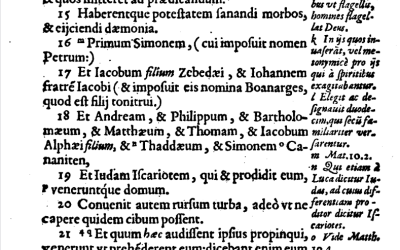
duodecim: Mark 3 v14-23
duodecim - The Twelve Disciples THE beginning of this passage describes the appointment of the twelve apostles. It is an event in our Lord’s earthly ministry, which should always be read with deep interest. What a vast amount of benefit these few men have conferred on the world! The names of a few Jewish fishermen are known and loved by millions all over the globe, while the names of many kings and rich men are lost and forgotten. It is they who do good to souls who are had "in everlasting...
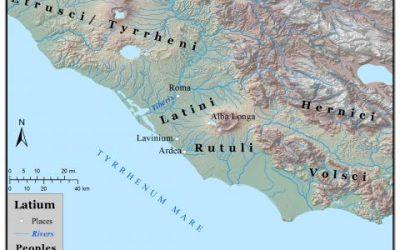
Latium: Virgil Aeneid Book 1 Line 200
Latium Latium, located in central Italy, is a historically and mythologically significant region in Virgil’s Aeneid. Situated south of Etruria and north of Campania, it encompasses a coastal and inland landscape that would later become the heart of Roman civilization. The region is characterized by rolling hills, fertile plains, and proximity to the Tiber River, making it an ideal location for settlement and expansion. It is home to various indigenous Italic peoples, including the Latins, and...
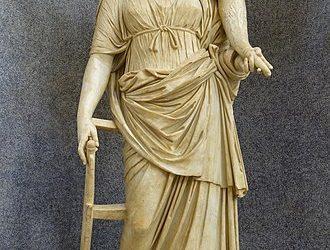
fortuna (in Catilinam 13)
fortuna The Latin word fortuna refers to luck, fate, or chance, and it plays a significant role in Roman thought and literature. It embodies both positive and negative aspects of fortune, reflecting the unpredictable nature of life. The concept of fortuna was deeply intertwined with Roman beliefs about destiny and divine influence, often appearing in philosophical discussions and poetic works. In Roman religion, Fortuna was the goddess of luck and fate, equivalent to the Greek deity Tyche. She...
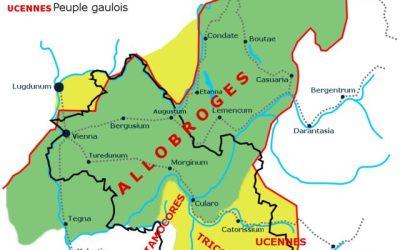
Caesar dBG Bk1 Ch11.3 Allobroges
Allobroges The Allobroges were a Gallic tribe that lived in the Rhône Valley, between the Rhône and Isère rivers, and around present-day Geneva. They were first mentioned in historical records in connection with Hannibal's crossing of the Alps in 218 BCE. The Allobroges were known for their warlike nature and played a significant role in regional conflicts. In 122 BCE, they attacked the Aedui, prompting Rome to intervene. They were defeated by Roman forces and incorporated into the province of...
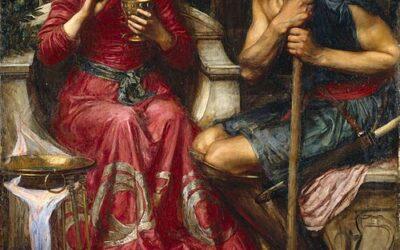
Jason: Argonauts #13
Jason Jason, a prominent figure in Greek mythology, and we have got 12 episodes into our journey withou doing a section of the leader of the Argonauts and the central hero in the quest for the Golden Fleece. His story is one of adventure, betrayal, and divine intervention, making him one of the most well-known heroes of ancient Greece. In summary, Jason was the son of Aeson, the rightful king of Iolcos, but his throne was usurped by his uncle Pelias. To reclaim his inheritance, Pelias...
NEW POSTS
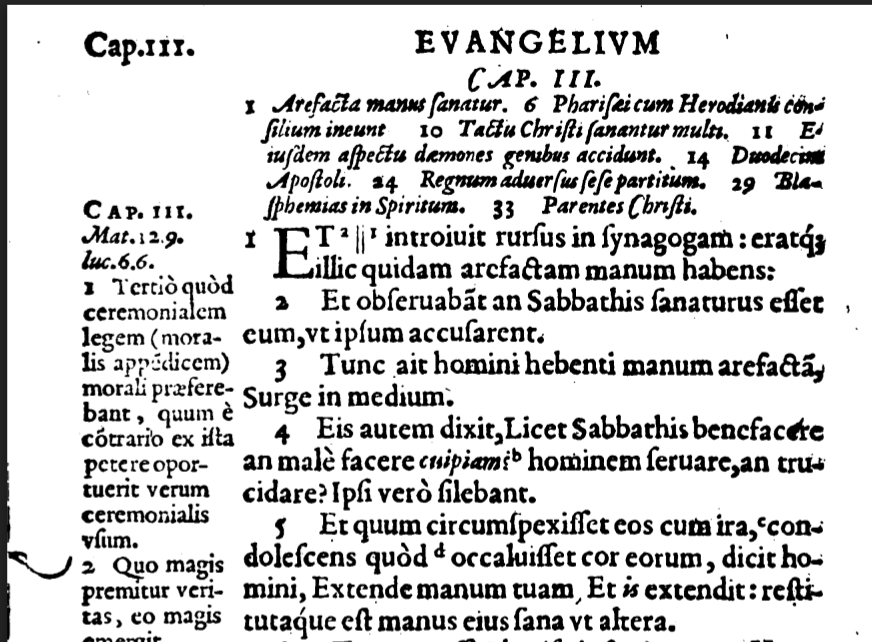
Legalism – Mark 2 v26-3 v5
Legalism Legalism is the target of Jesus in Mark 2:26-3:5, combined with His authority over religious traditions, and His emphasis on mercy over legalism. The passage begins with Jesus referencing...

scopulus: Virgil Aeneid Book 1 Line 166
scopulus The Latin noun scopulus refers to a crag, cliff, or rocky outcrop, often associated with danger and obstacles in classical literature. Derived from the Greek skópelos, meaning 'lookout...
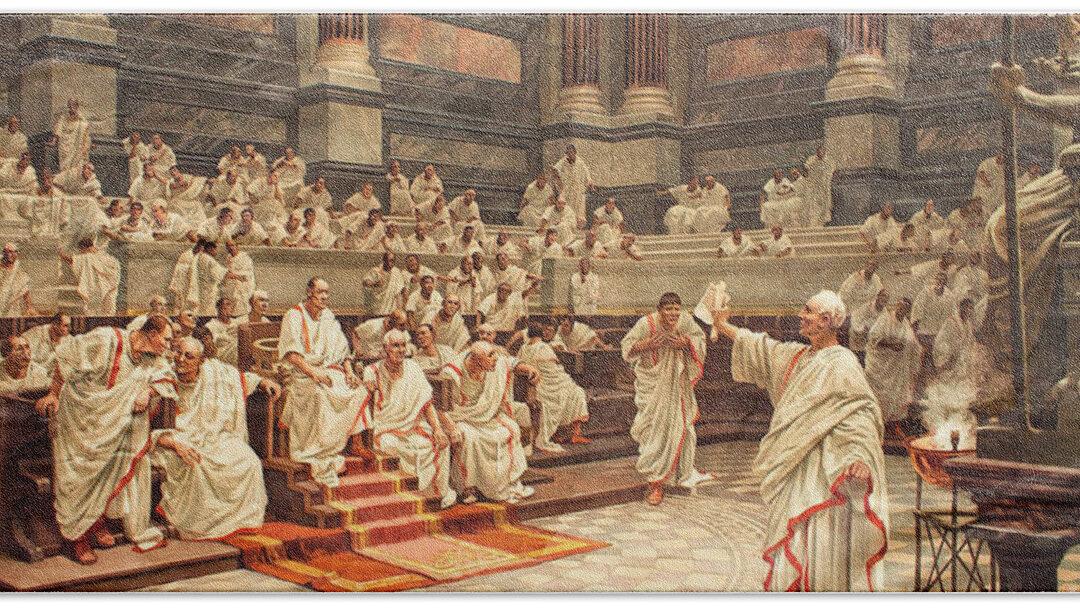
res publica (in Catilinam 11)
res publica The Roman concept of res publica—literally meaning ‘public affair’—was foundational to Roman political thought and governance. It represented the collective interests of the Roman people...
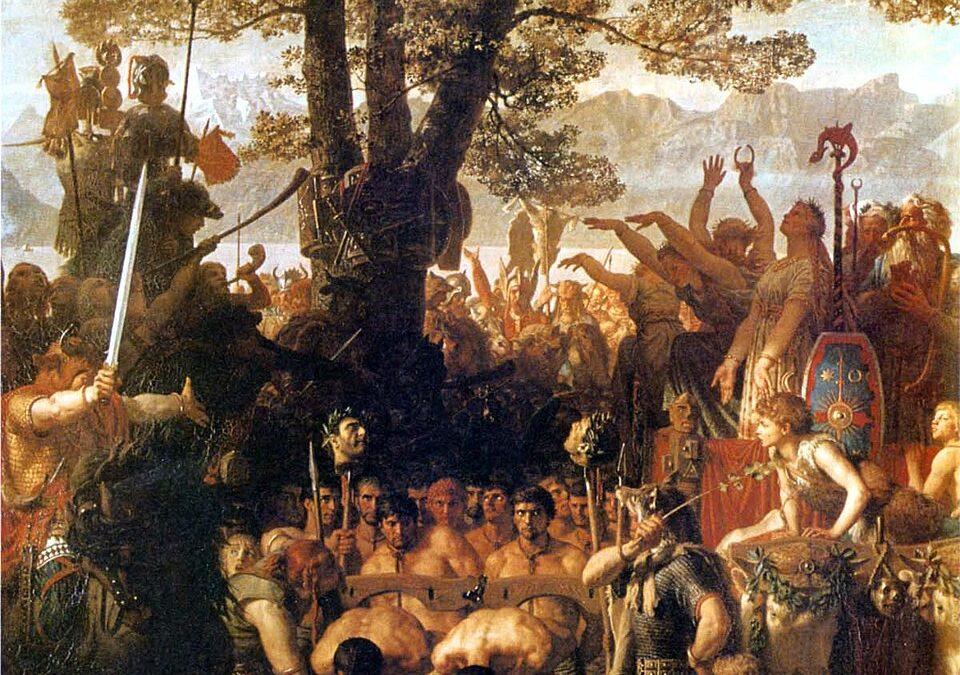
Caesar dBG Bk1 Ch9.4 Helvetii
Helvetii In Chapters 9 and 10 of De Bello Gallico, Julius Caesar describes the political and military tensions among the Gallic tribes, particularly the Helvetii and their interactions with...

Aeetes: Argonauts #11
Aeetes Aeetes, a prominent figure in Greek mythology, was the king of Colchis and the son of the sun god Helios and the Oceanid Perse. His reign was marked by immense power, magical prowess, and a...
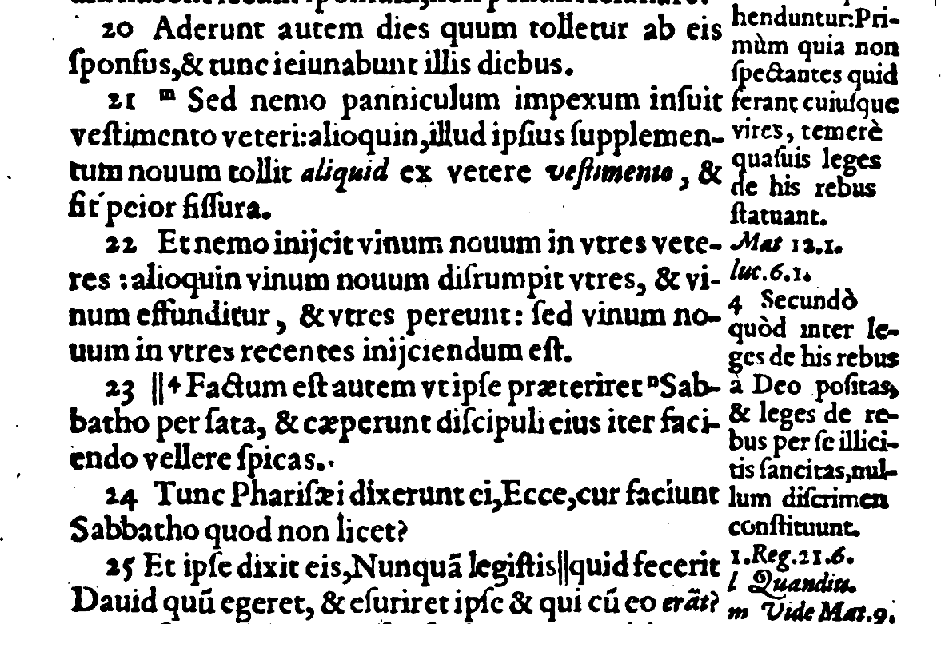
Sabbath – Mark 2 v20-25
Sabbath The Sabbath or Shabbat (from Hebrew) is a day set aside for rest and worship. In the Book of Exodus, the Sabbath is a day of rest on the seventh day, commanded by God to be kept as a holy...
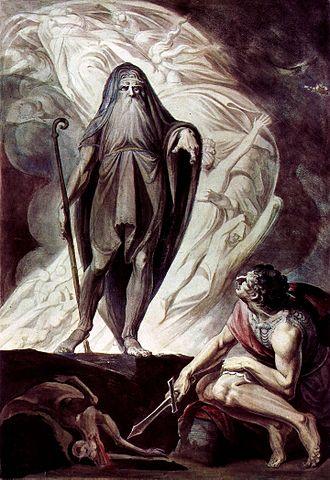
umbra: Virgil Aeneid Book 1 Line 151
Umbra In Latin poetry, the term ‘umbra’ (meaning ‘shadow’) holds significant symbolic and thematic weight. Shadows in Latin poetry often represent absence, memory, and the ephemeral nature of life,...

di immortales (in Catilinam 10)
di immortales The di immortales (immortal gods) are frequently referred to in literature of this period. Cicero in particular had an interest in the gods and wrote a few books on the subject. Works...
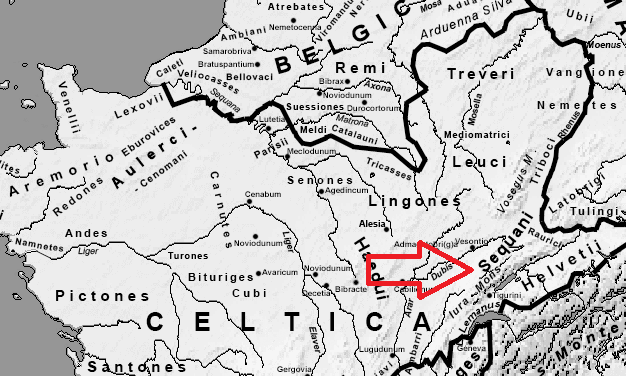
Caesar dBG Bk1 Ch8.4 una per Sequanos via
Sequani Before the arrival of Julius Caesar in Gaul, the Sequani had taken the side of the Arverni against their rivals the Aedui and hired the Suebi under Ariovistus to cross the Rhine and help...
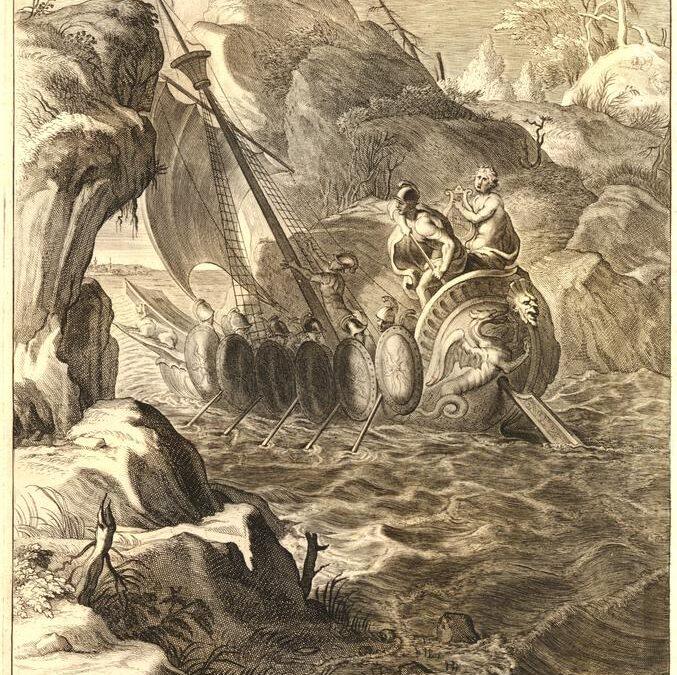
Symplegades: Argonauts #10
Symplegades The Symplegades, also known as the Clashing Rocks, present one of the most daunting challenges faced by the Argonauts in their quest for the Golden Fleece. These massive rocks at the...
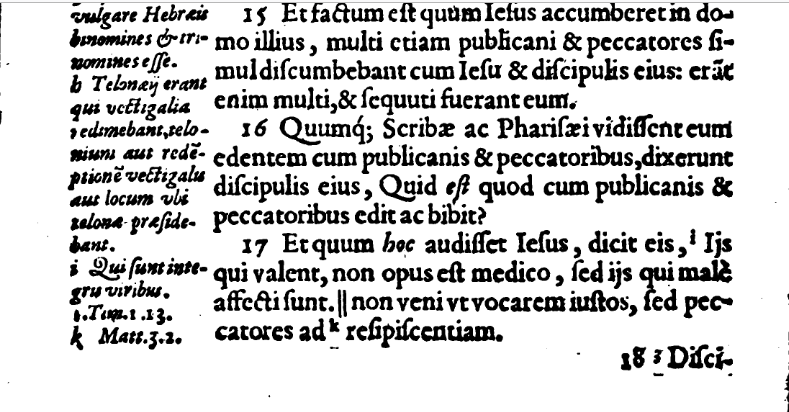
Levi – Mark 2 v15-19
Levi Levi, at the beginning of this passage (in the King James Bible), is the same person who is called Matthew in the first of the four New Testament gospels. In fact Levi (Matthew) wrote the first...
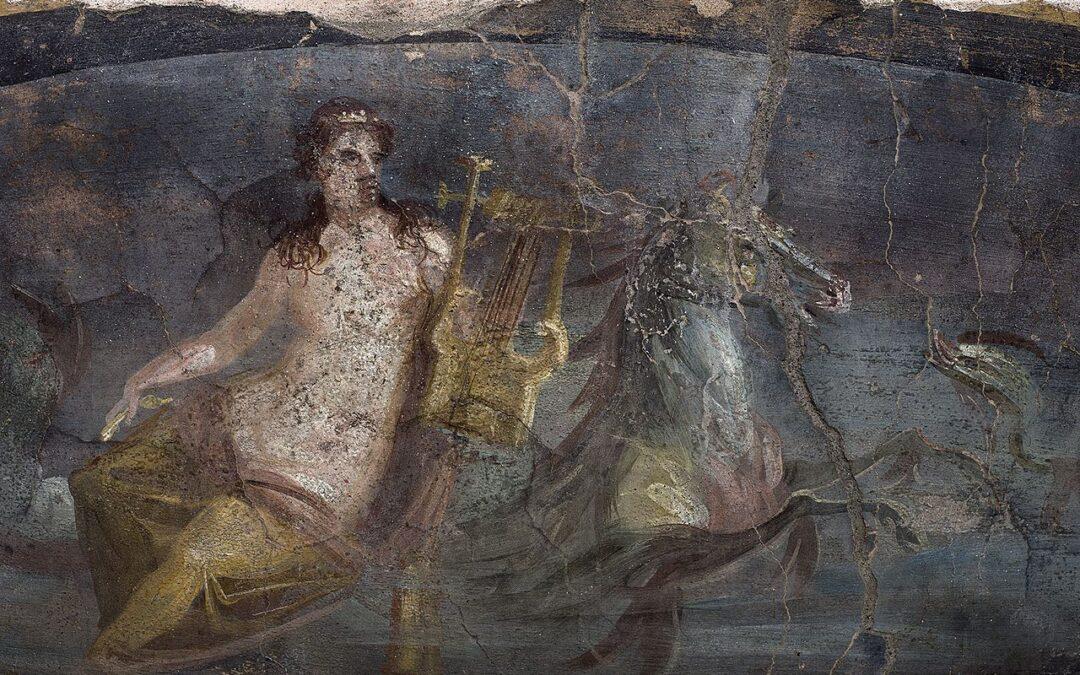
Nereids: Virgil Aeneid Book 1 Line 135
Nereids In Greek mythology, the Nereids or Nereides are sea nymphs (female spirits of sea waters), the 50 daughters of the 'Old Man of the Sea' Nereus and the Oceanid Doris, sisters to their brother...
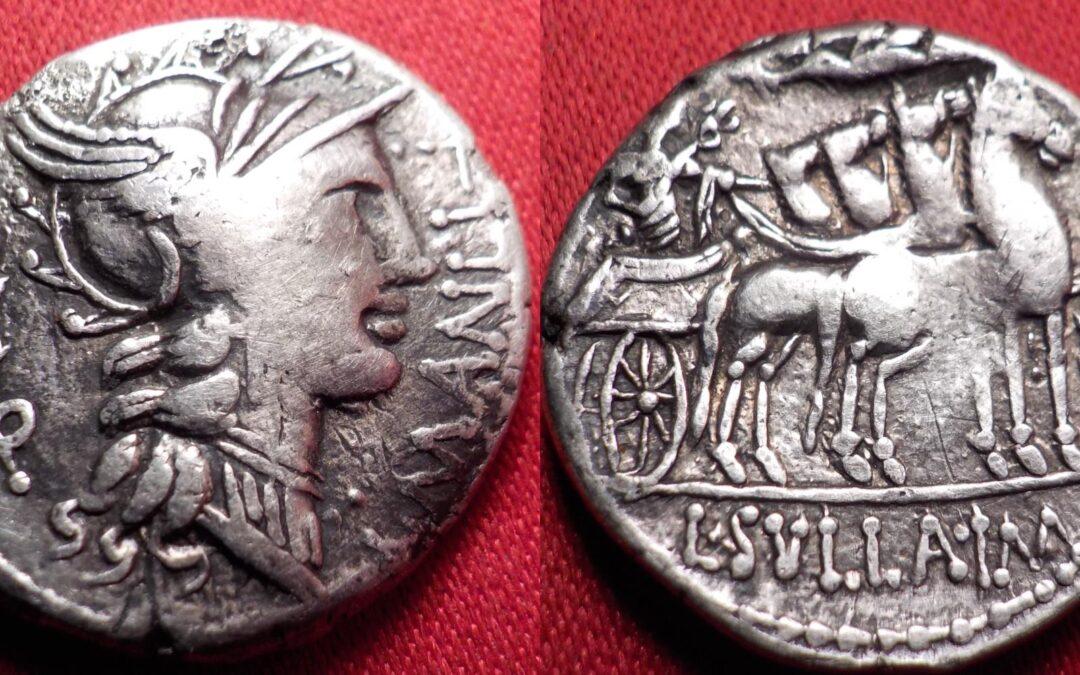
Lucius Manlius Torquatus (in Catilinam 9)
Lucius Manlius Torquatus This is the Manlius referred to in Chapter 5 where he says nimium diu te imperatorem tua illa Manliana castra desiderant - “That Manlian camp of yours has been waiting too...

Caesar dBG Bk1 Ch7.5 murum in altitudinem
Murus Caesar builds a murus (a wall), with the legion which he had with him and the soldiers which he had assembled from the Province (in the last post). He builds this earth and turf wall for...
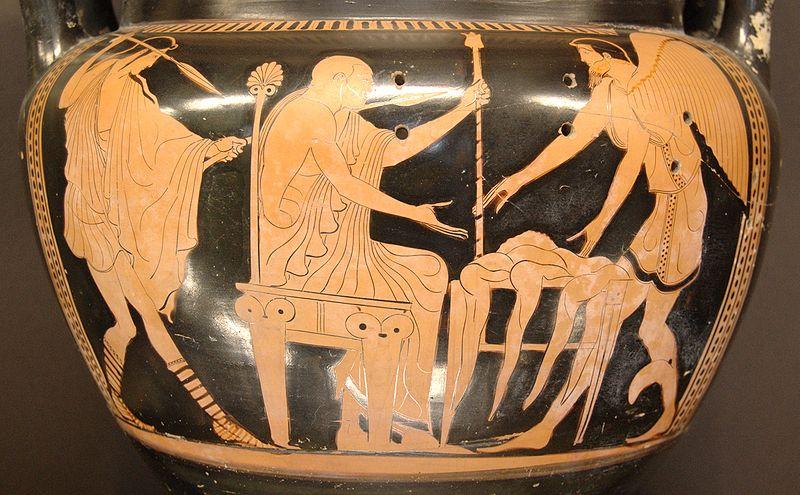
Harpies: Argonauts #9
Harpies In the myth of the Argonauts, the Harpies are vicious winged spirits known for their relentless torment of the blind prophet Phineus. Sent by the gods as punishment for Phineus’s misuse of...
universus: in Catilinam (11) Vocab
universus - turned into one The Latin adjective universus is a fascinating word that conveys the idea of entirety, wholeness, and universality. It is derived from unus (meaning ‘one’) and versus (meaning ‘turned’), which together suggest something...
suscipio: Caesar dBG Bk1 Ch9.4 Vocab
suscipio - I undertakeThe Latin verb suscipio (suscipere, suscepi, susceptum) belongs to the third conjugation and carries a range of meanings, including ‘to undertake,’ ‘to receive,’ ‘to support,’ and ‘to take upon oneself.’ Derived from the...
brevi: Argonauts #11 Vocab
brevi - a short passage of timeThe Latin adverb brevi originates from the ablative form of brevis (meaning ‘short’ or ‘brief’) and conveys the sense of ‘soon,’ ‘shortly,’ or ‘briefly.’ In classical Latin literature, brevi was employed in various...
venio: Mark 2 v20-25 Vocab
venio - I come, approach The Latin verb venio (venire, veni, ventum) belongs to the fourth conjugation and primarily means ‘to come’ or ‘to arrive.’ However, its usage in Vulgate Latin, the Latin translation of the Bible by St. Jerome, carries...
pietas: Virgil Aeneid Book 1 Line 151 (Vocab)
pietas - duty, devotion, and loyalty The Latin concept of pietas was one of the most revered virtues in ancient Roman society, embodying duty, devotion, and loyalty to the gods, family, and the state. Unlike the modern English word "piety," which...
fero: in Catilinam (10) Vocab
fero - can you bear it? The Latin verb fero, meaning 'to bear, carry, bring, endure,' has had a profound influence on English vocabulary through its derivatives. In Latin, fero is highly irregular, with principal parts fero, ferre, tuli, latum. It...
spes – Caesar dBG Bk1 Ch8.4 Vocab
spes - where there is hope...The Latin noun spes, meaning ‘hope,’ held significant philosophical, religious, and cultural weight in both classical Latin and Vulgate literature. In classical Latin, spes was often associated with optimism,...
pro: Argonauts #10 Vocab
pro - not this time bono! The Latin preposition pro is one of the most versatile and widely used words in classical literature, carrying meanings related to substitution, defense, advantage, and location. It governs the ablative case and frequently...
factum: Mark 2 v15-19 Vocab
factum - the deed is done The Latin noun factum—derived from the verb facere (to do, to make)—has played a significant role in both classical and ecclesiastical literature. In classical Latin, factum primarily referred to an action, deed, or event....
praesto: Aeneid Book 1 Line 135 (Vocab)
praesto - hey praestoThe Latin verb praesto carries a rich and multifaceted meaning, often signifying the ideas of excellence, offering, or standing before. It belongs to the first conjugation (praestare, praestiti, praestatum), and depending on...
cura: in Catilinam (9) Vocab
cura- concerned about careThe Latin word cura (genitive: curae), meaning care, concern, attention, or anxiety, is a first-declension feminine noun with significant versatility and depth. Its usage in classical Roman literature reflects a range of...
spatium: Caesar dBG Bk1 Ch7.5 Vocab
spatium - space the final frontierThe Latin noun spatium carries a breadth of meanings across various literary contexts, reflecting its significance in both the physical and metaphorical realms. Primarily, spatium denotes ‘space’ or ‘distance,’...
appello: Argonauts #9 Vocab
appello - to call or not to call... The Latin verbs appello, appellare and appello, appellere share a common root but diverge significantly in meaning and usage within Latin literature and discourse. Their differences stem from their grammatical...
suus: Mark 2 v8-14 Vocab
suus - belonging to oneself The Latin possessive determiner suus holds a distinctive place in Latin grammar and meaning, marking possession in a way that differs from other possessive adjectives. Suus, sua, suum translates to ‘his own,’ ‘her own,’...
rarus Aeneid Book 1 Line 118 (Vocab)
The Versatility of the Latin Adjective 'rarus'rarus (feminine rara, neuter rarum); first/second-declension adjective [comparative rarior, superlative rarissimus, adverb rara or rare] In the rich tapestry of the Latin language, few adjectives are as...