
by Ian | Aug 25, 2025 | Argonauts
vix - it can be difficult The Latin adverb vix means 'hardly', 'scarcely', or 'with difficulty', and is used across classical Latin literature to express limitation, effort, or the narrow margin by which something occurs. It often introduces a sense of tension or...

by Ian | Aug 18, 2025 | Argonauts
consilium - when a plan comes together The Latin noun consilium, a neuter second-declension word, encompasses meanings such as 'plan', 'advice', 'counsel', and 'deliberation'. Its semantic range allows it to function in both abstract and concrete contexts, making it a...

by Ian | Aug 11, 2025 | Argonauts
filia - dads and their daughters The Latin noun filia, meaning 'daughter', is a first-declension feminine noun that appears in a range of classical Latin texts, often in contexts involving family, inheritance, and social relationships. While not as frequently...

by Ian | Aug 4, 2025 | Argonauts
cupiditas - desire The Latin noun cupiditas, feminine and of the third declension, denotes desire, longing, or ambition, and features prominently in moral, philosophical, and political discourse throughout classical Latin literature. It is often used to express not...

by Ian | Jul 28, 2025 | Argonauts
tandem -finally at last The adverb tandem, often translated as ‘finally’ or ‘at last’, functions as more than mere temporal punctuation in classical Latin. It frequently carries emotional weight, signifying relief, frustration, or anticipation reaching its resolution....
by Ian | Jul 21, 2025 | Argonauts
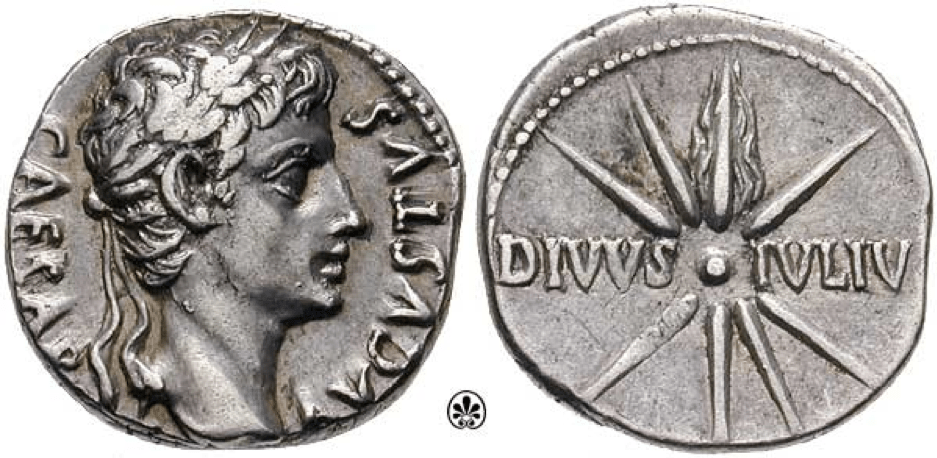
filius - my son The noun filius, meaning ‘son’, occupies a central position in Roman thought, often entwined with legal identity, moral duty, lineage, and political expectation. Its appearances in classical texts are rarely incidental; filius marks both familial...

Recent Comments