
by Ian | Jul 14, 2025 | Argonauts
mora - delays are a hindrance In Latin, mora is a feminine noun of the first declension meaning 'delay', 'pause', or 'hindrance'. Its forms include mora, morae, morae, moram, morā in the singular and morae, morarum, moris, moras, moris in the plural. The word derives...
by Ian | Jul 7, 2025 | Argonauts
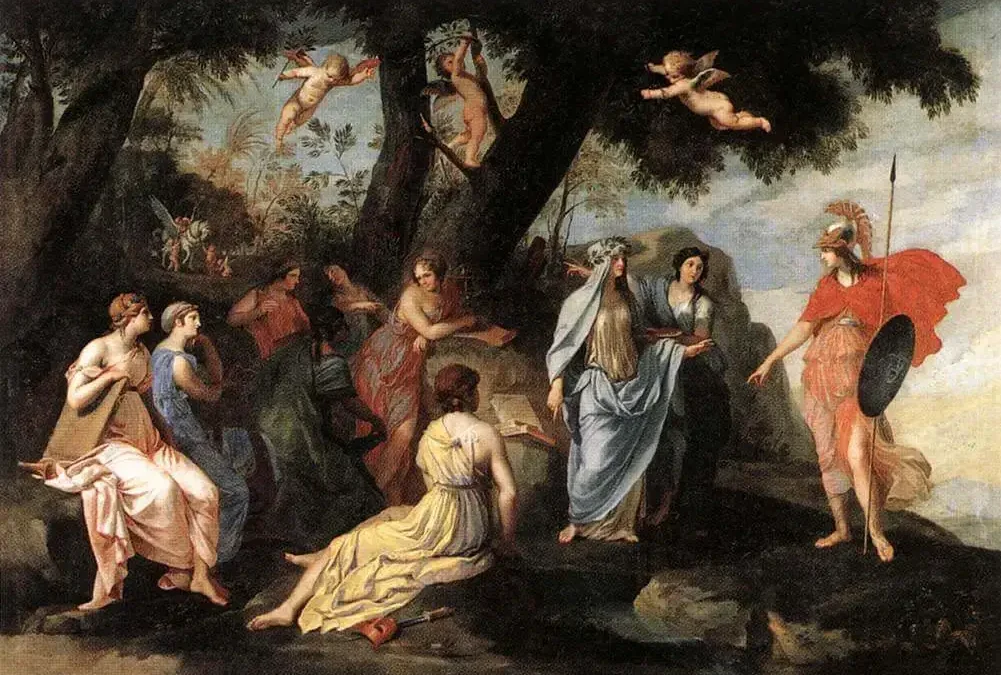
animus - it's all in the mind In Latin, animus is a rich and multifaceted noun meaning 'mind', 'spirit', 'soul', or 'intellect'. It belongs to the second declension and is masculine: animus, animi, animo, animum, animo in the singular; animi, animorum, animis, animos,...
by Ian | Jun 30, 2025 | Argonauts
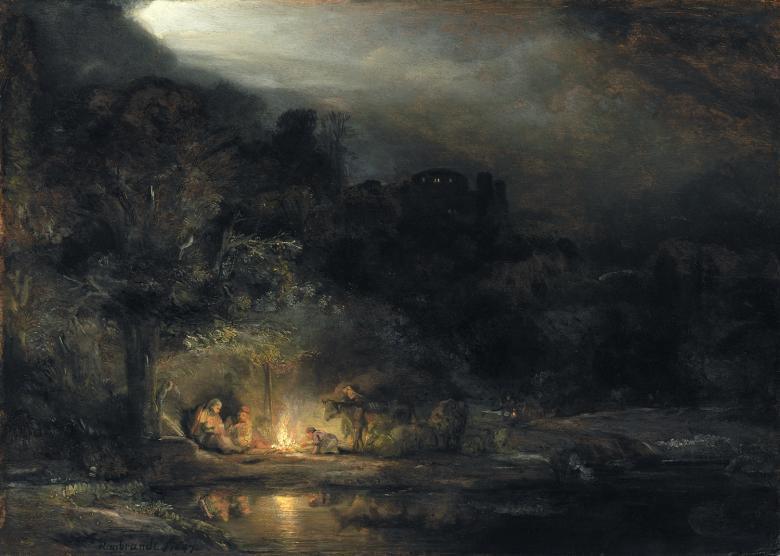
lux The Latin noun lux (gen. lucis) belongs to the third declension and means ‘light,’ ‘daylight,’ or ‘brightness,’ both in a physical and metaphorical sense. As a fundamental concept in Roman literature, philosophy, and religion, lux is a recurring theme in poetic,...
by Ian | Jun 23, 2025 | Argonauts
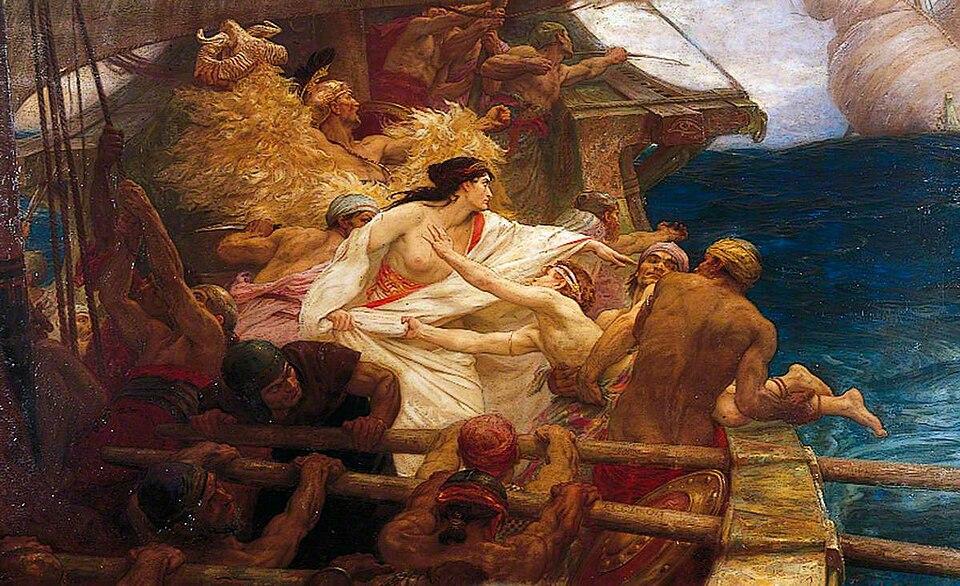
Absyrtus Absyrtus, a lesser-known but pivotal figure in Greek mythology, played a tragic role in the escape of Jason and Medea following their theft of the Golden Fleece. As the son of King Aeëtes of Colchis and brother (or half-brother) to Medea, Absyrtus was caught...

by Ian | Jun 16, 2025 | Argonauts
opus The Latin noun opus, meaning ‘work,’ holds a prominent place in both classical literature and modern vocabulary. A neuter third-declension noun (plural: opera), opus originally referred to any labour, task, or product of effort—be it physical, intellectual, or...
by Ian | Jun 9, 2025 | Argonauts
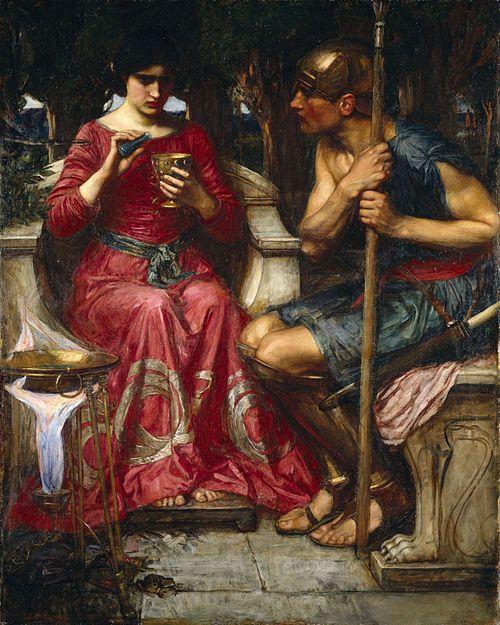
Jason Jason, a prominent figure in Greek mythology, and we have got 12 episodes into our journey withou doing a section of the leader of the Argonauts and the central hero in the quest for the Golden Fleece. His story is one of adventure, betrayal, and divine...

Recent Comments