
by Ian | Sep 12, 2025 | Mark
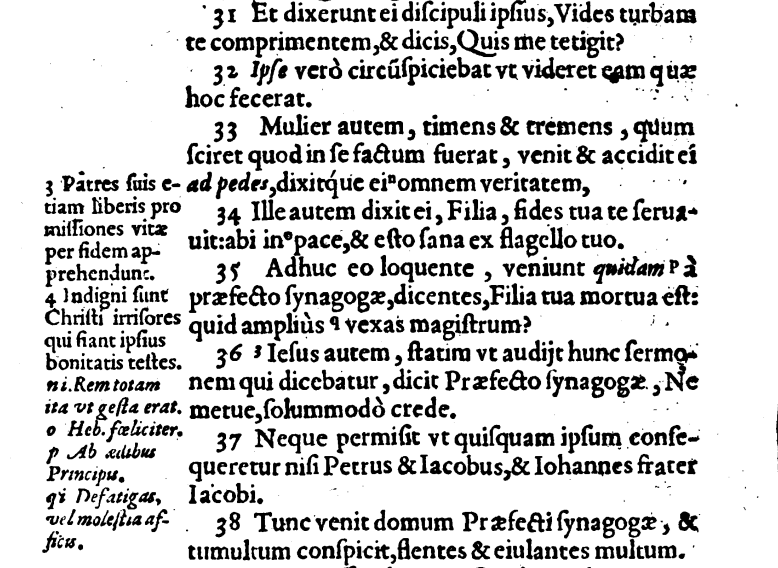
turbo - nothing to do with GT The Latin word turbo exists both as a noun and a verb, each with distinct but related meanings that enrich classical Latin literature through imagery of motion, chaos, and force. As a noun, turbo refers to a ‘whirlwind’, ‘spinning top’,...
by Ian | Sep 5, 2025 | Mark
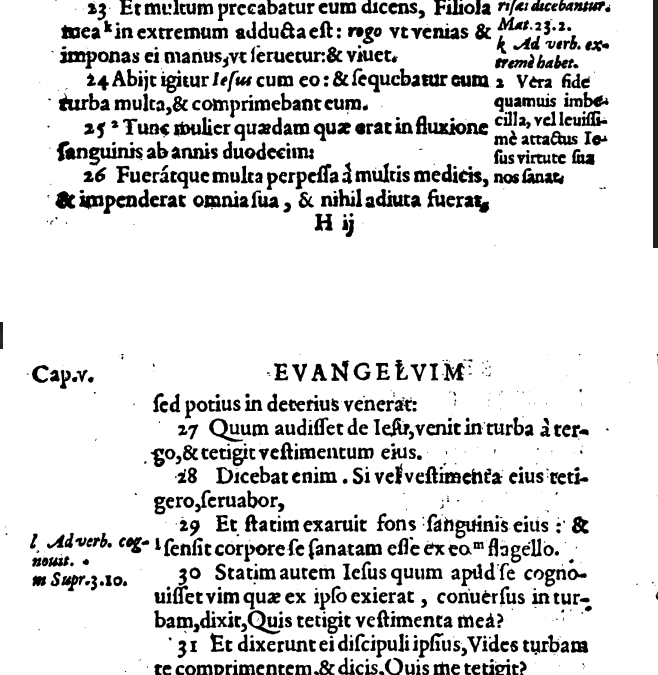
video - I can see clearly now The Latin verb video, meaning ‘I see’, is one of the most frequently used and conceptually rich verbs in classical Latin literature. It expresses not only physical sight but also perception, understanding, and mental insight. Its range of...
by Ian | Aug 29, 2025 | Mark
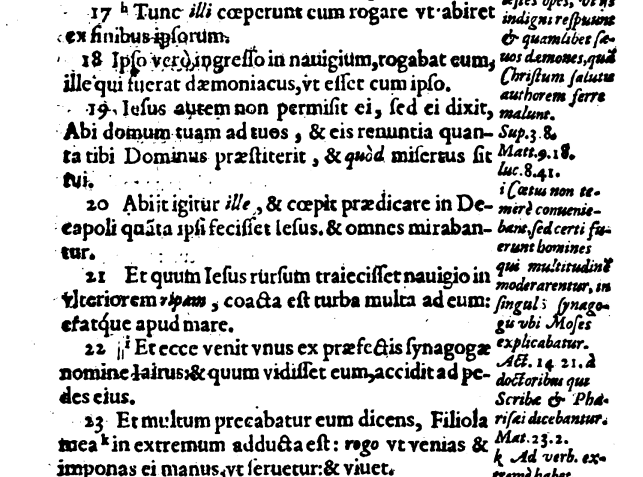
abeo - I go away from here The Latin verb abeo means ‘I go away’, ‘I depart’, or ‘I pass’. It is a compound of ab- and eo, and its primary sense is spatial, indicating movement away from a place or person. However, in classical literature, abeo acquires broader...
by Ian | Aug 22, 2025 | Mark
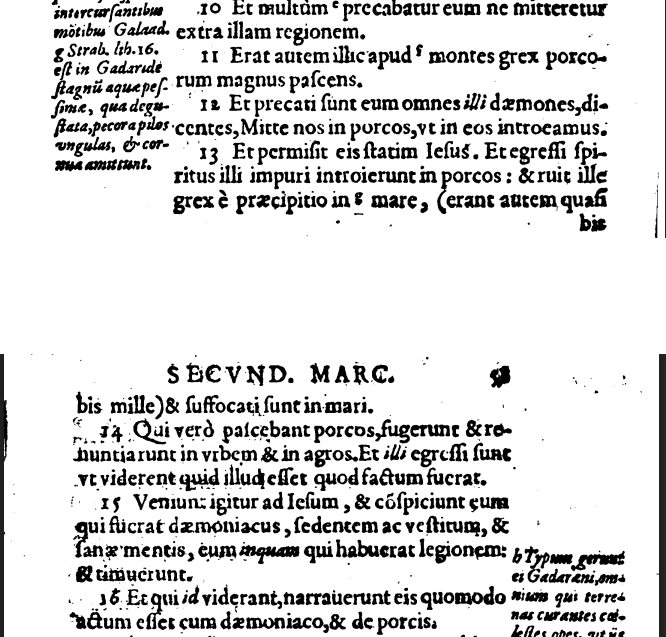
rogo - any questions? The Latin verb rogo means ‘I ask’, ‘I request’, or ‘I propose’, and its usage in classical literature spans legal, political, and poetic domains. It is a foundational term in Roman civic life, especially in the context of legislation, where...
by Ian | Aug 15, 2025 | Mark
deprecor - pleading heart? The Latin verb deprecor carries the sense of pleading, entreating, or seeking to avert something through prayer or supplication. It is a compound of de- and precor, intensifying the act of praying or begging, often with an undertone of...
by Ian | Aug 8, 2025 | Mark
fretum - dire straits The Latin noun fretum refers to a strait or narrow sea channel, often turbulent or dangerous, and is typically used to describe maritime passages between landmasses. Its semantic field includes both geographical and metaphorical dimensions,...

Recent Comments