by Ian | Aug 1, 2025 | Mark
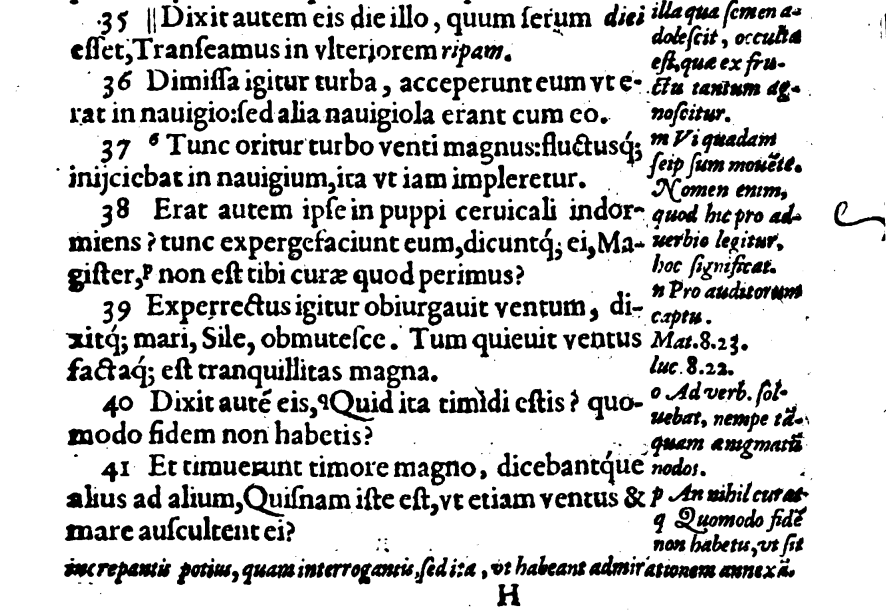
transeo - cross to the other side The Latin verb transeo—meaning ‘to go across,’ ‘to pass over,’ ‘to go beyond,’ or ‘to cross’—appears in the Vulgate with layered usage that navigates physical movement, moral transformation, and eschatological vision. As a compound of...
by Ian | Jul 25, 2025 | Mark
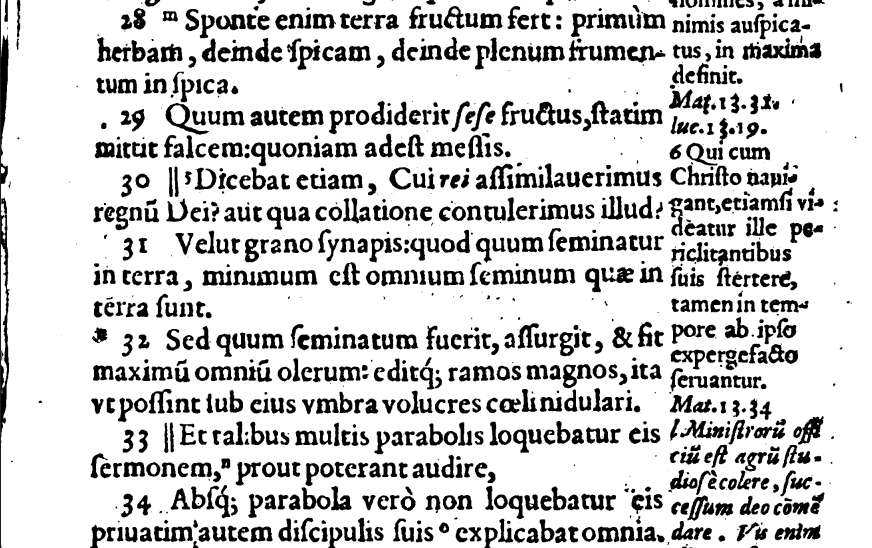
terra - land not cotta The Latin noun terra—meaning ‘earth,’ ‘land,’ or ‘ground’—functions in the Vulgate as both a geographic and theological canvas. Jerome’s rendering infuses terra with layers of meaning that move between mundane soil and sacred significance,...
by Ian | Jul 18, 2025 | Mark
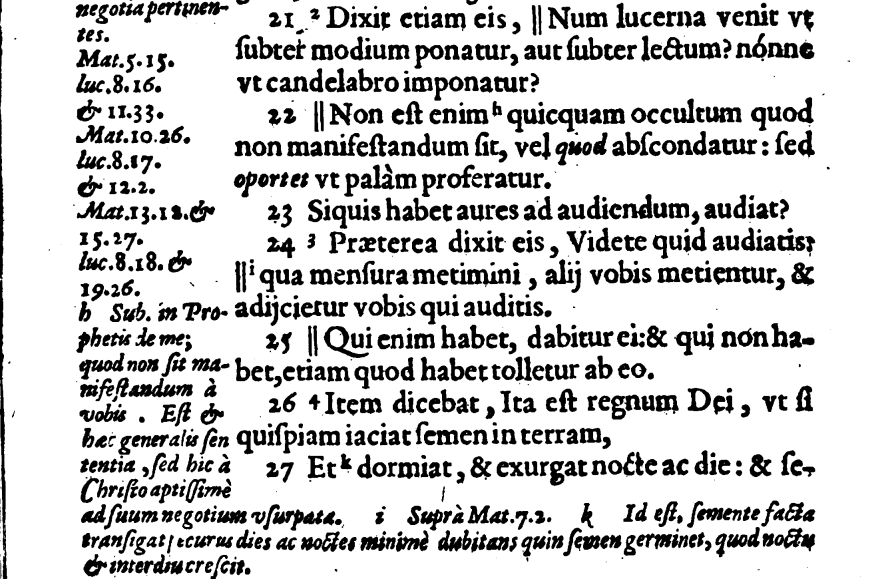
pono - put it in place The Latin verb pono—meaning ‘to place,’ ‘put,’ ‘lay,’ or ‘establish’—holds exceptional utility and nuance in the text of the Vulgate. Deriving from a foundational semantic field of physical placement, pono stretches well beyond literal spatial...
by Ian | Jul 11, 2025 | Mark
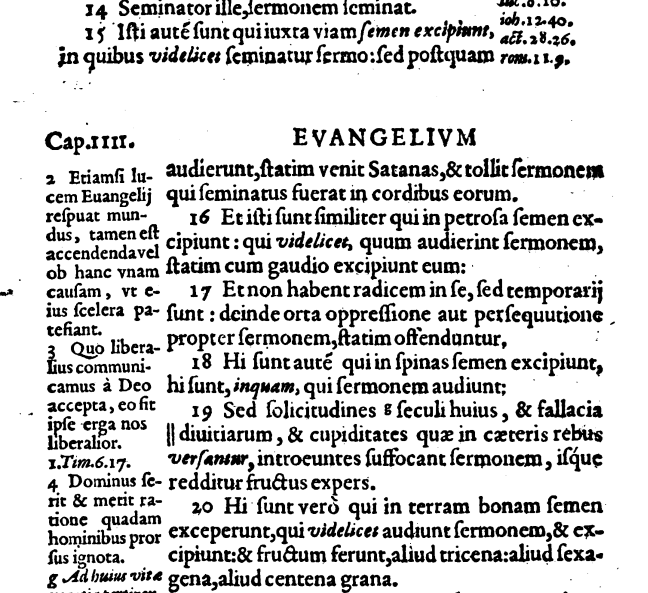
deinde - then, who is next? In Latin, deinde is an adverb meaning 'then', 'next', or 'afterwards', and it plays a vital role in structuring narrative, argument, and sequence across classical literature. Formed from the preposition de ('from') and the demonstrative...
by Ian | Jul 4, 2025 | Mark
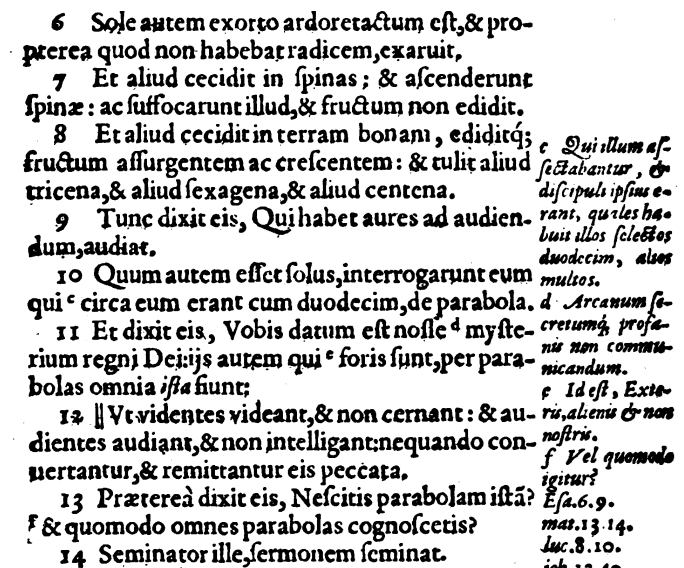
radix - the root of all things In Latin, radix means 'root' and serves both literal and metaphorical functions across classical literature. A third-declension feminine noun, its forms include radix, radicis, radici, radicem, radice in the singular and radices,...
by Ian | Jun 27, 2025 | Mark
mater - mother The Latin noun mater, meaning 'mother', is a first declension feminine noun with the genitive form matris. Its use spans classical, medieval, and ecclesiastical Latin, often reflecting both biological and symbolic maternal roles. In ecclesiastical...

Recent Comments