
by Ian | Sep 11, 2025 | Aeneid Book 1
qualis - of what kind? The Latin adjective qualis, meaning ‘of what kind’ or ‘such as’, is a relative and interrogative term used to describe the nature or quality of a person, object, or action. It functions both descriptively and comparatively, often appearing in...

by Ian | Sep 4, 2025 | Aeneid Book 1
talis - of such a kind is this The Latin adjective talis, meaning ‘such’ or ‘of such a kind’, is a demonstrative term used to indicate quality, type, or nature, often in relation to something previously mentioned or implied. Its function is both grammatical and...

by Ian | Aug 28, 2025 | Aeneid Book 1
aspicio - to behold The Latin verb aspicio (infinitive aspicere, perfect aspexi, supine aspectum) means ‘to look at’, ‘to behold’, or ‘to observe’, and is used in classical Latin literature to convey both physical sight and metaphorical attention or recognition. It...

by Ian | Aug 21, 2025 | Aeneid Book 1
pius - a dutiful son In Virgil’s Aeneid, the adjective pius is most famously associated with Aeneas, who is repeatedly referred to as pius Aeneas. The term carries a rich and layered significance that extends beyond its basic meaning of ‘dutiful’ or ‘pious’. In the...
by Ian | Aug 14, 2025 | Aeneid Book 1
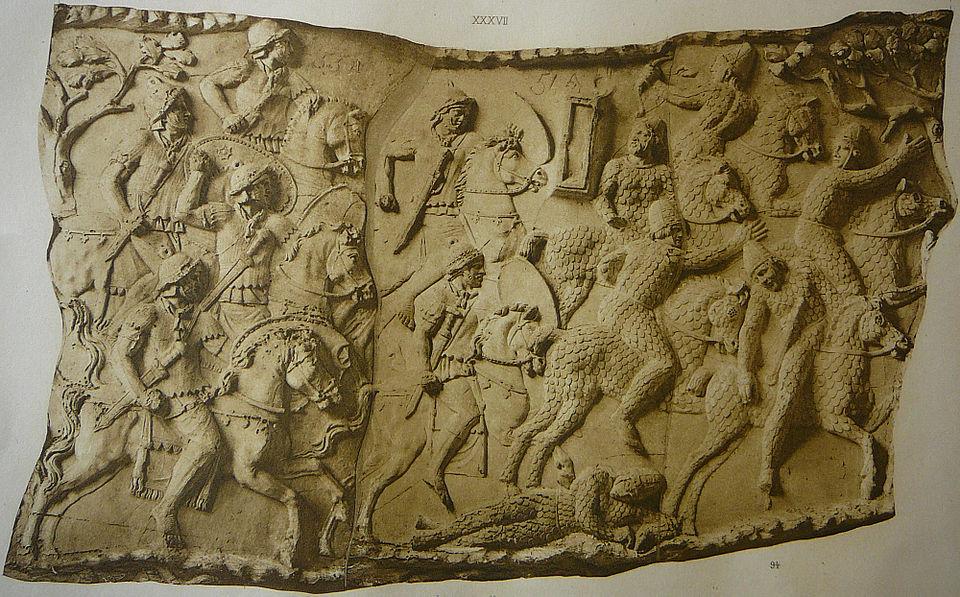
fuga - escape and flee to exile! The Latin noun fuga (feminine, first declension) means ‘flight’, ‘escape’, or ‘exile’, and is used in classical Latin literature to convey both literal movement away from danger and metaphorical withdrawal from situations, obligations,...
by Ian | Aug 7, 2025 | Aeneid Book 1
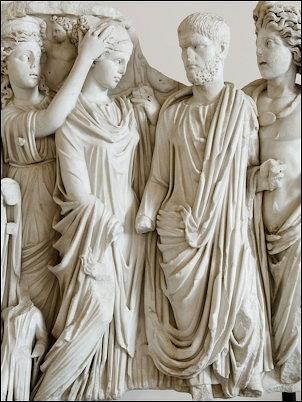
coniunx - to have and to hold from this day forward The Latin noun coniunx (also spelt coniux) denotes ‘spouse’, encompassing both ‘husband’ and ‘wife’. It derives from the verb coniungo, meaning ‘to join together’, and thus implies a bond formed through union—legal,...

Recent Comments