
newest posts
CLASSIC TEXTS
VOCAB TEXTS
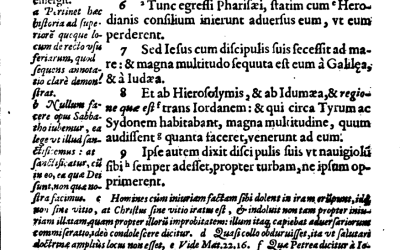
Pharisees – Mark 3 v6-13
Pharisees The passage begins with the Pharisees plotting with the Herodians to kill Jesus after He healed a man with a withered hand on the Sabbath. This act of healing, seen as a violation of strict Sabbath laws, enraged the Pharisees, who viewed Jesus as a threat to their authority. Following this confrontation, Jesus withdraws to the lake, where large crowds from various regions gather to see Him. People from Judea, Jerusalem, Idumea, and beyond flock to Him, drawn by His miracles and...
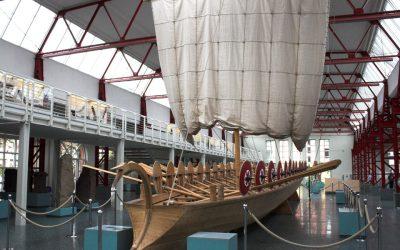
navis: Virgil Aeneid Book 1 Line 184
navis lusoriaA lusoria (short form of navis lusoria from Latin 'dancing/playful ship', plural naves lusoriae) was a type of small military vessel of the late Roman Empire that served as a troop transport. It was powered by about thirty soldier-oarsmen and an auxiliary sail. Nimble, graceful, and of shallow draft, such a navis lusoria was used on northern rivers close to the Limes Germanicus, the Germanic border, and thus saw service on the Rhine and the Danube. The Roman historian Ammianus...
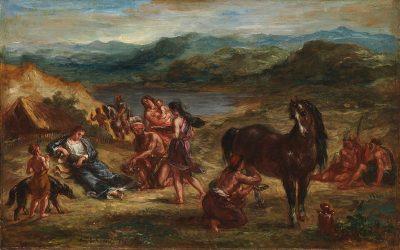
exsilium (in Catilinam 12)
exsiliumThe Roman concept of exsilium referred to exile or banishment, a form of punishment that removed individuals from their homeland, often as an alternative to harsher penalties like execution. However, exsilium was voluntary on the part of an accused citizen, and was allowed by law ; thus citizens often withdrew to escape fines, but when the charge was a grave one, e.g. scandalous misgovernment (as Verres), or the putting to death of Roman citizens illegally (as Cicero), the accused...
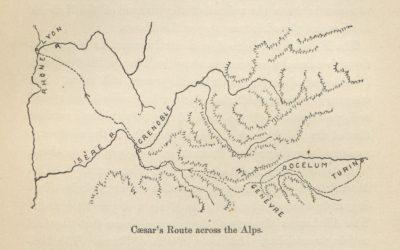
Caesar dBG Bk1 Ch10.4 Ocelum
Ocelum Ocelum was a Roman town located at the frontier of Cisalpine Gaul, marking the boundary between Roman-controlled territory and the independent Alpine tribes. Julius Caesar mentions Ocelum in Commentarii de Bello Gallico, describing it as the last settlement in the province before entering the rugged and often hostile regions beyond. Strategically, Ocelum played a crucial role in Roman expansion. It served as a gateway for military campaigns and trade routes through the Alps. The town...
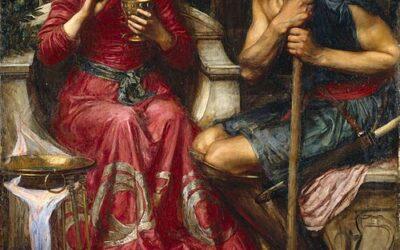
Medea: Argonauts #12
Medea The relationship between Medea and Jason in the myth of the Argonauts is one of passion, betrayal, and tragedy. Their story, deeply embedded in Greek mythology, showcases themes of love, loyalty, and vengeance. Meeting and Alliance Jason, the leader of the Argonauts, embarks on a perilous quest to retrieve the Golden Fleece from Colchis. Medea, a powerful sorceress and daughter of King Aeëtes, falls in love with Jason, largely due to the intervention of Aphrodite, who ensures her...
Legalism – Mark 2 v26-3 v5
Legalism Legalism is the target of Jesus in Mark 2:26-3:5, combined with His authority over religious traditions, and His emphasis on mercy over legalism. The passage begins with Jesus referencing an event from the Old Testament, where David and his men ate the consecrated bread in the house of God when they were hungry. Jesus uses this example to challenge the Pharisees’ rigid interpretation of the Sabbath, emphasizing that human need takes precedence over strict ritual observance - the...
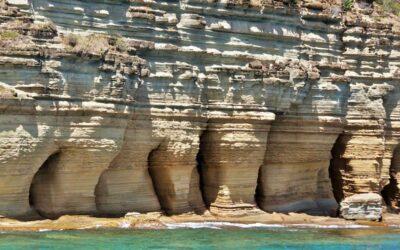
scopulus: Virgil Aeneid Book 1 Line 166
scopulus The Latin noun scopulus refers to a crag, cliff, or rocky outcrop, often associated with danger and obstacles in classical literature. Derived from the Greek skópelos, meaning 'lookout place' or 'promontory,' scopulus frequently appears in Roman texts to describe treacherous landscapes, maritime hazards, and metaphorical challenges. Usage in Classical Latin Literature The word scopulus is commonly found in epic poetry, particularly in works by Vergil, Ovid, and Horace. In Vergil’s...
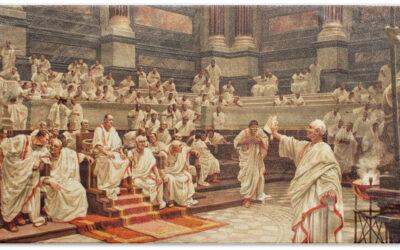
res publica (in Catilinam 11)
res publica The Roman concept of res publica—literally meaning ‘public affair’—was foundational to Roman political thought and governance. It represented the collective interests of the Roman people and the state, emphasizing the idea that power and responsibility should be shared among citizens rather than concentrated in the hands of a single ruler. Origins and Meaning The term res publica was used in various contexts, but at its core, it signified the Roman Republic, a system of government...
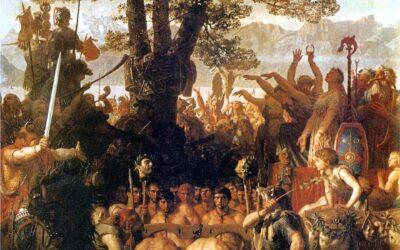
Caesar dBG Bk1 Ch9.4 Helvetii
Helvetii In Chapters 9 and 10 of De Bello Gallico, Julius Caesar describes the political and military tensions among the Gallic tribes, particularly the Helvetii and their interactions with neighbouring groups. Chapter 9: The Helvetii and Their Allies Caesar details how the Helvetii, a powerful Gallic tribe, seek alliances with other groups to strengthen their position. They attempt to persuade the Sequani and Aedui to support their migration across Gaul. The Sequani, pressured by the Helvetii...
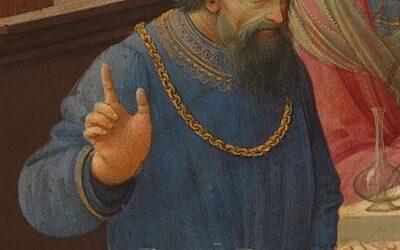
Aeetes: Argonauts #11
Aeetes Aeetes, a prominent figure in Greek mythology, was the king of Colchis and the son of the sun god Helios and the Oceanid Perse. His reign was marked by immense power, magical prowess, and a reputation for ruthlessness. Aeëtes is most famously known as the guardian of the Golden Fleece, a symbol of divine favour and authority, which he kept in a sacred grove guarded by a fearsome dragon. Aeëtes' kingdom of Colchis was located at the eastern end of the Black Sea, a land rich in resources...
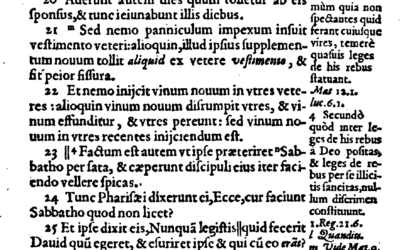
Sabbath – Mark 2 v20-25
Sabbath The Sabbath or Shabbat (from Hebrew) is a day set aside for rest and worship. In the Book of Exodus, the Sabbath is a day of rest on the seventh day, commanded by God to be kept as a holy day of rest, as God rested from creation. Sabbath observance is commanded in the Ten Commandments. We see Jesus and His disciples going "through the corn fields on the Sabbath day." We are told that His disciples, "as they went, began to pluck the ears of corn." At once we hear the Pharisees accusing...
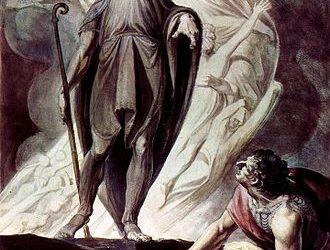
umbra: Virgil Aeneid Book 1 Line 151
Umbra In Latin poetry, the term ‘umbra’ (meaning ‘shadow’) holds significant symbolic and thematic weight. Shadows in Latin poetry often represent absence, memory, and the ephemeral nature of life, serving as a powerful metaphor for the human condition. One of the most notable examples of umbra is found in the works of Virgil. In the Aeneid, shadows frequently symbolize the past, the underworld, and the transient nature of human endeavors. An umbra can also be the spirit or ghost of a dead...
NEW POSTS
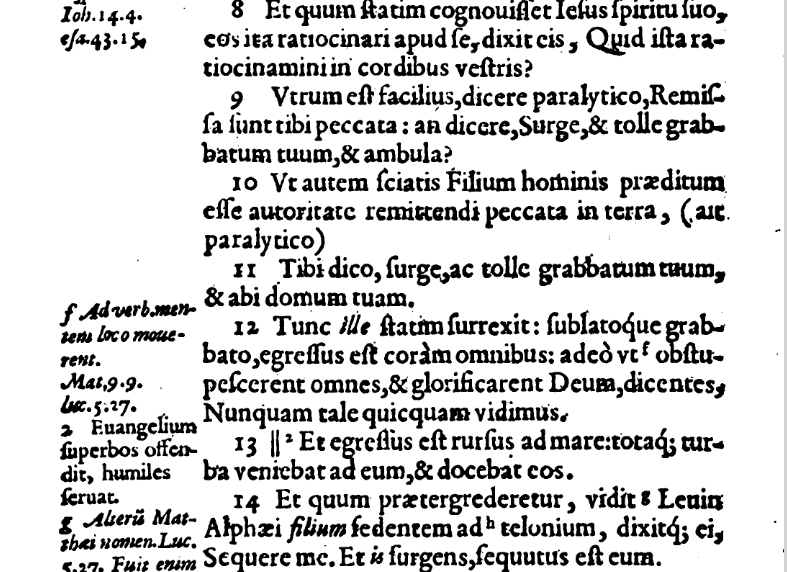
Power – Mark 2 v8-14
Power The power to forgive sins is demonstrated when read that our Lord said to the sick of the palsy, "Son, thy sins be forgiven thee." He said these words with a meaning. He knew the hearts of the...
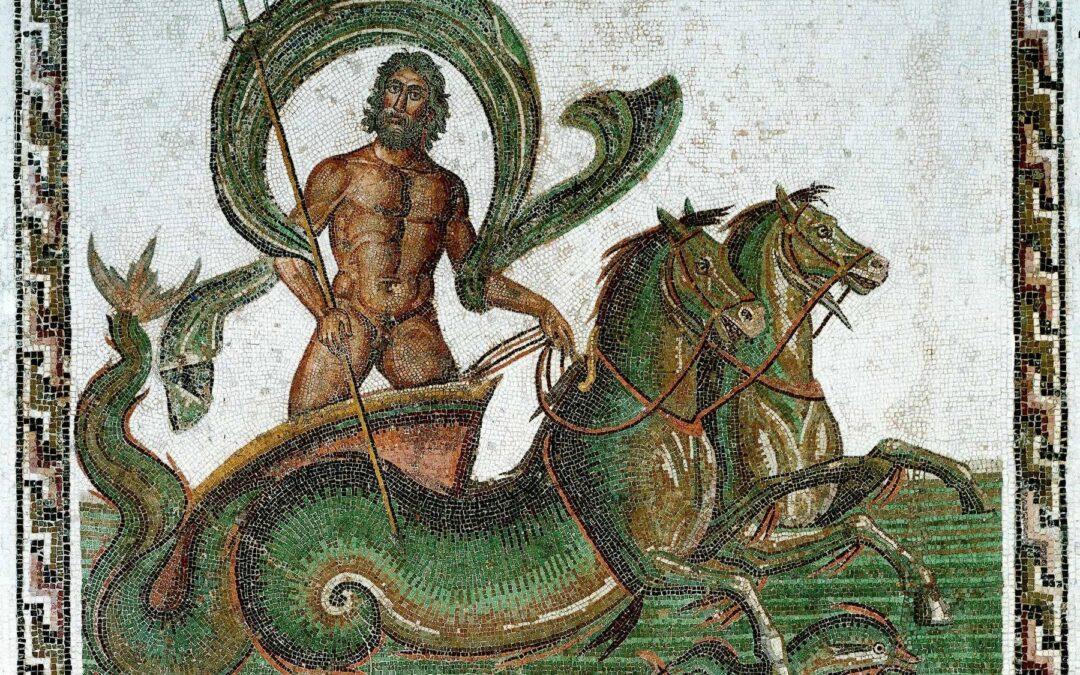
Neptunus: Virgil Aeneid Book 1 Line 118
Neptunus Neptune (latin name Neptunus) appears in the middle of the storm that is causing all the problems for Aeneas and his fleet.Neptunus was the Roman god of waters and seas, who controlled...
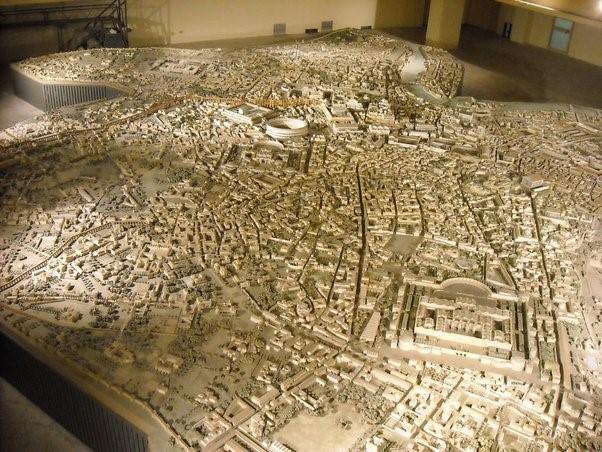
Urbs (in Catilinam 8)
Urbs Cicero asks "in qua urbe vivimus?" - What city are we living in? Urbs actually occurs three times in this passage in the ablative singular and plural cases (urbe, urbis). The Latin word urbs...
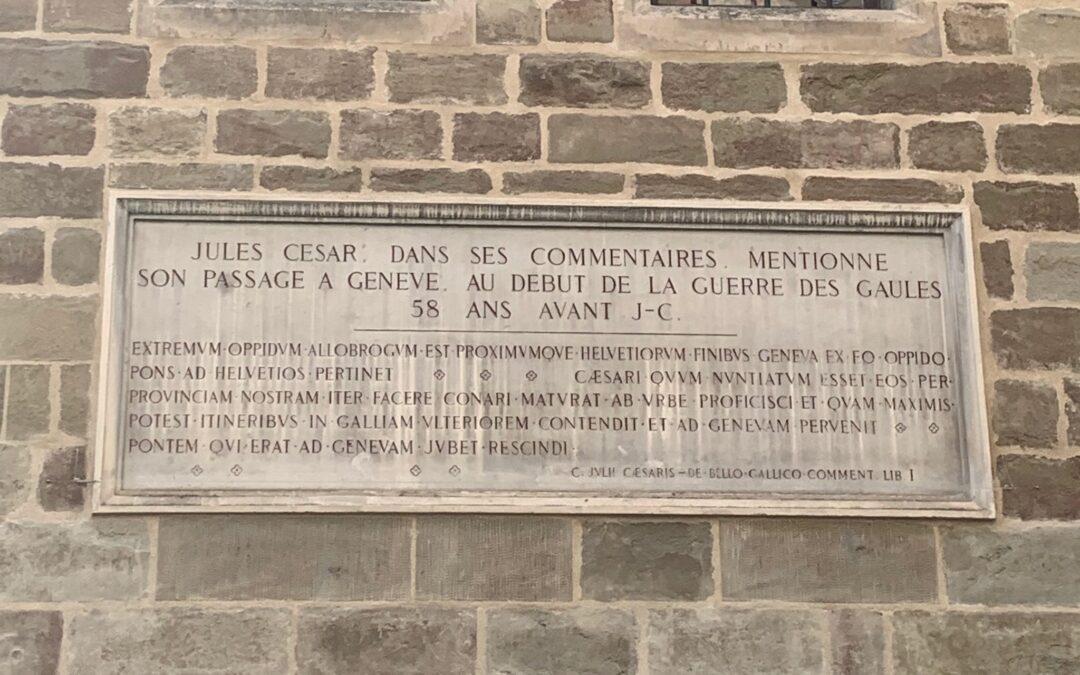
Caesar dBG Bk1 Ch7 pontem iubet rescindi
Pons The bridge (pons) at Geneva was critical for the the Helvetii to cross the Rhine and pass through the Roman provinces on their enforced march to a new land. Caesar recognizes the importance of...
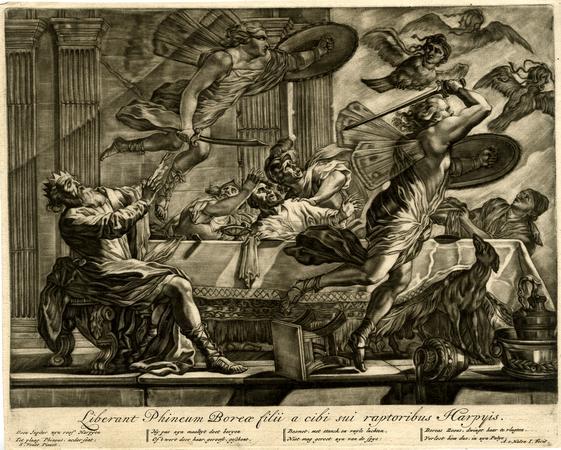
Phineus: Argonauts #8
Phineus Phineus, a significant figure in Greek mythology, is best known for his encounter with the Argonauts during their quest for the Golden Fleece. Phineus was a blind prophet who possessed the...
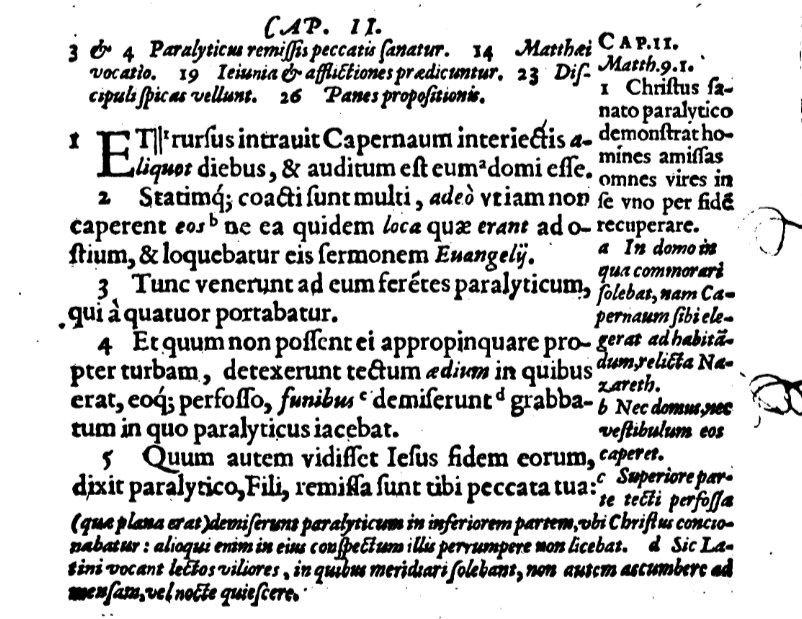
Capernaum – Mark 2 v1-7
Jesus is once more at Capernaum, where we find Him preaching and healing the sick. Jesus appears to have spent more time in Capernaum than any other city during his time on earth. Many of his...
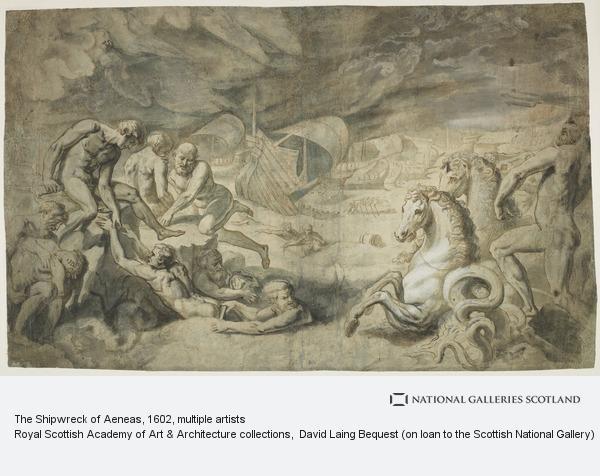
Orontes: Virgil Aeneid Book 1 Line 104
Orontes The first ship to be lost is that of Orontes and his Lycians. The violent storm sent by Aeolous and Juno leads to the shipwreck of many of Aeneas' fleet. According to Leslie S Smith this was...
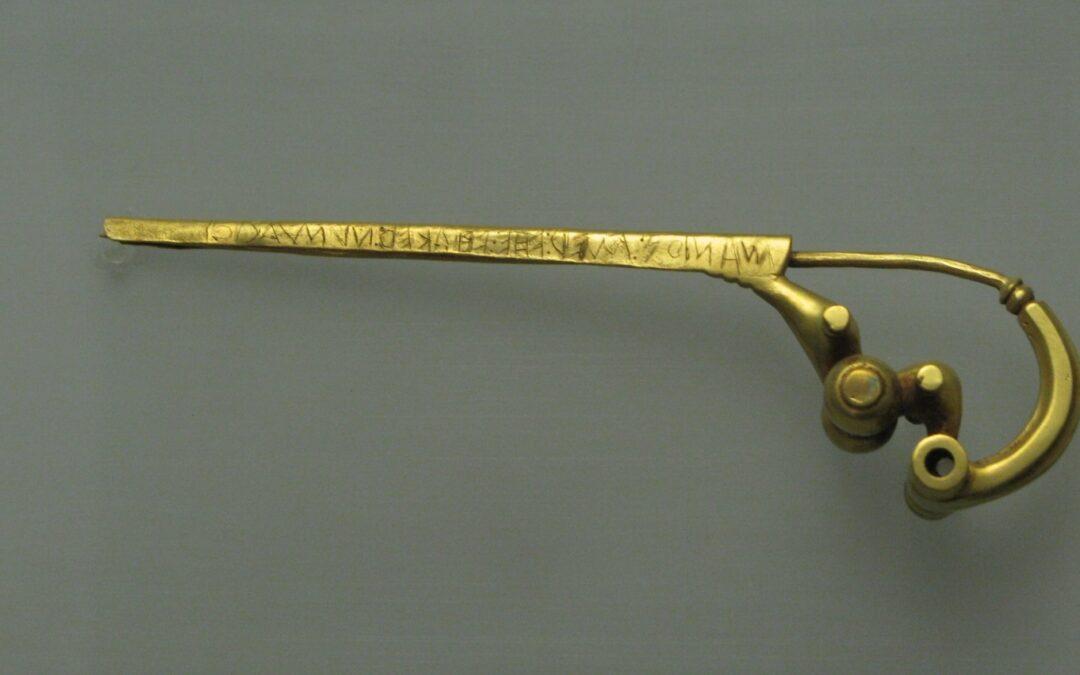
Praeneste (in Catilinam 7)
Praeneste Praeneste - a city not foar from Rome. Cicero continues his speech by gloating about Praeneste. He taunts Catiline with "What? When you made sure that you would be able to seize Praeneste...
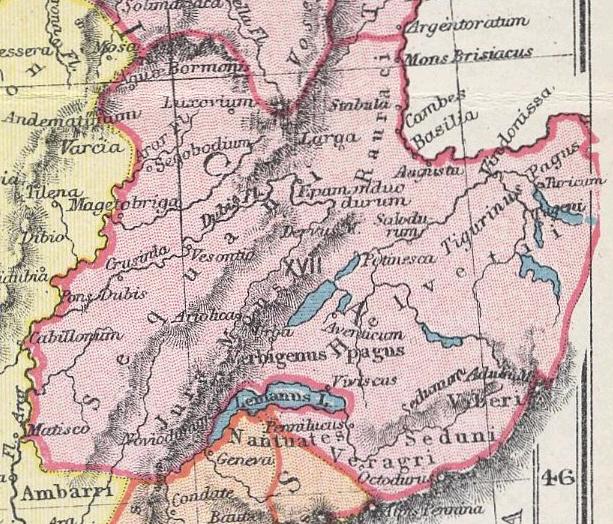
Caesar dBG Bk1 Ch6 inter montem et flumen
inter montem et flumeninter montem Iuram et flumen Rhodanum - The Helvetii are in the process of working out which of the two options they have available to them to take. The first is through the...
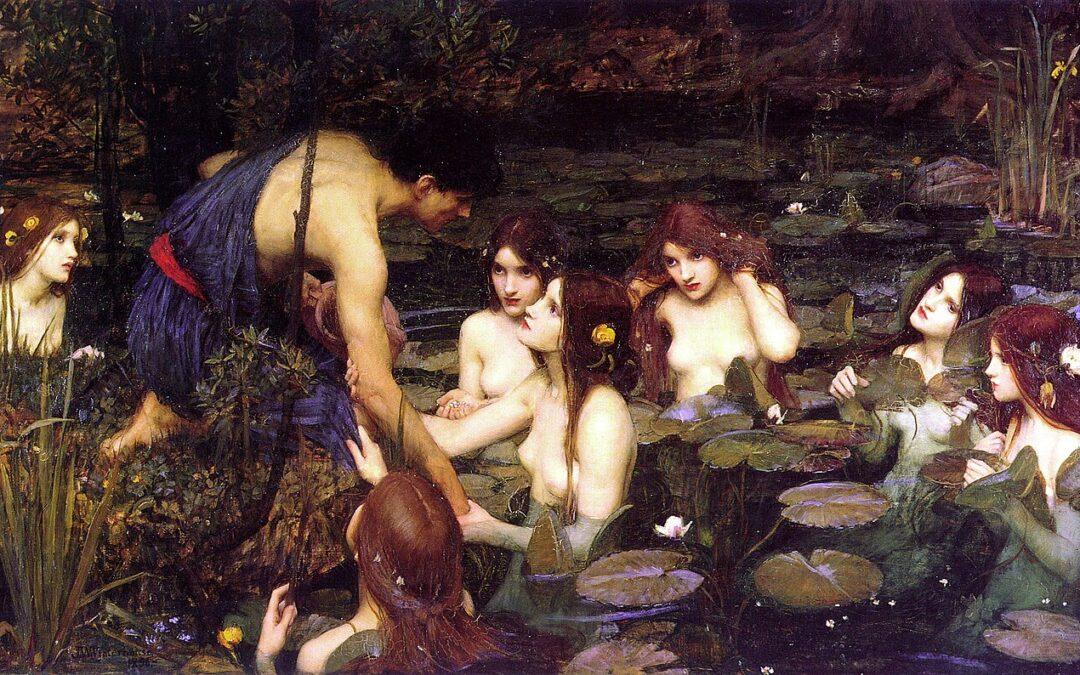
Hylas: Argonauts #7
Hylas Hylas, a handsome youth from Greek mythology, is famously known as the beloved companion of Heracles (Hercules). His story intertwines with the mythical Argonauts' journey in search of the...
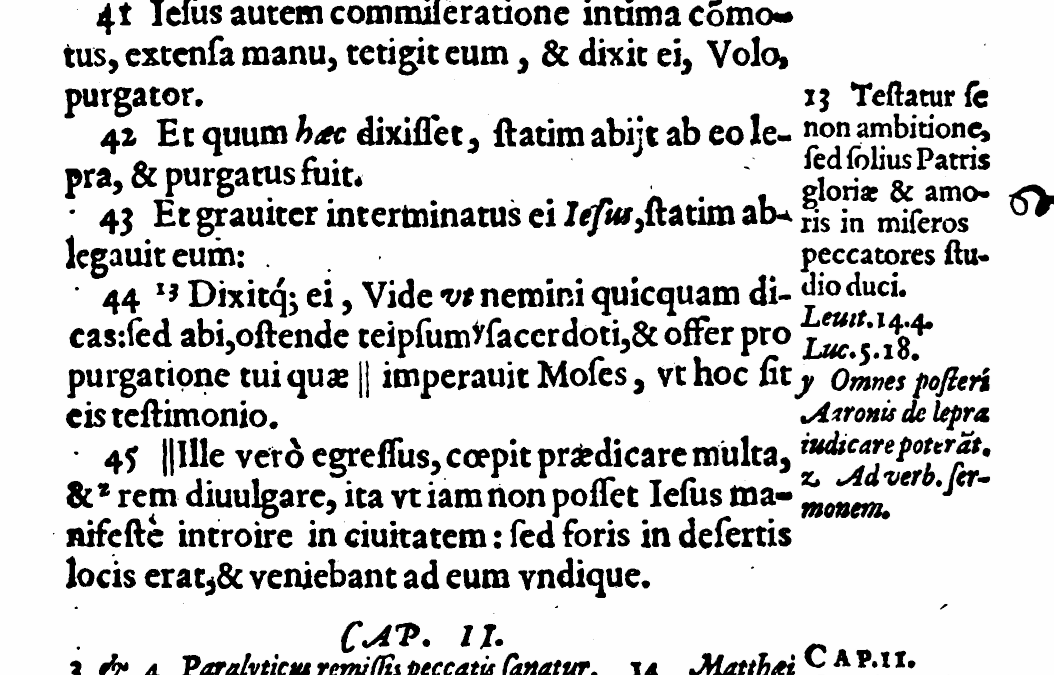
Leper – Mark 1 v39-45
Leper A leper is cured by Jesus in Mark 1:39-45. This passage highlights Jesus’ ministry throughout Galilee, emphasizing His authority over demons and His compassion in healing. A leper is a person...
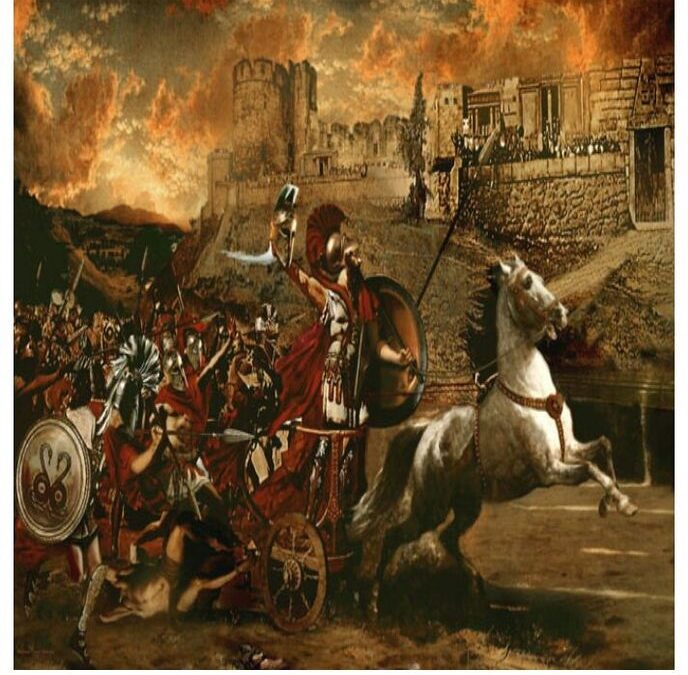
Troy: Virgil Aeneid Book 1 Line 87
Troy Under high Troy town is where Aeneas in his reported speech wishes he had died in battle and glory. Troy was a city in the region of Asia Minor in modern-day Turkey, which was the setting of...
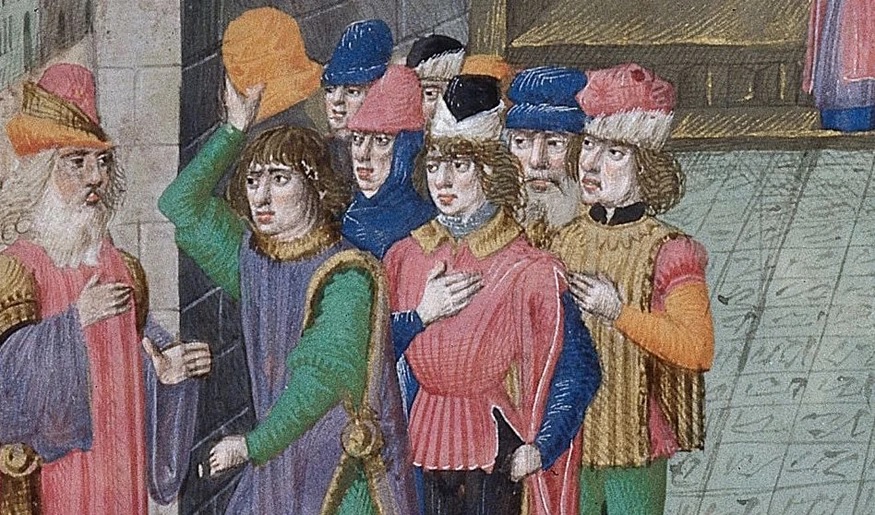
Gaius Manlius (in Catilinam 6)
Gaius Manlius Manlius was a war veteran that fought under Sulla for many years. Cicero names him in this passage as one of Catiline’s main allies. After his years of service, he, like many of...
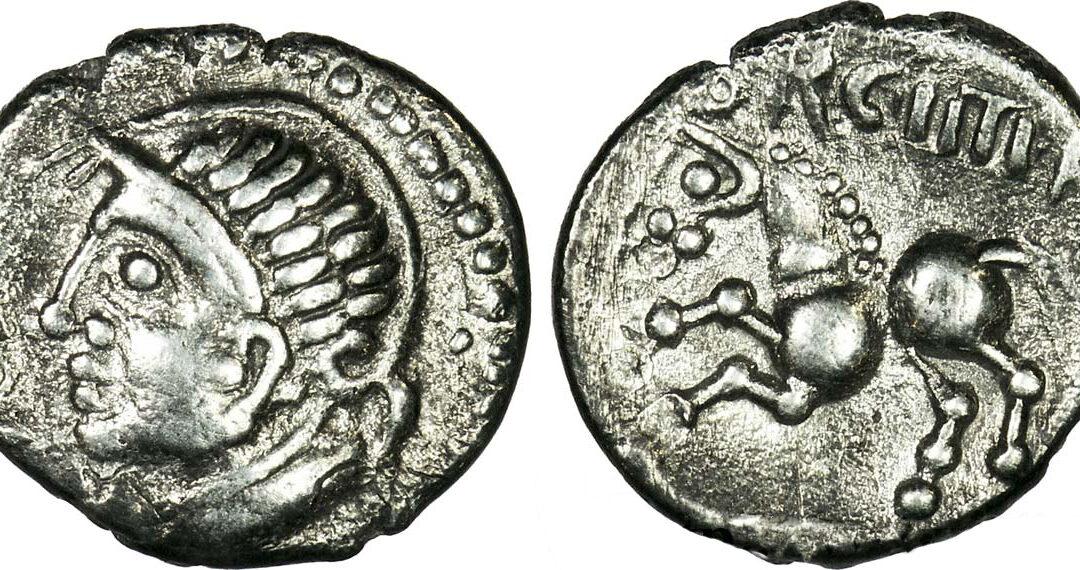
Caesar dBG Bk1 Ch4.3 post eius mortem
post eius mortemIn todays post the Helvetii discover that Orgetorix is dead - possibly from suicide. The Helvetii determine to set off on their expedition into foreign territory and to concentrate...
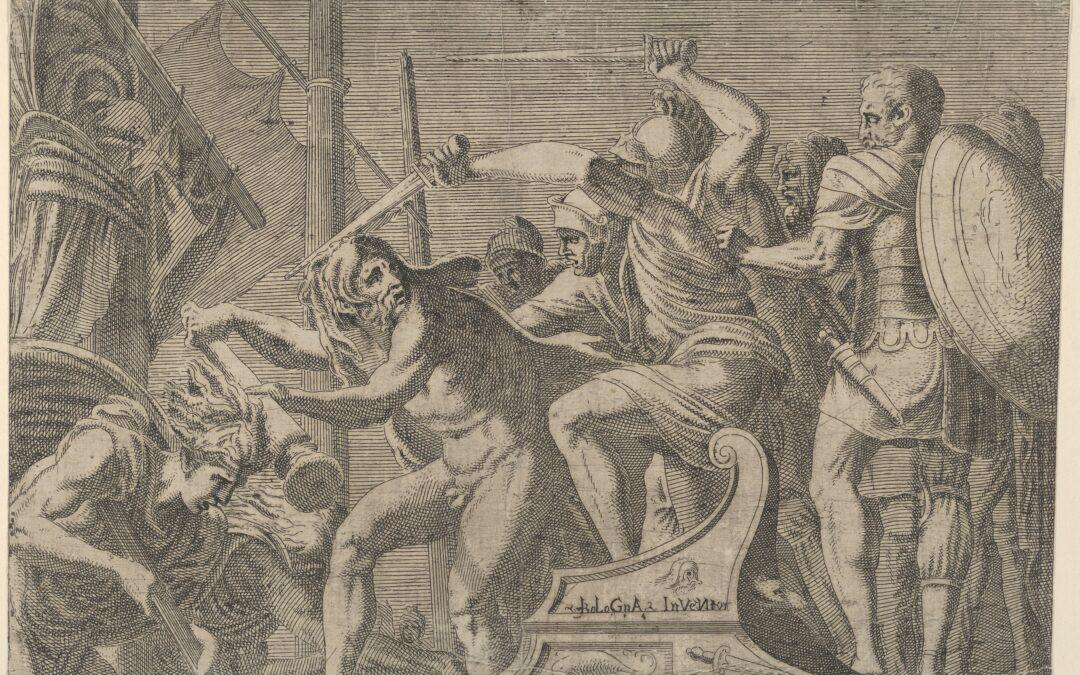
Cyzicus: Argonauts #6
Cyzicus In Greek mythology, Cyzicus was the king of the Dolionians, a people living in the region of Cyzicus in Mysia. He played a tragic role in the journey of the Argonauts. When Jason and the...
socius: in Catilinam (8) Vocab
socius - let's all be friendsThe Latin word socius (genitive soci or socii) holds the meaning of companion, ally, partner, or associate. It is a second-declension masculine noun and occupies a significant role in classical Latin literature,...
provincia: de Bello Gallico Bk 1 Ch 7 Vocab
provincia- this one needs underfloor heatingThe Latin noun provincia refers to a 'province or territory' and is a fundamental term in Roman administration and geography. Derived from the Latin words pro (for) and vincere (to conquer), provincia...
cursus: Argonauts #8 Vocab
cursus - the fast laneThe Latin noun cursus is a fourth-declension masculine noun that broadly signifies course, running, or movement. Its root, derived from the verb currere (to run), reflects ideas of progression, flow, and action. The word is...
iterum: Mark 2 v1-7 Vocab
iterum - here we go again for a second time The Latin adverb iterum is a fascinating word that conveys the sense of repetition or recurrence. Translated into English, it generally means 'again' or 'a second time.' This simple yet powerful word...
frango Aeneid Book 1 Line 104 (Vocab)
The Power of 'frango': Breaking Boundaries in Latinfrango (present infinitive frangere, perfect active fregi, supine fractum); third conjugation Sent by Copilot: In the rich tapestry of Latin, few verbs encapsulate the duality of strength and...
ceterus: in Catilinam (7) Vocab
ceterus - etc. etc.The Latin word ceterus, meaning other, the rest, or remaining, has left a subtle yet significant mark on the English language through its derivatives. ceterus (feminine cetera, neuter ceterum) is a first/second-declension...
iter: de Bello Gallico Bk 1 Ch 6 Vocab
The Latin word iter translates to 'journey or way' and plays a significant role in various Latin texts, from literature to historical accounts. As a third-declension neuter noun, iter has unique forms that distinguish it from other nouns. iter is...
postridie: Argonauts #7 Vocab
postridie - this time tomorrow?The Latin adverb postridie means on the next day or the following day. It is derived from the combination of two elements: posterus, meaning next or following, and diē, the ablative form of diēs (day). Together, these...
statim: Mark 1 v39-45 Vocab
statim - immediately, at onceThe Latin adverb statim means 'immediately' or 'at once,' conveying a sense of urgency or instant action. It was frequently used by classical authors to indicate swift transitions, immediate consequences, or sudden...
autem: Mark 1 v30-38 Vocab
autem - but on the other handThe Latin conjunction autem is a postpositive word, meaning it always appears after the first word of a clause or phrase. It is typically translated as 'however', 'moreover', or 'on the other hand', and plays a crucial...
clamor Aeneid Book 1 Line 87 (Vocab)
clamor m (genitive clamoris); third declension meaning a loud call, a shout or an outcry or protest. Sent by Copilot: In the rich landscape of Latin, the noun clamor (genitive clamoris) stands out as a powerful term that encapsulates the essence of...
mens: in Catilinam (6) Vocab
mens- it's all in your headThe Latin word mens, which translates broadly to mind, intellect, reason, or thought, is a profound and versatile term in classical literature and philosophy. It is a third-declension feminine noun (genitive: mentis) and...
res: de Bello Gallico Bk 1 Ch 4.3 Vocab
res- means many thingsThe Latin noun res is a highly versatile word that translates to 'thing, matter, affair, or event' in English. It is one of the most frequently used nouns in Latin literature and is integral to many idiomatic expressions,...
ita: Argonauts #6 Vocab
ita - so, therefore, in this way - thusThe Latin adverb ita is versatile and commonly used to mean thus, so, or in this way. Its primary function is to indicate manner or degree, and it appears frequently in both prose and poetry. One key use of...
proprius Aeneid Book 1 Line 71 (vocab)
proprius (feminine propria, neuter proprium); first/second-declension adjective Sent by Copilot: In the rich lexicon of Latin, the adjective proprius (feminine propria, neuter proprium) stands out for its multifaceted meanings. This...