
newest posts
CLASSIC TEXTS
VOCAB TEXTS
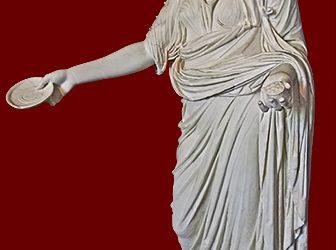
sacerdos: Virgil Aeneid Book 1 Line 272
sacerdos - either male or female In Latin, sacerdos refers to a priest or priestess, a compound of sacer (sacred) and dare (to give)—thus, one who offers sacred things or mediates between the divine and human. It is a gender-inclusive third-declension noun, used for both male and female religious officials, though authors might specify gender as sacerdos vir or sacerdos femina when needed. In Roman culture, the sacerdos held both civic and spiritual authority. Priests were not set apart as a...

quaestio (in Catilinam 17)
quaestio - what do you want to know?In Latin, quaestio primarily means ‘question,’ ‘inquiry,’ or ‘investigation,’ originating from the verb quaerere—‘to seek’ or ‘to ask.’ Its scope extends far beyond casual interrogation, becoming a technical term across grammar, science, philosophy, and law. Fundamentally, quaestio represents the disciplined pursuit of knowledge—a notion central to Roman intellectual culture. Grammatically, quaestio is a feminine noun of the third declension. It is often...
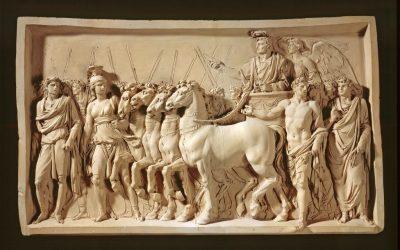
Caesar dBG Bk1 Ch14.3 victoria
Victoria In Latin, victoria means victory, triumph, or conquest, and it holds a central place in Roman cultural, military, and religious life. A first-declension feminine noun, its forms include victoria, victoriae, victoriae, victoriam, victoria, victoriae, victoriarum, victoriis, victorias, victoriis. Derived from the verb vincere (to conquer), victoria represents not just the outcome of battle but the divine favour and moral superiority that Romans believed justified their expansion. In...

Animus: Argonauts #17
animus - it's all in the mindIn Latin, animus is a rich and multifaceted noun meaning 'mind', 'spirit', 'soul', or 'intellect'. It belongs to the second declension and is masculine: animus, animi, animo, animum, animo in the singular; animi, animorum, animis, animos, animis in the plural. Etymologically, animus derives from the Proto-Indo-European root meaning 'to breathe', linking it to the concept of life force or vital energy. It is closely related to anima, which often refers to the breath...
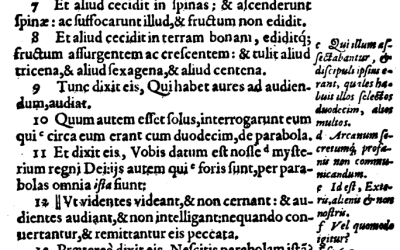
radix: Mark 4 v6-13
radix - the root of all thingsIn Latin, radix means 'root' and serves both literal and metaphorical functions across classical literature. A third-declension feminine noun, its forms include radix, radicis, radici, radicem, radice in the singular and radices, radicum, radicibus, radices, radicibus in the plural. The word derives from Proto-Indo-European wréh₂ds, meaning 'root', and is cognate with Sanskrit vṛ́dhas and Old English wyrt, showing its deep linguistic ancestry. In Roman poetry and...
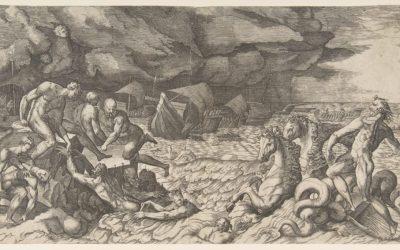
tempestas: Virgil Aeneid Book 1 Line 254
tempestas - in a teacup?In Latin, tempestas primarily means ‘storm’ or ‘weather,’ but its semantic range extends to include ‘season,’ ‘period of time,’ or even metaphorical ‘turmoil.’ As a feminine third-declension noun, tempestas is both a natural and narrative force throughout Roman literature, frequently invoked to signal danger, change, or divine intervention. In Vergil’s Aeneid, tempestas plays a pivotal role. The first book opens with Aeneas caught in a violent storm sent by Juno:...

conscientia (in Catilinam 16)
conscientia - you know it! In classical Latin literature, the term conscientia holds layered significance, ranging from internal moral awareness to shared knowledge or complicity. Derived from con-scire—‘to know with’—it initially signified mutual knowledge between individuals, but evolved to express the inward knowing of right and wrong: conscience. In Cicero's philosophical writings, conscientia often denotes the inner witness to one’s actions. In Pro Milone, he asserts that even a wrongdoer...

Caesar dBG Bk1 Ch13.5 Pater
Pater In Roman classical literature, the concept of 'pater'—Latin for father—embodied far more than biological parenthood. It was a symbol of authority, duty, and moral leadership, deeply woven into the Roman understanding of family, society, and even the cosmos. The paterfamilias, or male head of household, held patria potestas—legal power over his children, wife, slaves, and property. This role was not merely administrative; it was ideological, representing the Roman ideals of auctoritas,...

Lux: Argonauts #16
lux The Latin noun lux (gen. lucis) belongs to the third declension and means ‘light,’ ‘daylight,’ or ‘brightness,’ both in a physical and metaphorical sense. As a fundamental concept in Roman literature, philosophy, and religion, lux is a recurring theme in poetic, rhetorical, and technical texts. In Virgil’s Aeneid, lux often signifies divine favour or destiny illuminating Aeneas’s path (e.g. ‘prima et tellure suo…lux’); Ovid employs it to contrast the harshness of exile with the hope of...
mater: Mark 3 v33-4 v5
mater - motherThe Latin noun mater, meaning 'mother', is a first declension feminine noun with the genitive form matris. Its use spans classical, medieval, and ecclesiastical Latin, often reflecting both biological and symbolic maternal roles. In ecclesiastical Latin, mater gains profound theological and spiritual dimensions, frequently associated with the Virgin Mary, the Church, and divine attributes. One of the most significant ecclesiastical uses of 'mater' is in reference to the Virgin...

tristis: Virgil Aeneid Book 1 Line 238
tristis - it's a sad dayThe Latin adjective tristis, triste (third declension) conveys meanings of 'sad', 'gloomy', 'mournful', or even 'harsh' and 'dreadful'. It carries emotional and atmospheric weight, often used in Classical Latin to describe grief, solemnity, or ominous circumstances. In Virgil’s Aeneid, tristis appears frequently to enhance the epic’s somber tone, reinforcing themes of loss, fate, and inevitable suffering. One of the most striking uses of tristis in the Aeneid is in...

ante (in Catilinam 15)
ante - Let's up it!The Latin preposition ante (meaning 'before' or 'in front of') is fundamental in both spatial and temporal contexts. Derived from an ancient Indo-European root signifying precedence, ante plays a crucial role in Classical Latin prose, particularly in the works of Cicero. In spatial usage, ante governs the accusative case to indicate position or movement. Cicero employs it in legal and rhetorical contexts, often referring to persons standing 'before' a judge or audience. In...
NEW POSTS
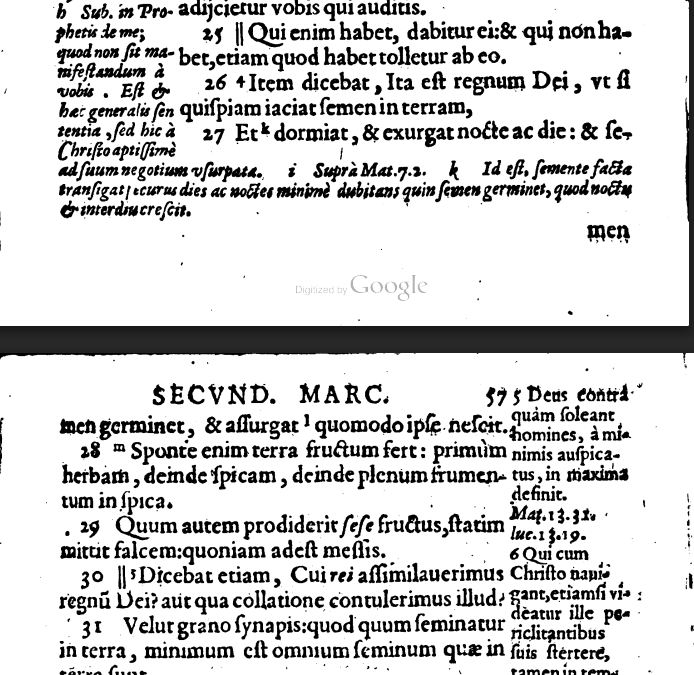
regnum: Mark 3 v24-32
regnum- a spiritual kingdomIn Vulgate Latin, the noun regnum—meaning ‘kingdom,’ ‘reign,’ or ‘rule’—takes on profound theological and eschatological significance, far beyond its classical usage....

nunc: Virgil Aeneid Book 1 Line 220
nunc - now or neverThe Latin adverb nunc, meaning 'now', plays a crucial role in Classical Latin, especially in epic poetry where it marks shifts in time, action, and emotion. Derived from an...

omitto (in Catilinam 14)
omitto The Latin verb omitto, omittere, omisi, omissum is a third-conjugation verb meaning 'to let go', 'to disregard', 'to neglect', or 'to omit'. Its core sense is rooted in the act of releasing...

Caesar dBG Bk1 Ch12.5 Tigurinus
Tigurinus tribe The Tigurinus tribe, a sub-group of the larger Helvetii confederation, occupies a fleeting but critical moment in Julius Caesar's Commentarii de Bello Gallico. Caesar references the...

opus: Argonauts #14
opusThe Latin noun opus, meaning ‘work,’ holds a prominent place in both classical literature and modern vocabulary. A neuter third-declension noun (plural: opera), opus originally referred to any...
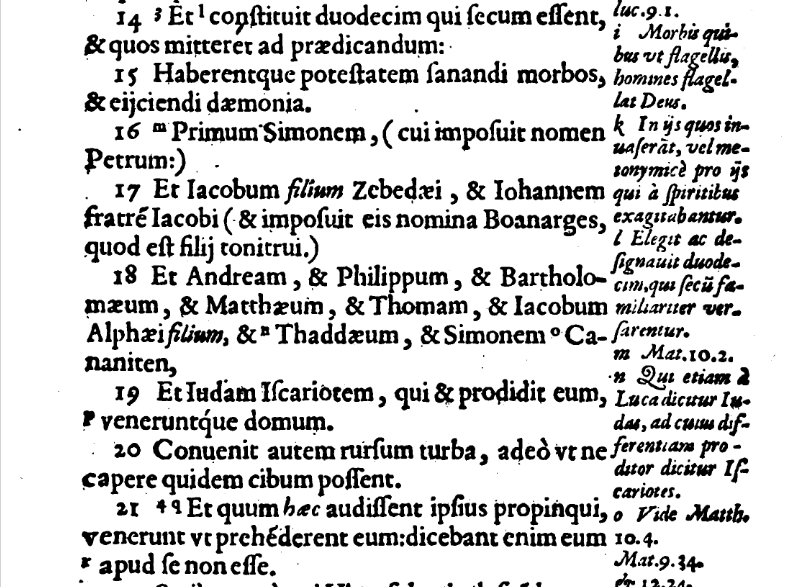
duodecim: Mark 3 v14-23
duodecim - The Twelve Disciples THE beginning of this passage describes the appointment of the twelve apostles. It is an event in our Lord’s earthly ministry, which should always be read with deep...
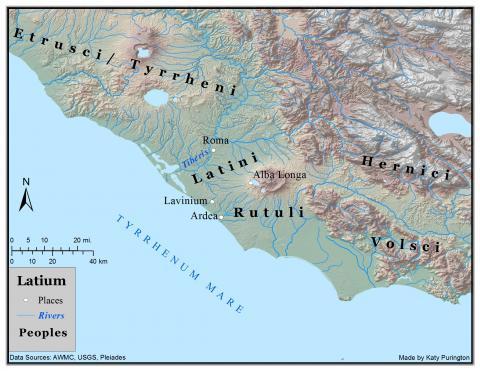
Latium: Virgil Aeneid Book 1 Line 200
Latium Latium, located in central Italy, is a historically and mythologically significant region in Virgil’s Aeneid. Situated south of Etruria and north of Campania, it encompasses a coastal and...
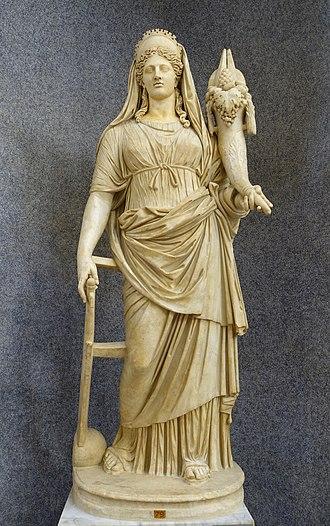
fortuna (in Catilinam 13)
fortuna The Latin word fortuna refers to luck, fate, or chance, and it plays a significant role in Roman thought and literature. It embodies both positive and negative aspects of fortune, reflecting...
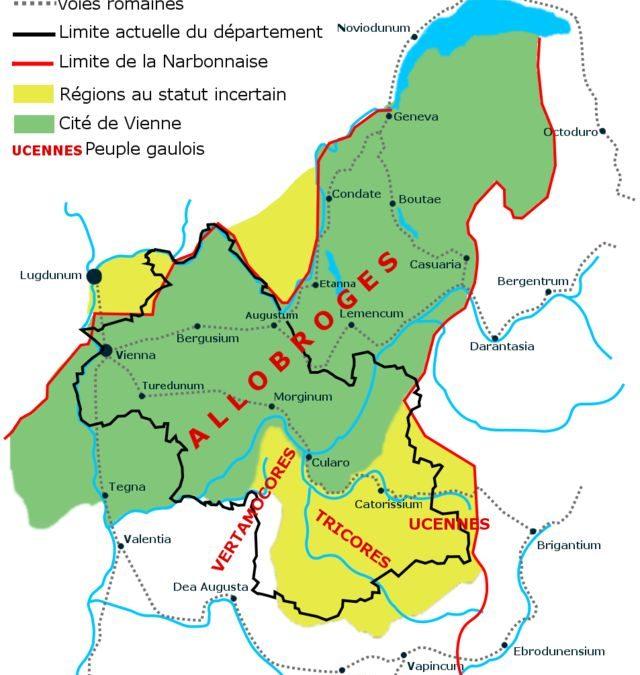
Caesar dBG Bk1 Ch11.3 Allobroges
Allobroges The Allobroges were a Gallic tribe that lived in the Rhône Valley, between the Rhône and Isère rivers, and around present-day Geneva. They were first mentioned in historical records in...
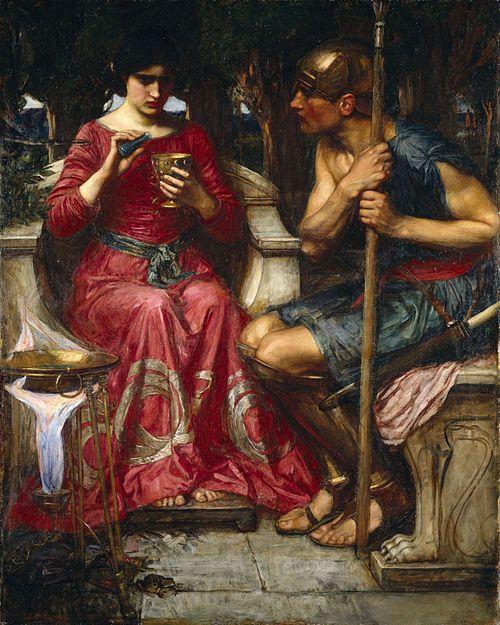
Jason: Argonauts #13
Jason Jason, a prominent figure in Greek mythology, and we have got 12 episodes into our journey withou doing a section of the leader of the Argonauts and the central hero in the quest for the...
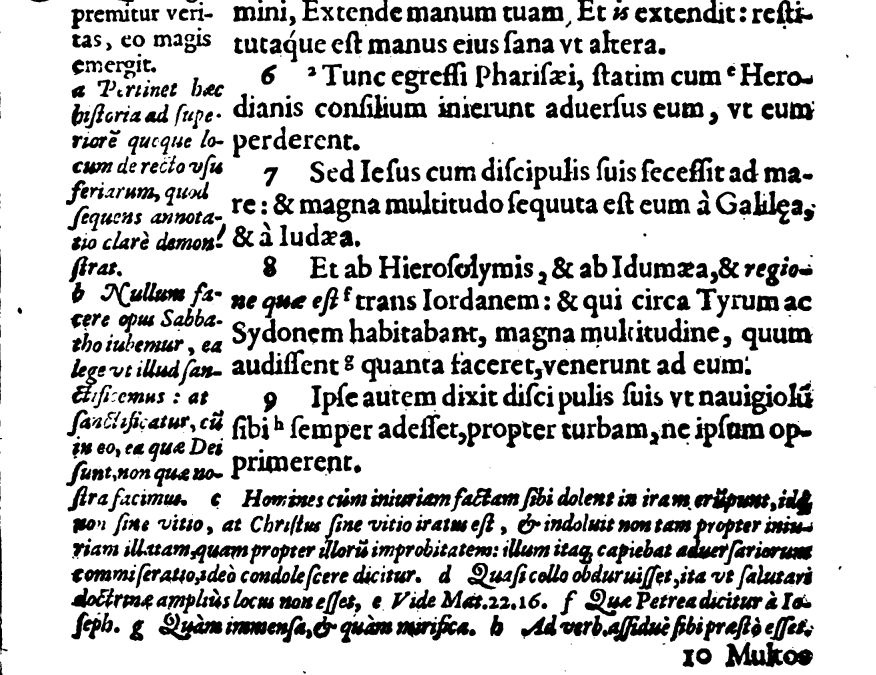
Pharisees – Mark 3 v6-13
Pharisees The passage begins with the Pharisees plotting with the Herodians to kill Jesus after He healed a man with a withered hand on the Sabbath. This act of healing, seen as a violation of...

navis: Virgil Aeneid Book 1 Line 184
navis lusoriaA lusoria (short form of navis lusoria from Latin 'dancing/playful ship', plural naves lusoriae) was a type of small military vessel of the late Roman Empire that served as a troop...
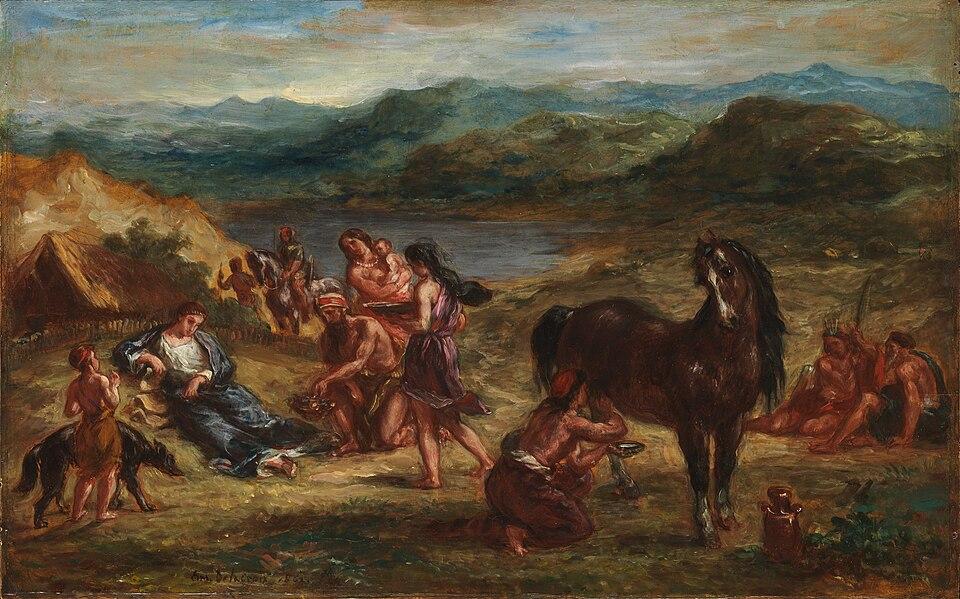
exsilium (in Catilinam 12)
exsiliumThe Roman concept of exsilium referred to exile or banishment, a form of punishment that removed individuals from their homeland, often as an alternative to harsher penalties like execution....
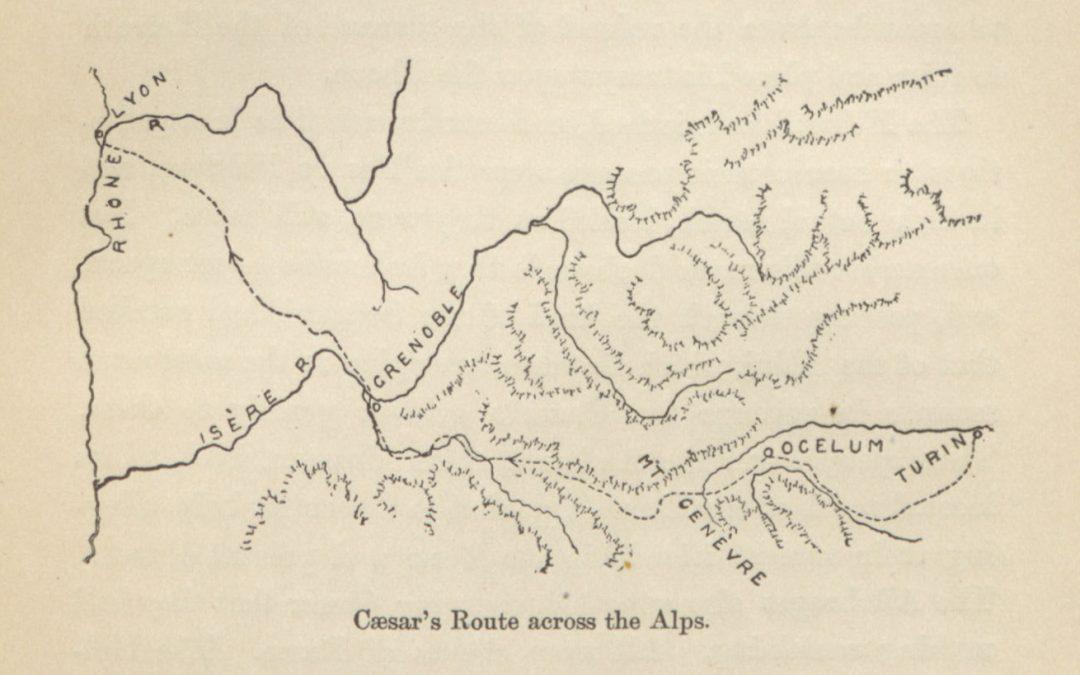
Caesar dBG Bk1 Ch10.4 Ocelum
Ocelum Ocelum was a Roman town located at the frontier of Cisalpine Gaul, marking the boundary between Roman-controlled territory and the independent Alpine tribes. Julius Caesar mentions Ocelum in...
Medea: Argonauts #12
Medea The relationship between Medea and Jason in the myth of the Argonauts is one of passion, betrayal, and tragedy. Their story, deeply embedded in Greek mythology, showcases themes of love,...
obscurus: in Catilinam (14) Vocab
obscurus - hiddenThe Latin adjective 'obscurus' carries the fundamental meaning of 'dark', 'shadowy', or 'unclear'. It derives from the root 'ob-' (toward, against) and 'scurus', related to covering or concealing. In Latin literature, 'obscurus'...
pagus: Caesar dBG Bk1 Ch12.5 Vocab
pagus - nothing to do with a pageThe Latin term pagus (plural pagi) originally referred to a rural district or canton within a larger tribe or territory. Rooted in the same etymological family as pango ('to fix, to fasten'), it suggests a 'fixed...
totus: Argonauts #14 Vocab
totus - in its entiretyThe Latin adjective totus, meaning ‘whole’ or ‘entire,’ is a powerful and frequently used word in classical texts. Grammatically, totus is a first/second-declension adjective, though it exhibits pronominal declension...
ut: Mark 3 v14-23 Vocab
ut - small word - big jobThe Latin word ut is remarkably versatile, serving a range of grammatical and stylistic functions in both Classical and Vulgate Latin. Its meaning and use depend heavily on context, and it often introduces subordinate...
penitus: Virgil Aeneid Book 1 Line 200 (Vocab)
penitus - are you from within?The Latin adverb penitus carries a range of meanings related to depth, thoroughness, and internality. It is derived from the root of penus (meaning provisions or food storage) and is closely linked to the idea of...
praetermitto: in Catilinam (13) Vocab
praetermitto - let go of the past The Latin verb praetermitto (praetermittere, praetermisi, praetermissum) is a third-conjugation verb meaning ‘to allow to pass,’ ‘to omit,’ ‘to neglect,’ or ‘to overlook’. It is formed from the prefix praeter-,...
item: Caesar dBG Bk1 Ch11.3 Vocab
item - when is an item not an item?The Latin adverb item means ‘likewise’ or ‘in the same manner.’ It originates from ita (‘thus’) and was commonly used in classical Latin to indicate repetition or continuity in a statement. Writers such as Cicero...
ingens: Argonauts #13 Vocab
ingens - it's hugeingens a Latin adjective (genitive ingentis) means ‘huge,’ ‘vast,’ or ‘enormous.’ It is a third-declension adjective frequently used in classical Latin literature to describe immense size, extraordinary power, or overwhelming...
adversus: Mark 3 v6-13 Vocab
adversus - confrontationThe Latin word adversus carries meanings of opposition, confrontation, and directionality, making it a significant term in both classical Latin literature and Vulgate writings. Classical Latin Usage In classical Latin,...
longus: Virgil Aeneid Book 1 Line 184 (Vocab)
longus - are you here for long?The Latin adjective longus means ‘long’ in English and carries a range of meanings related to physical length, duration, and extent. Derived from Proto-Italic longos and ultimately from Proto-Indo-European dlongʰos,...
iubeo: in Catilinam (12) Vocab
iubeo - Can I order? The Latin verb iubeo, iubere, iussi, iussum means ‘to order,’ ‘to command,’ or ‘to bid.’ It is a second-conjugation verb frequently used in classical texts to express authority, instruction, or permission. Its usage varies...
ibi: Caesar dBG Bk1 Ch10.4 Vocab
ibi - there in that place or then, thereupon The Latin adverb ibi, meaning ‘there’ or ‘in that place,’ evolved in usage over time, adapting to different linguistic contexts and influencing Romance languages. In Classical Latin, ibi was primarily...
Rex: Argonauts #12 Vocab
rex - no more kingsThe Latin word rex means ‘king’ and was a title used in early Roman history before the establishment of the Republic. However, the Romans developed a deep aversion to monarchy, leading to the abolition of kingship and the...
domus: Mark 2 v26-3 v5 Vocab
domus - a house no matter the delensionThe Latin noun domus (house, home) is unique in its declension, as it exhibits forms from both the second and fourth declensions. This variability makes it one of the most distinctive nouns in Latin grammar....
frons: Virgil Aeneid Book 1 Line 166 (Vocab)
frons - a forehead or a leaf?The Latin noun frons has two distinct meanings, each with its own etymology and usage in classical literature. The first, frons, frontis, refers to the forehead or front of something, while the second, frons, frondis,...