
newest posts
CLASSIC TEXTS
VOCAB TEXTS
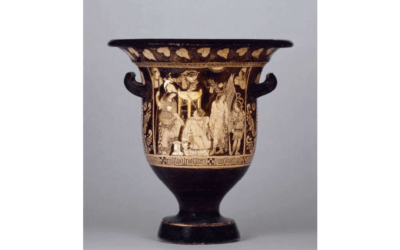
di immortales (in Catilinam 10)
di immortales The di immortales (immortal gods) are frequently referred to in literature of this period. Cicero in particular had an interest in the gods and wrote a few books on the subject. Works like de Natura Deorum (on the Nature of the Gods) and de Divinatione (on Divination). “Cicero says that almost no philosophers held atheism or agnosticism. For him the Central Question of philosophy of religion is not the existence of the gods, but whether the gods (di immortales) care for us by...
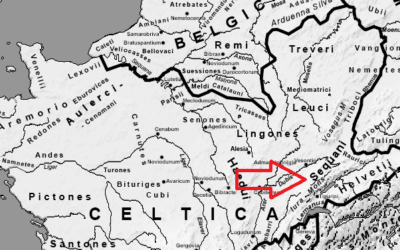
Caesar dBG Bk1 Ch8.4 una per Sequanos via
Sequani Before the arrival of Julius Caesar in Gaul, the Sequani had taken the side of the Arverni against their rivals the Aedui and hired the Suebi under Ariovistus to cross the Rhine and help them (71 BC). Although his assistance enabled them to defeat the Aedui, the Sequani were worse off than before, for Ariovistus deprived them of a third of their territory and threatened to take another third, while subjugating them into semi-slavery. The Sequani then appealed to Caesar, who drove back...
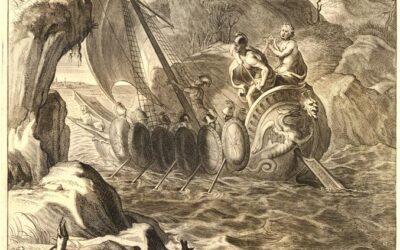
Symplegades: Argonauts #10
Symplegades The Symplegades, also known as the Clashing Rocks, present one of the most daunting challenges faced by the Argonauts in their quest for the Golden Fleece. These massive rocks at the Bosporus Strait would violently collide, crushing anything caught in between. To safely navigate this deadly passage, the Argonauts sought the advice of Phineus, the blind prophet. Phineus advised Jason and his crew to release a dove before attempting to sail through the rocks. The idea was simple: if...
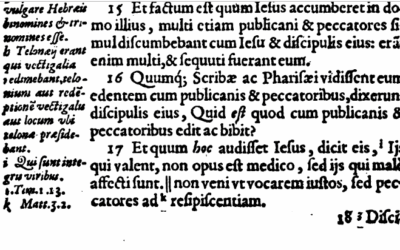
Levi – Mark 2 v15-19
Levi Levi, at the beginning of this passage (in the King James Bible), is the same person who is called Matthew in the first of the four New Testament gospels. In fact Levi (Matthew) wrote the first New Testament gospel. Let us not forget that it is no less than an apostle and an evangelist, whose early history is now before our eyes. We learn from these verses the power of Christ to call men out from the world, and make them His disciples like Matthew. We read that he said to Levi, when...
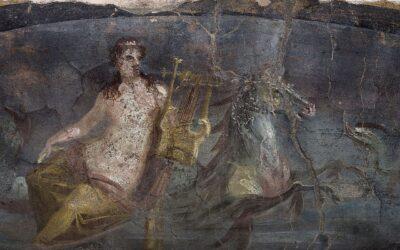
Nereids: Virgil Aeneid Book 1 Line 135
Nereids In Greek mythology, the Nereids or Nereides are sea nymphs (female spirits of sea waters), the 50 daughters of the 'Old Man of the Sea' Nereus and the Oceanid Doris, sisters to their brother Nerites. They often accompany Poseidon, the god of the sea, and can be friendly and helpful to sailors (such as the Argonauts in their search for the Golden Fleece). In today's post Nepune continues his rebuking of the east and west winds. He eases the storm that has afflicted Aeneas and with the...
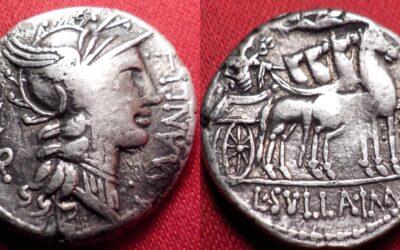
Lucius Manlius Torquatus (in Catilinam 9)
Lucius Manlius Torquatus This is the Manlius referred to in Chapter 5 where he says nimium diu te imperatorem tua illa Manliana castra desiderant - “That Manlian camp of yours has been waiting too long for you as its general.” In fact there is a whole line of Lucius Manlius Torquatus’ stretching back in Roman history who all belonged to the patrician Manlia gens, one of the oldest Roman houses. His father, confusingly, has the same name and was a consul of the Roman Republic in 65 BC, elected...

Caesar dBG Bk1 Ch7.5 murum in altitudinem
Murus Caesar builds a murus (a wall), with the legion which he had with him and the soldiers which he had assembled from the Province (in the last post). He builds this earth and turf wall for nineteen miles (about 18 Imperial miles or 29 kilometres) and not only that it is built 16 feet (over 5 metres) high. This is achieved by digging a ditch 8 feet deep and piling it up 8 feet high on one of the sides. If you remember from earlier, the Helvetii were aiming to set out on the 28th of March...
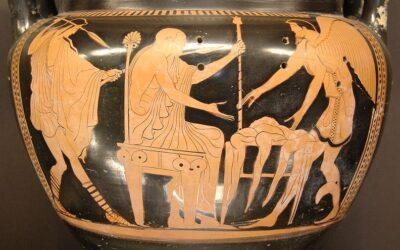
Harpies: Argonauts #9
Harpies In the myth of the Argonauts, the Harpies are vicious winged spirits known for their relentless torment of the blind prophet Phineus. Sent by the gods as punishment for Phineus’s misuse of his prophetic gifts, these creatures would swoop down, stealing or defiling his food, leaving him perpetually starving. When Jason and his crew arrived, the Boreads—Calais and Zetes—chased the Harpies away, either killing them or forcing them to retreat at the goddess Iris’s behest. This victory...
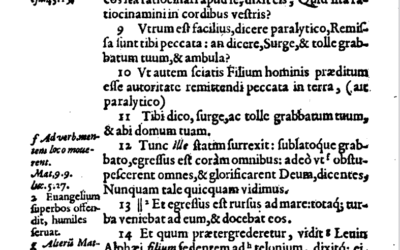
Power – Mark 2 v8-14
Power The power to forgive sins is demonstrated when read that our Lord said to the sick of the palsy, "Son, thy sins be forgiven thee." He said these words with a meaning. He knew the hearts of the Scribes by whom He was surrounded. He intended to show them that "the Son of man hath power on earth to forgive sins." Let us consider how great must be the authority of Him, who has the power to forgive sins! This is the thing that none can do but God. No angel in heaven, no man upon earth, no...
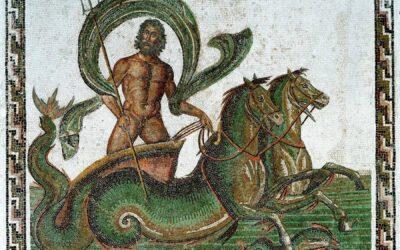
Neptunus: Virgil Aeneid Book 1 Line 118
Neptunus Neptune (latin name Neptunus) appears in the middle of the storm that is causing all the problems for Aeneas and his fleet.Neptunus was the Roman god of waters and seas, who controlled winds and storms. Also known as Neptunus Equester, he was recognized as a god of horses and horsemanship, as well as patron of horse racing, a popular form of entertainment for the ancient Romans. In terms of his characteristics and mythology, Neptune was an exact copy of the Greek deity Poseidon....
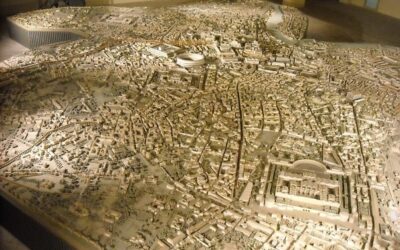
Urbs (in Catilinam 8)
Urbs Cicero asks "in qua urbe vivimus?" - What city are we living in? Urbs actually occurs three times in this passage in the ablative singular and plural cases (urbe, urbis). The Latin word urbs (genitive: urbis), meaning city, is a third-declension feminine noun with profound significance in classical literature. Like all third declension nouns it can be difficult to know the gender of urbs, however if you look closely you will see that it is in qua urbe - qua lets you know that it is...
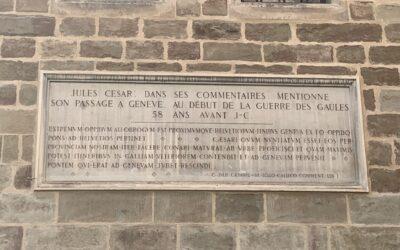
Caesar dBG Bk1 Ch7 pontem iubet rescindi
Pons The bridge (pons) at Geneva was critical for the the Helvetii to cross the Rhine and pass through the Roman provinces on their enforced march to a new land. Caesar recognizes the importance of the bridge and in today's post he makes speed for Geneva and recruits as many soldiers as possible to dismantle the bridge.pons m, (genitive pontis) - a bridgeTodays word is pons - a third declension masculine noun. In our story it is remarkable to think of how relatively easily the Romans seem to...
NEW POSTS
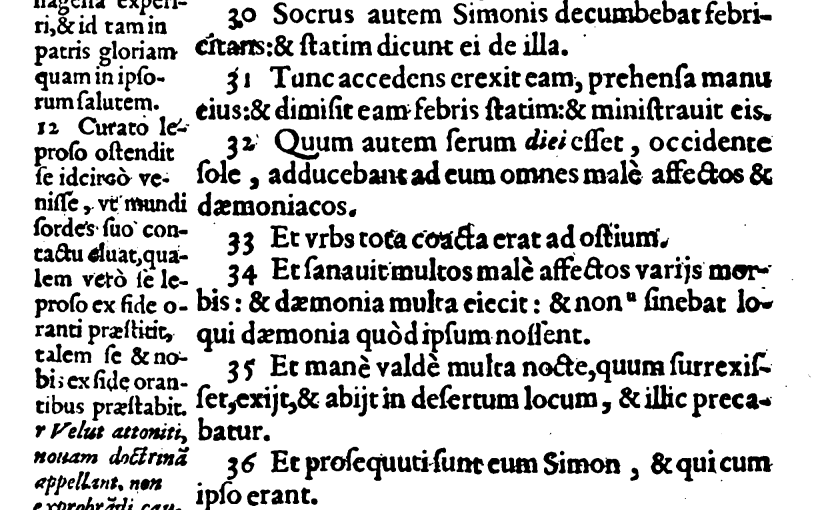
Healing – Mark 1 v30-38
Healing Power Jesus’ healing power highlights Mark 1:30-38 and His commitment to spreading His message beyond a single location. The passage begins with Jesus visiting Simon Peter’s house, where He...
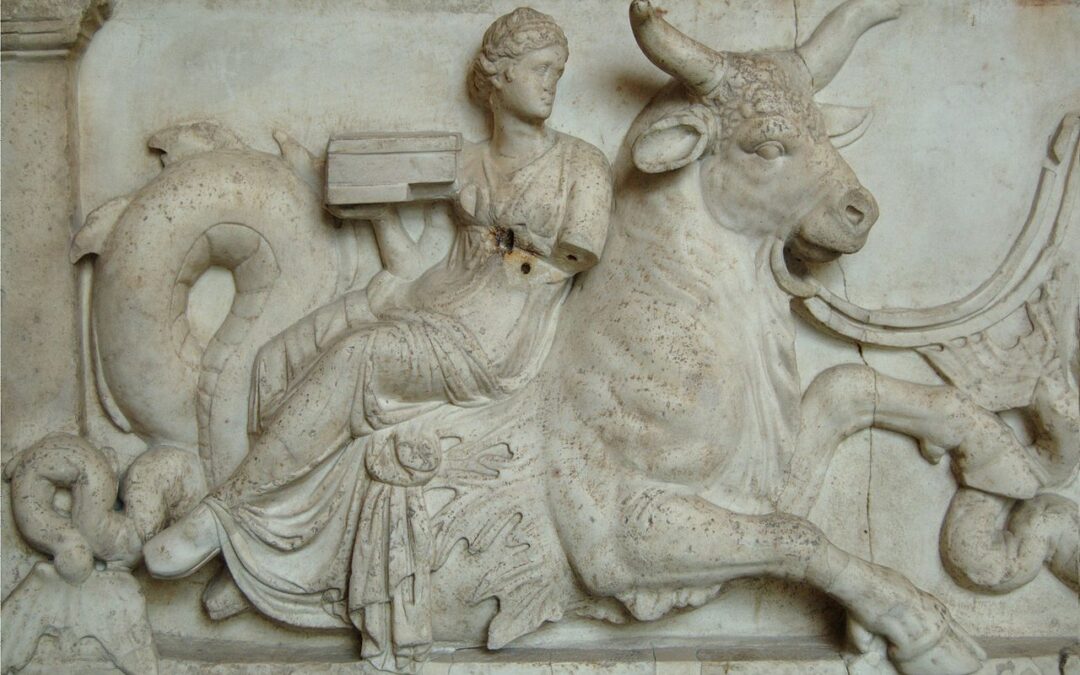
Deiopea: Virgil Aeneid Book 1 Line 71
Juno and Aeolus: The Marriage Proposal of Deiopea In Vergil’s Aeneid, the discussion between Juno and Aeolus regarding the nymph Deiopea is a fascinating exploration of beauty, power, and divine...
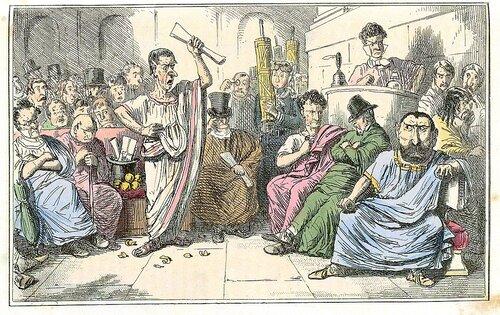
tam improbus (in Catilinam 5)
tam improbus, tam perditus, tam tui similis Towards the end of section 5 near the beginning of today's post this little phrase appears: cum iam nemo tam improbus, tam perditus, tam tui similis and...
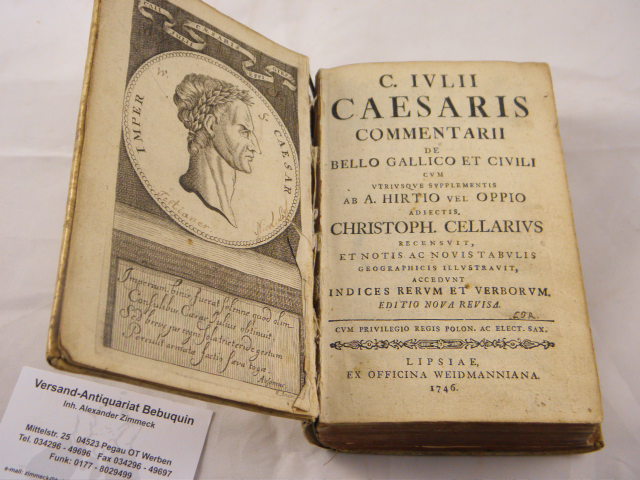
Caesar dBG Bk1 Ch3.5 Orgetorix undique coegit
Orgetorix undique coegit In today's post the Helvetii compel (Latin uses a form of the verb cogo) Orgetorix to plead his cause in chains. He finds himself in a bit of a situation when his scheme was...
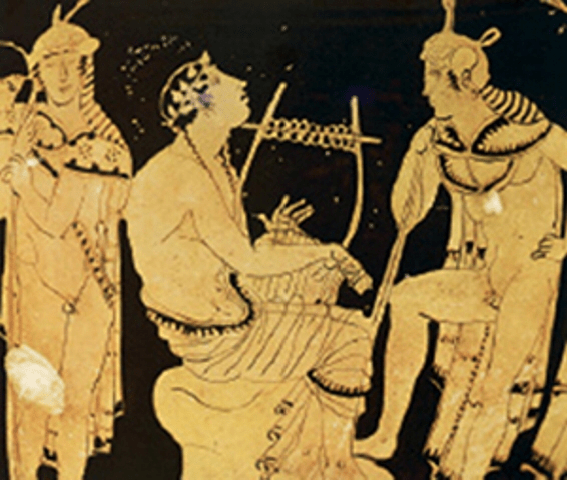
Orpheus: Argonauts #5
Orpheus Orpheus, the legendary musician, was a vital member of the Argonauts. His inclusion in the crew of the Argo was not merely for his musical talents, but also for his ability to influence the...
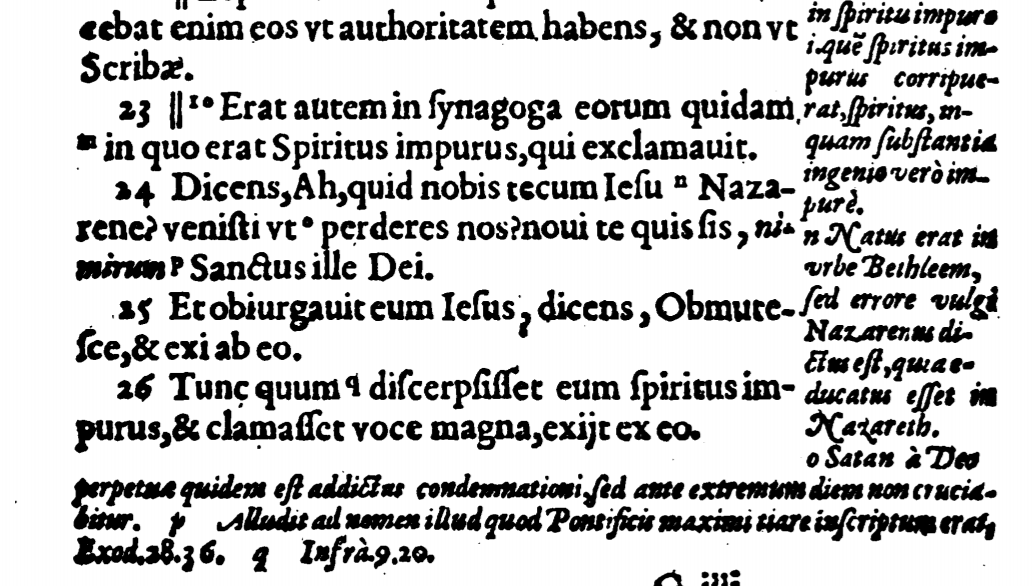
Unclean Spirits – Mark 1 v23-29
Unclean spirits Unclean spirits and His power and authority over them is a theme of Mark 1:23-29 and highlights Jesus' authority over them and his ability to heal. While teaching in the synagogue at...

Aeolus: Virgil Aeneid Book 1 Line 55
Aeolus: Keeper of the Winds Aeolus, the divine keeper of the winds, holds a significant place in mythology as the king of the floating island of Aeolia. This enchanting isle serves as a fortress for...

Senatus Consultum Optimum (in Catilinam 4)
senatus consultum ultimum - senatus consultum optimum or 'final decree of the Senate' is the modern term given to a decree of the Roman Senate during the late Roman Republic that was passed in times...
Caesar dBG Bk1 Ch3 sementes quam maximas facere
sementes quam maximas facere Orgetorix is charged with organising, quam maximas, the gathering of supplies and transport for the mass exodus of the Helvetii from their own territory within two...
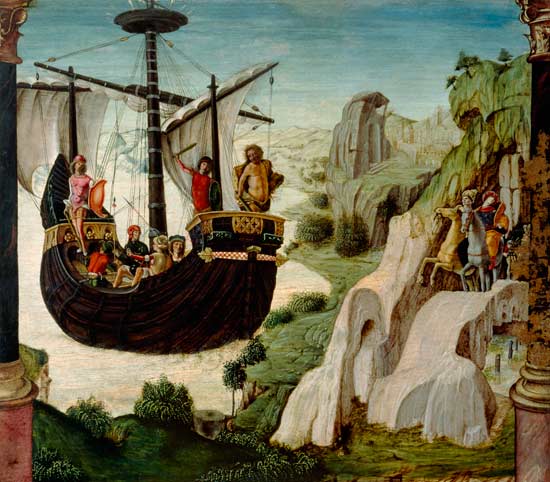
Argo: Argonauts #4
The Argo The Argo, Jason's legendary ship, is a marvel of ancient Greek mythology. Built by the master shipbuilder Argus, the Argo was named in his honor. With divine assistance from the goddess...
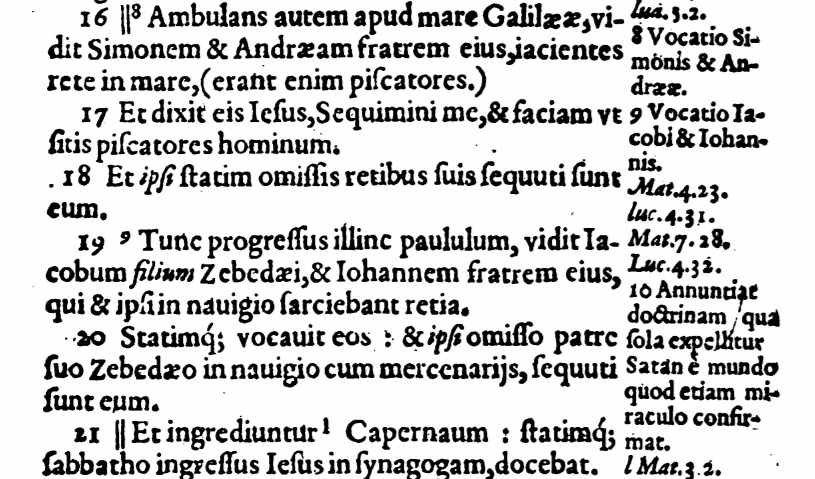
Fishers of Men – Mark 1 v16-22
Fishers of Men Mark 1:16-22 describes the calling of Jesus' first disciples and the beginning of His authoritative teaching. As Jesus walks along the Sea of Galilee, He sees Simon (Peter) and his...
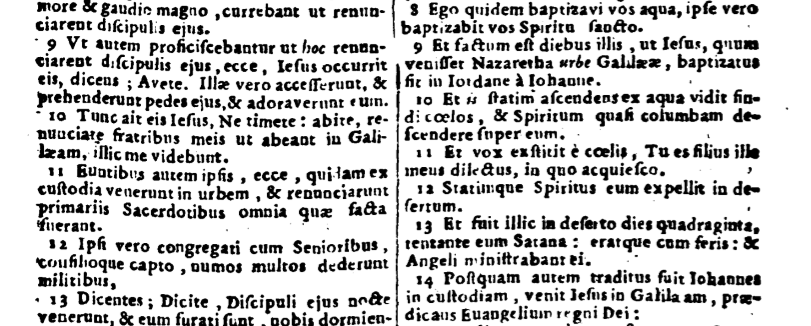
Baptism – Mark 1 v8-15
Baptism The significance of baptism and the arrival of God’s kingdom is emphasized in Mark 1:8-15 where it highlights the transition from John the Baptist’s ministry to Jesus’ public mission. John...
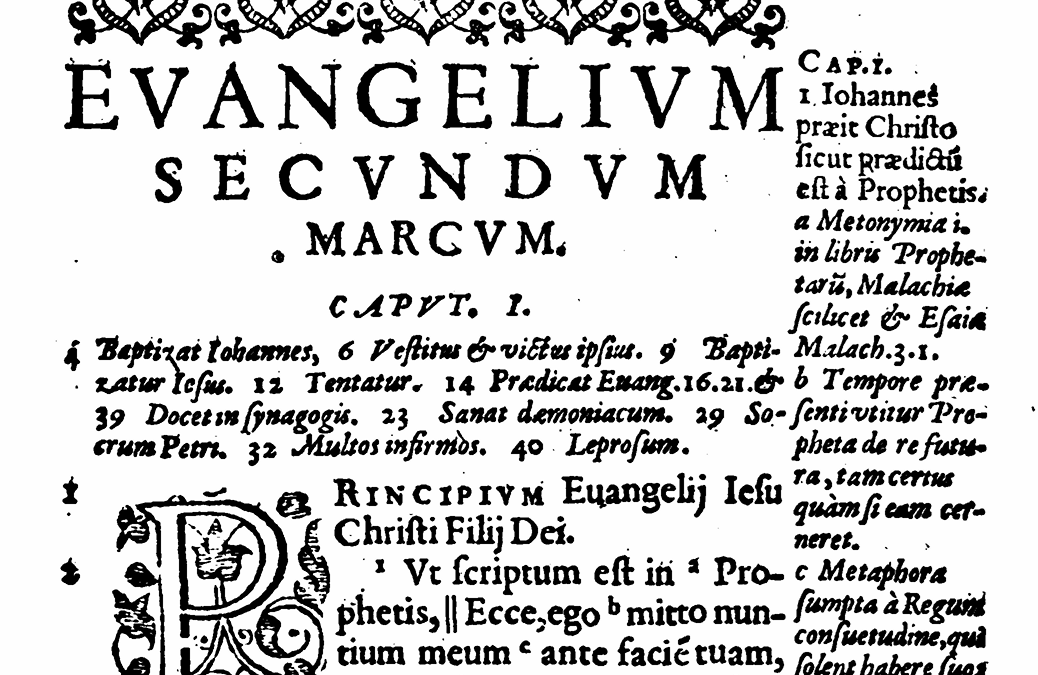
Good News – Mark 1 v1-7
Good News The good news of Mark 1:1-7 introduces the beginning of Jesus' ministry. The passage opens with the declaration: "The beginning of the good news of Jesus Christ, the Son of God." This sets...
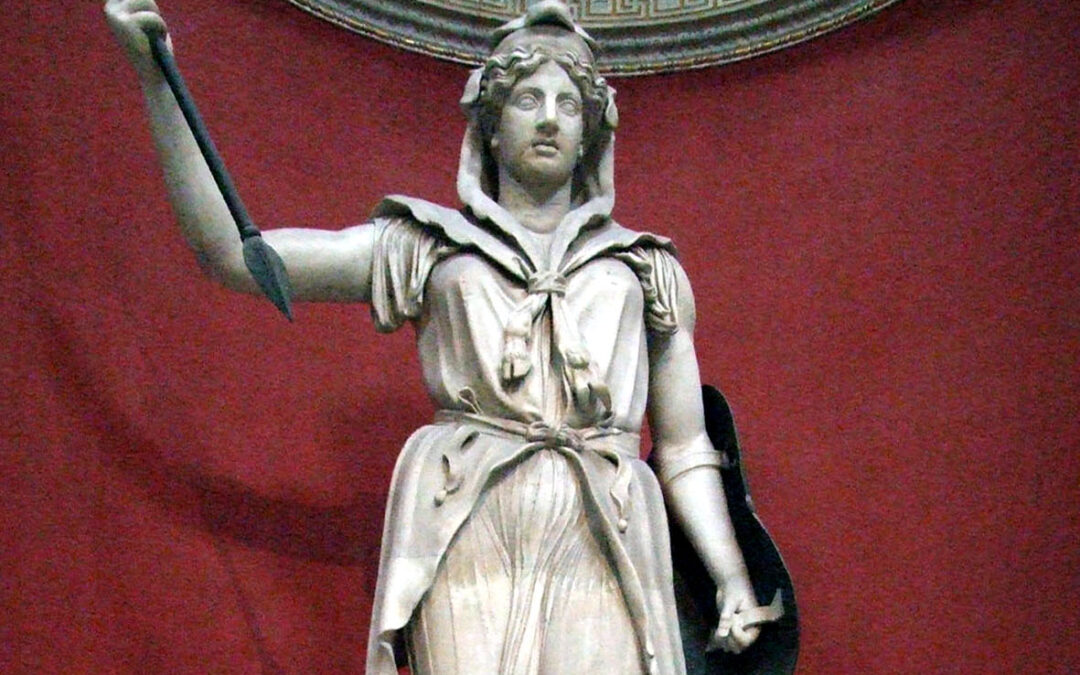
Juno: Virgil Aeneid Book 1 Line 39
The Significance of Juno in Roman Mythology Juno, the daughter of Saturn, is a pivotal figure in Roman mythology, revered as the queen of the gods and the female counterpart to Jupiter. Her role...

Paris: Virgil Aeneid Book 1 Line 19
Paris and Juno’s Grudge: The Judgement of Paris The tale of the Judgement of Paris is a fascinating episode in Greek mythology that highlights themes of beauty, rivalry, and the far-reaching...
ego: in Catilinam (5) Vocab
ego - and the superego?The Latin pronoun ego is a foundational element of the language, meaning I or me. It is the first person singular pronoun and is essential for expressing personal actions, thoughts, and experiences. Its significance extends...
facio: de Bello Gallico Bk 1 Ch 3.5 Vocab
facio - a frequently used Latin verbThe Latin verb facio means 'to make or to do,' and it is one of the most essential and versatile verbs in the Latin language. This verb is irregular and belongs to the third conjugation, with its principal parts...
interea: Argonauts #5 Vocab
interea - meanwhile...The Latin adverb interea translates to meanwhile, in the meantime, or at the same time in English. It is derived from the combination of inter, meaning between or among, and ea, a demonstrative pronoun roughly corresponding to...
spiritus: Mark 1 v23-29 Vocab
spiritus - the breath of the Holy SpiritThe Latin word spiritus carries profound meanings, with its primary sense being ‘breath,’ ‘spirit,’ or ‘soul.’ Derived from spirare (‘to breathe’), spiritus signifies the life-giving force essential to...
puppis Aeneid Book 1 Line 55 (Vocab)
Understanding puppis: The Synecdoche of Ship AnatomySent by Copilot: The Latin word puppis refers specifically to the back of a ship, but it can also serve as a noun for the entire vessel. This usage exemplifies a figure of speech known...
habeo: in Catilinam (4) Vocab
habeo- has a bucket load of meaningsThe Latin verb habeo is a versatile and widely used verb that primarily means to have or to hold. However, its meanings extend beyond mere possession, encompassing a range of uses in various contexts. Let's...
auctoritas: Caesar de Bello Gallico Bk 1 Ch 3 Vocab
auctoritas - credibility, authority and many other conceptsThe Latin noun auctoritas translates to 'authority or influence' in English and holds significant cultural and political weight in Roman society. Derived from auctor (seller, vendor,...
locus: Argonauts #4 Vocab
locus - where's the spot?Let's delve into the Latin word locus: The English word location derives directly from locus. Literally, locus denotes a physical location or place. In ancient Roman society, locus could refer to any specific point in...
mare: Mark 1 v16-22 Vocab
mare - the sea in Latin literatureThe Latin word mare (neuter noun, third declension) primarily translates to ‘sea’ and plays a significant role in both classical Latin literature and the Vulgate Bible. Its versatility made it a favored term among...
tu: Mark 1 v8-15 Vocab
tu- It's all about you!The Latin pronoun tu (you) is a second-person singular pronoun used to address one person directly. It is an important element in Latin grammar, distinguishing between the speaker and the person being spoken to. Tu is a...
initium: Mark 1 v1 Vocab
initium - a beginning?The Latin word initium holds rich significance, particularly in the context of Vulgate Latin—the version of the Bible translated by St. Jerome in the late 4th century CE. Derived from the root inire (to go into, to begin),...
carcer Aeneid Book 1 Line 39 (Vocab)
carcer VOCAB VERSION of Vergil: Aeneid Book 1.39The noun carcer, masculine (genitive carceris), belongs to the third declension and is translated as a prison, jail or jailbird. Prison or jail is its use in this passage. Interestingly it can also...
duco Aeneid Book 1 Line 19 (Vocab)
Digital illustration of a Roman centurion on the battlefield (getwallpapers.com)Sent by Copilot: duco (present infinitive ducere, perfect active duxi, supine ductum); third conjugation. This verb has many different nuances in Latin when translated...
arma Aeneid Book 1 Line 1 (Vocab)
The Significance of “Arma” in Latin Literaturearma n pl, (genitive armorum) The Latin noun arma (genitive armorum) is a powerful term that resonates throughout classical literature, notably as the opening word of Vergil’s epic, the Aeneid. This...
senatus: in Catilinam (3) Vocab
senatus - full of old menThe Latin noun senatus holds significant historical and cultural importance, as it refers to the Roman Senate, a crucial institution in ancient Rome's political system. The word senatus is a fourth-declension noun....