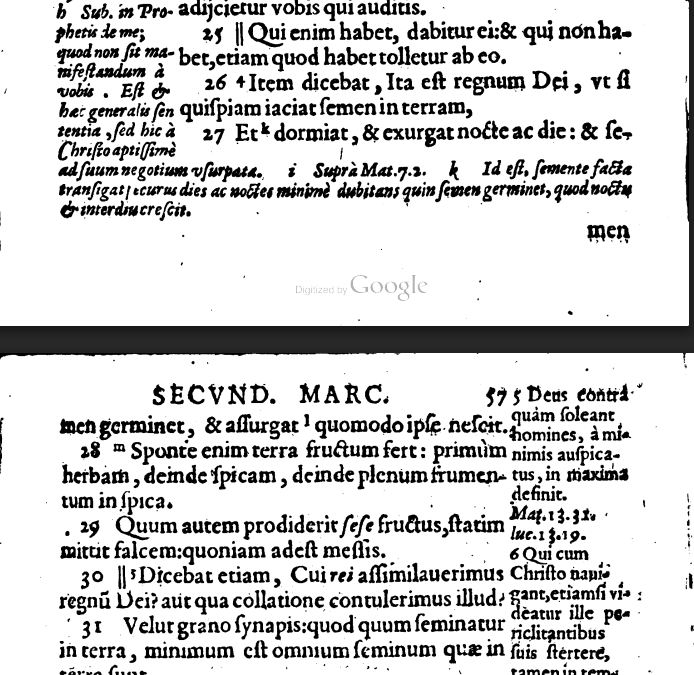
by Ian | Jun 20, 2025 | Mark Vocab
si - condition, condition The Latin word si is a cornerstone of conditional expressions, typically translated as ‘if.’ Its usage spans both Classical and Vulgate Latin, though with subtle shifts in nuance and frequency. In Classical Latin, si introduces conditional...
by Ian | Jun 13, 2025 | Mark Vocab
ut - small word - big job The Latin word ut is remarkably versatile, serving a range of grammatical and stylistic functions in both Classical and Vulgate Latin. Its meaning and use depend heavily on context, and it often introduces subordinate clauses with different...
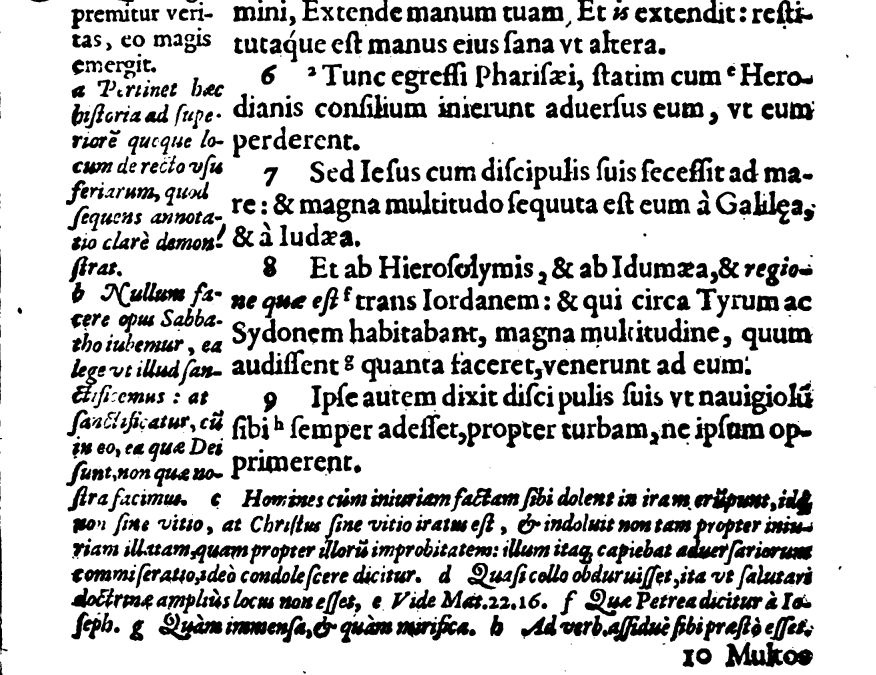
by Ian | Jun 6, 2025 | Mark Vocab
adversus - confrontation The Latin word adversus carries meanings of opposition, confrontation, and directionality, making it a significant term in both classical Latin literature and Vulgate writings. Classical Latin Usage In classical Latin, adversus functions as...
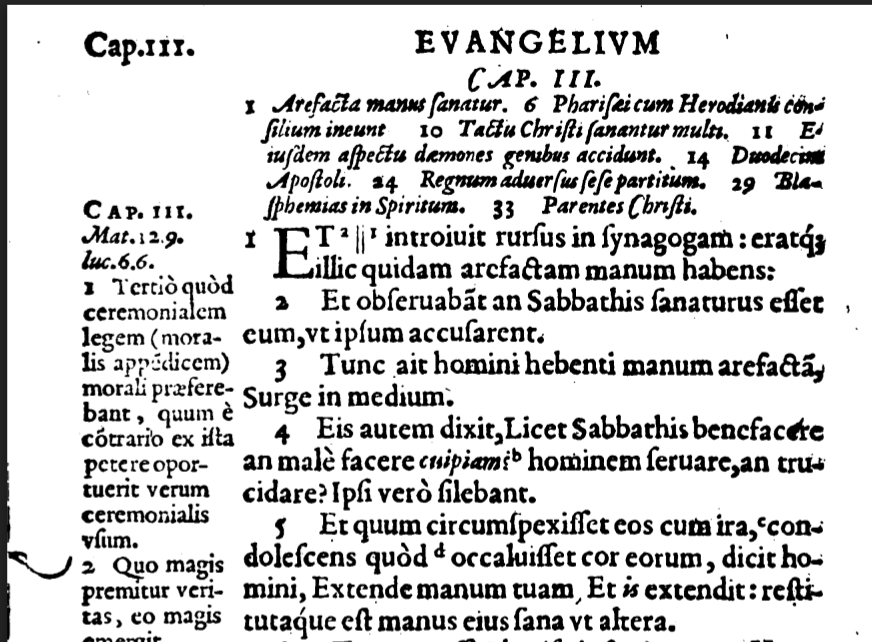
by Ian | May 30, 2025 | Mark Vocab
domus - a house no matter the delension The Latin noun domus (house, home) is unique in its declension, as it exhibits forms from both the second and fourth declensions. This variability makes it one of the most distinctive nouns in Latin grammar. Variable Declension...
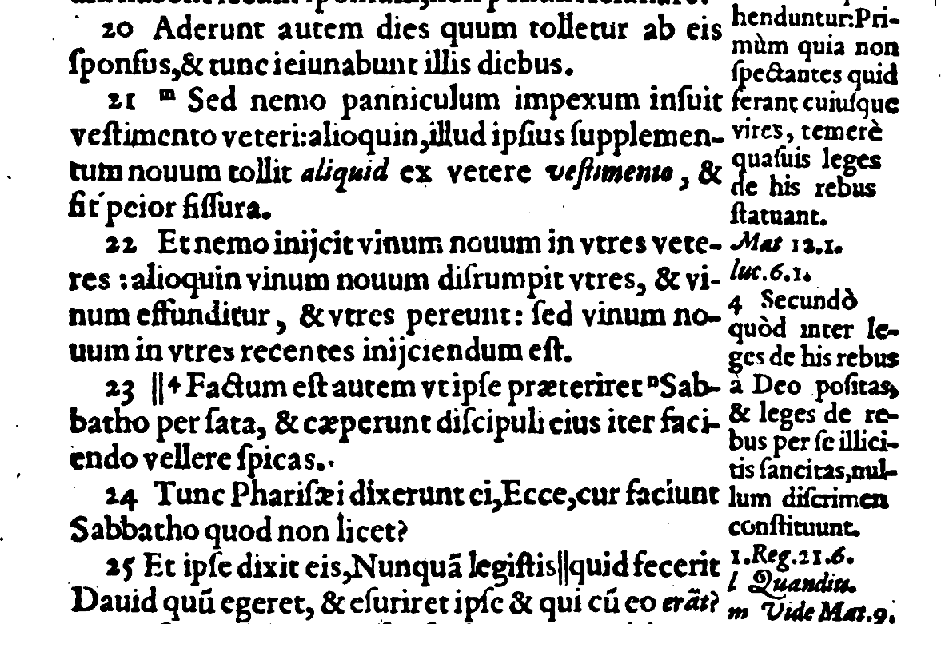
by Ian | May 23, 2025 | Mark Vocab
venio - I come, approach The Latin verb venio (venire, veni, ventum) belongs to the fourth conjugation and primarily means ‘to come’ or ‘to arrive.’ However, its usage in Vulgate Latin, the Latin translation of the Bible by St. Jerome, carries several nuanced meanings...
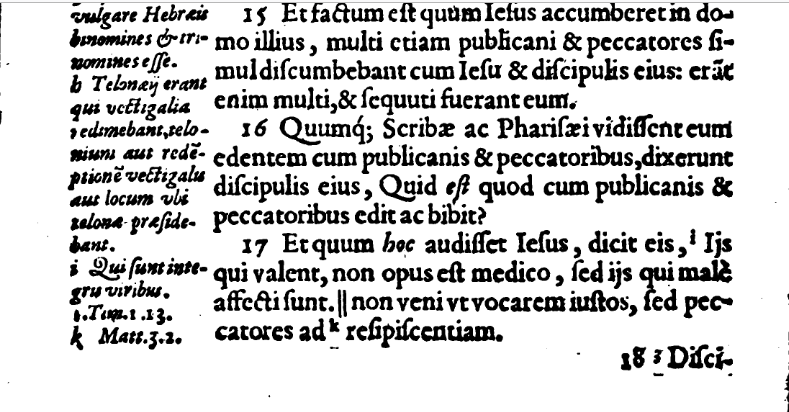
by Ian | May 16, 2025 | Mark Vocab
factum - the deed is done The Latin noun factum—derived from the verb facere (to do, to make)—has played a significant role in both classical and ecclesiastical literature. In classical Latin, factum primarily referred to an action, deed, or event. It was commonly...

Recent Comments