
by Ian | Aug 1, 2025 | Mark Vocab
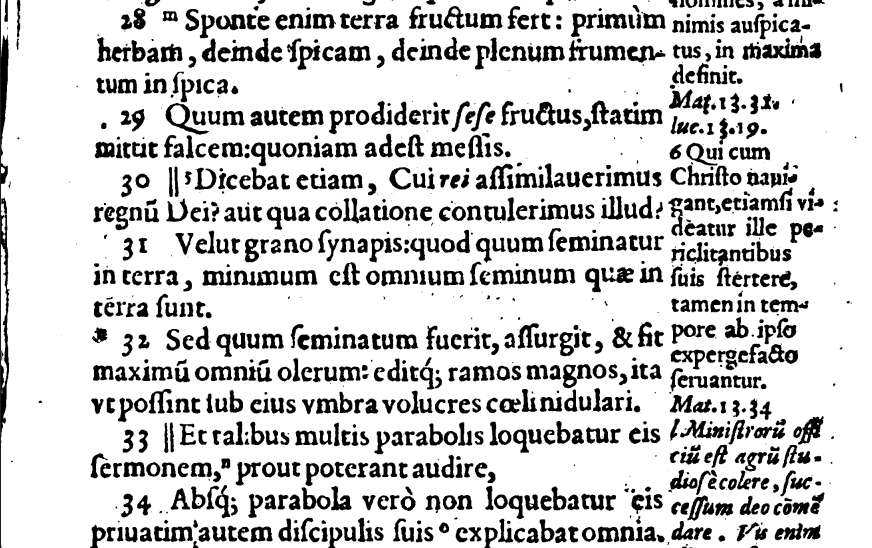
contra - opposition, critique, and deliberate resistance The Latin preposition and adverb contra—meaning ‘against’, ‘opposite’, or ‘in return’—is a word of confrontation, spatial and ideological. Compact yet loaded, contra threads through Latin literature with...
by Ian | Jul 25, 2025 | Mark Vocab
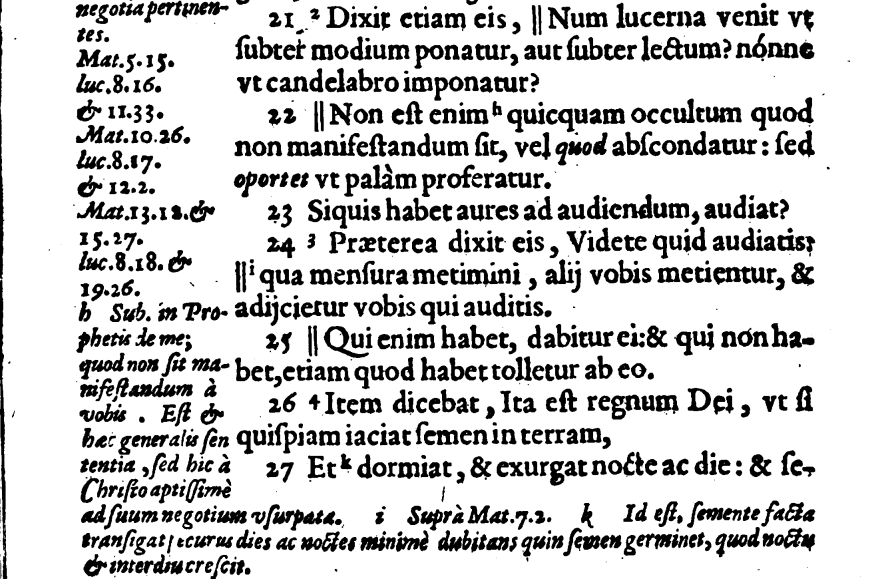
ultro - to go beyond expectation The adverb ultro—often translated as ‘voluntarily’, ‘of one’s own accord’, or ‘beyond expectation’—reveals a surprising dynamism in Latin literary usage. Far from a passive modifier, ultro consistently signals movement, initiative, or...
by Ian | Jul 18, 2025 | Mark Vocab
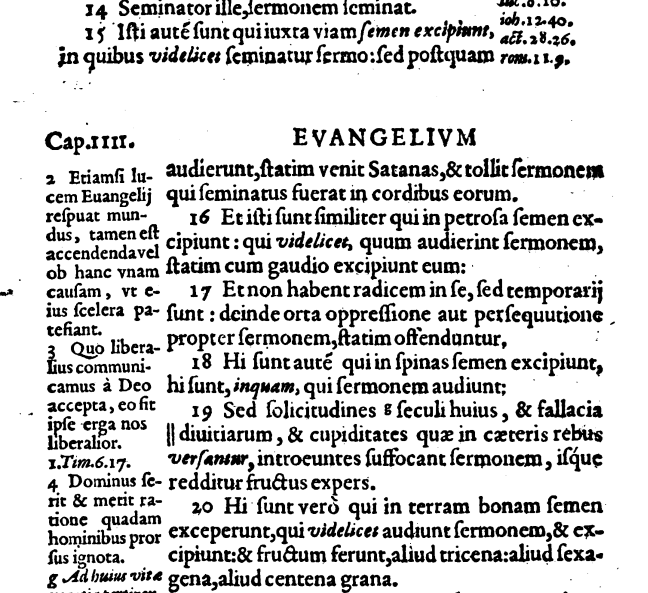
aut - a deceptively simple conjunction The Latin conjunction aut—meaning ‘or’ in a disjunctive sense—is deceptively simple but holds significant syntactic and stylistic importance across Latin literature. Distinguished from vel, which often suggests a softer...
by Ian | Jul 11, 2025 | Mark Vocab
confestim - immediately without delay! In Latin, confestim is an adverb meaning 'immediately', 'at once', or 'without delay'. It conveys urgency and swift action, and is frequently used in classical prose and poetry to mark decisive moments. The word is formed from...
by Ian | Jul 4, 2025 | Mark Vocab
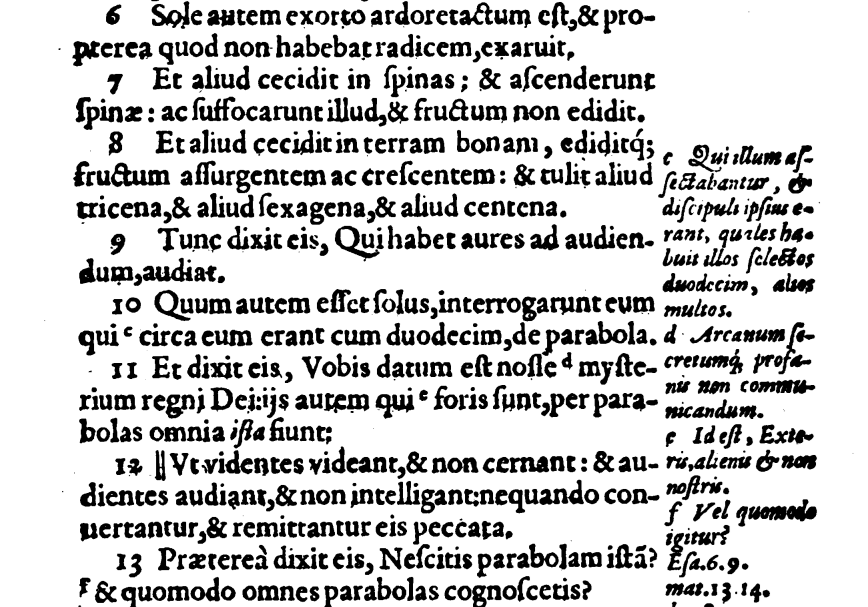
alius - another is different In Latin, alius is an adjective meaning 'other', 'another', or 'different'. It belongs to the pronominal group of first and second declension adjectives, but its declension is irregular in some forms. The nominative singular forms are...
by Ian | Jun 27, 2025 | Mark Vocab
quando - when o when? The Latin word quando is an adverb and conjunction meaning 'when'. In both Classical and Ecclesiastical Latin, it plays an important role in temporal expressions and conditional clauses, showing flexibility in tone, structure, and theological...

Recent Comments