
by Ian | Sep 12, 2025 | Mark Vocab
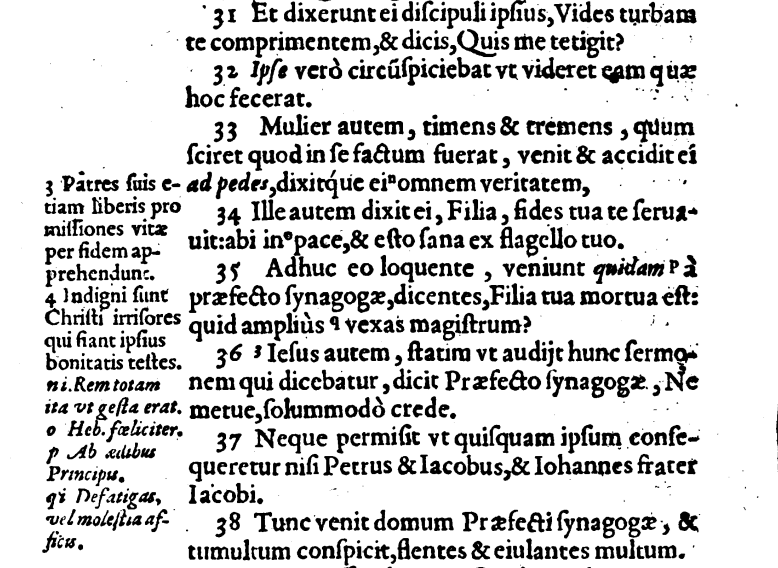
aio - he said, she said The Latin verb aio, meaning ‘I say’ or ‘I affirm’, is an irregular and archaic form that appears frequently in classical Latin literature, especially in dialogue, reported speech, and philosophical discourse. Unlike dico, which is more formal...
by Ian | Sep 5, 2025 | Mark Vocab
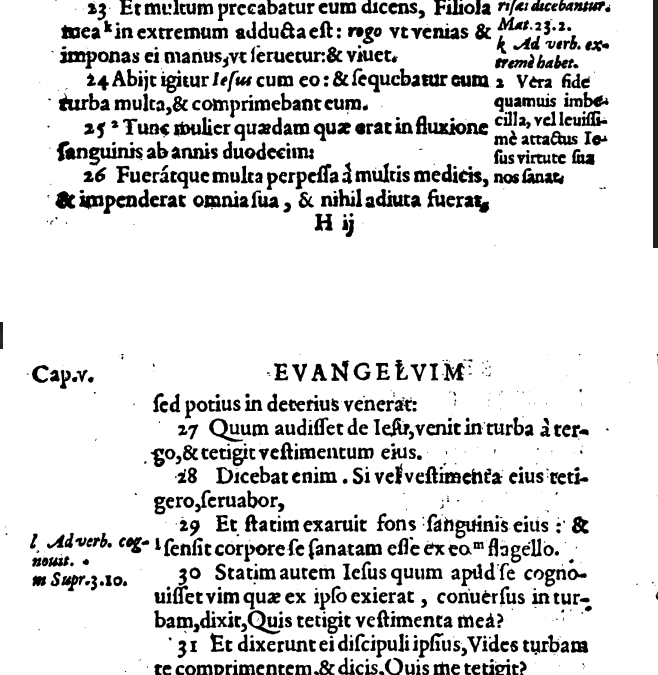
mulier - the merry wives The Latin noun mulier, meaning ‘woman’, is a term of social and cultural significance in classical Latin literature. Unlike femina, which can denote a woman more generally or biologically, mulier often carries connotations of social role,...
by Ian | Aug 29, 2025 | Mark Vocab
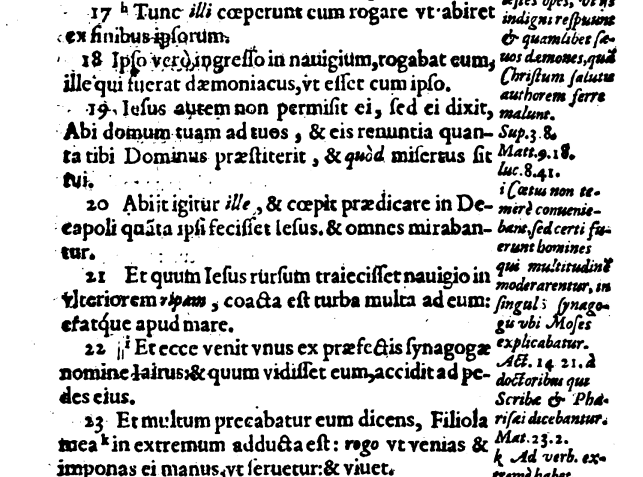
multus - the more the merrier The Latin adjective multus means ‘much’, ‘many’, or ‘a great number’, and is one of the most frequently used descriptive terms in classical Latin. It functions both quantitatively and qualitatively, appearing in singular and plural forms,...
by Ian | Aug 22, 2025 | Mark Vocab
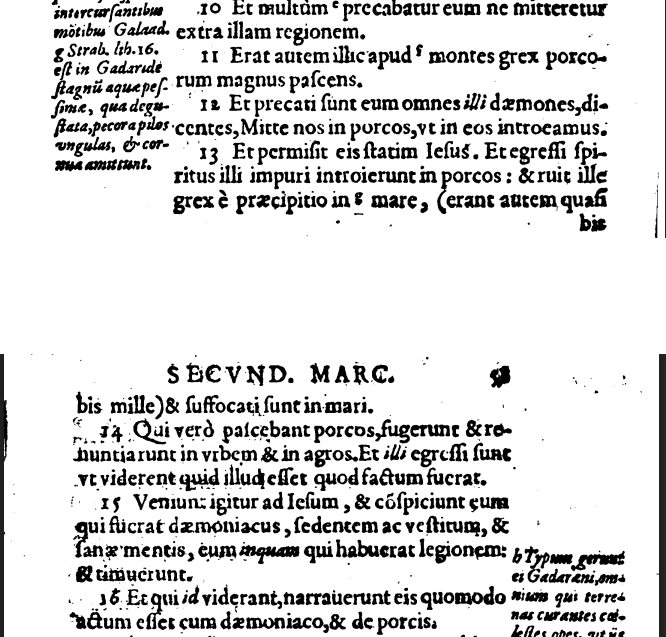
coepi - I have begun, so I'll finish The Latin verb coepi means ‘I began’ or ‘I have begun’, and is used to mark the initiation of an action or process. It is a defective verb, appearing only in the perfect system, with no present tense forms. For present-tense...
by Ian | Aug 15, 2025 | Mark Vocab
ne - no - with purpose The Latin particle ne is primarily used to introduce negative purpose clauses, indirect questions, and expressions of fear or prohibition. It is a syntactic marker rather than a lexical item with a standalone meaning. Yet its role in classical...
by Ian | Aug 8, 2025 | Mark Vocab
trans - one side or the other The Latin preposition trans means ‘across’, ‘beyond’, or ‘through’, and is used to indicate movement or extension from one side to another. It governs the accusative case and appears frequently in classical Latin literature, both in...

Recent Comments