by Ian | May 9, 2025 | Mark Vocab
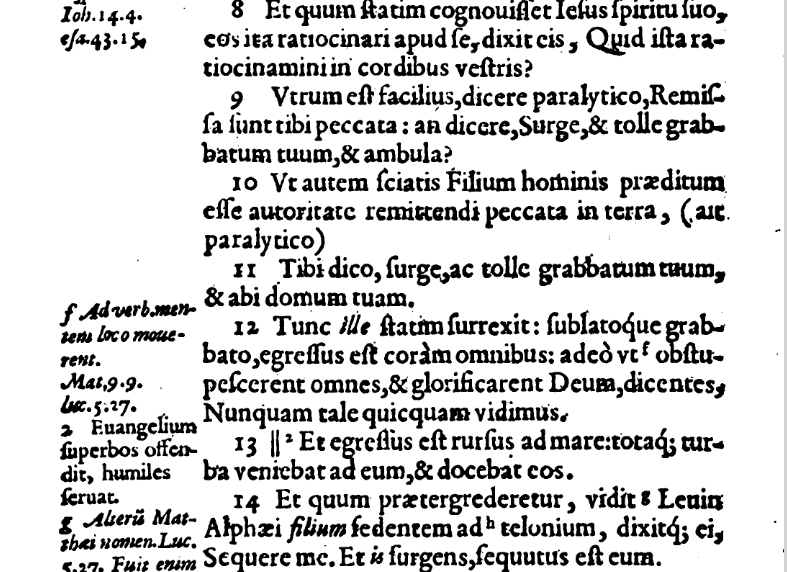
suus - belonging to oneself The Latin possessive determiner suus holds a distinctive place in Latin grammar and meaning, marking possession in a way that differs from other possessive adjectives. Suus, sua, suum translates to ‘his own,’ ‘her own,’ or ‘their own,’...
by Ian | May 2, 2025 | Mark Vocab
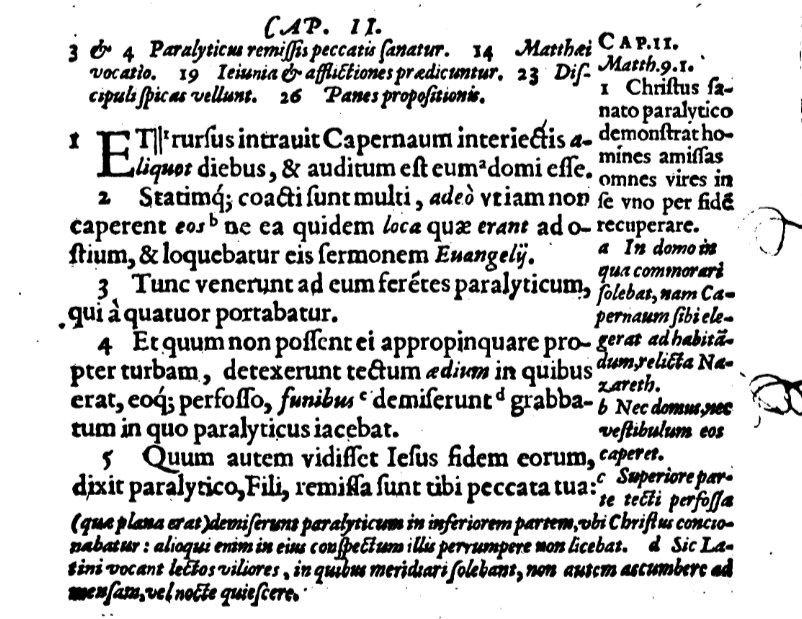
iterum - here we go again for a second time The Latin adverb iterum is a fascinating word that conveys the sense of repetition or recurrence. Translated into English, it generally means 'again' or 'a second time.' This simple yet powerful word played an important role...
by Ian | Apr 25, 2025 | Mark Vocab
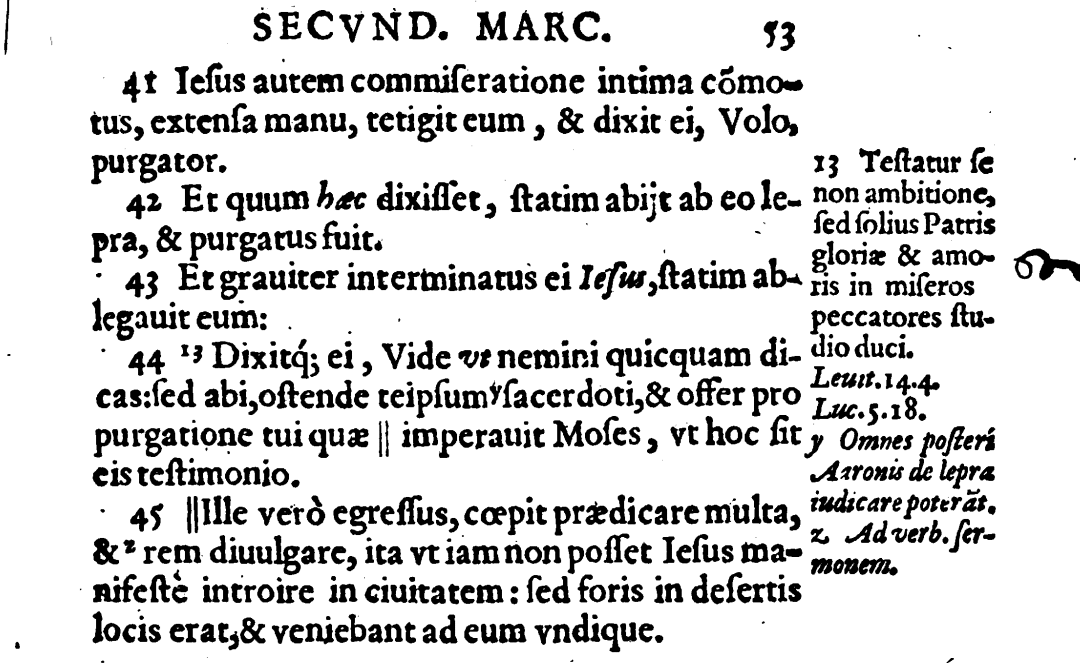
statim - immediately, at once The Latin adverb statim means 'immediately' or 'at once,' conveying a sense of urgency or instant action. It was frequently used by classical authors to indicate swift transitions, immediate consequences, or sudden realizations. In Roman...
by Ian | Apr 24, 2025 | Mark Vocab
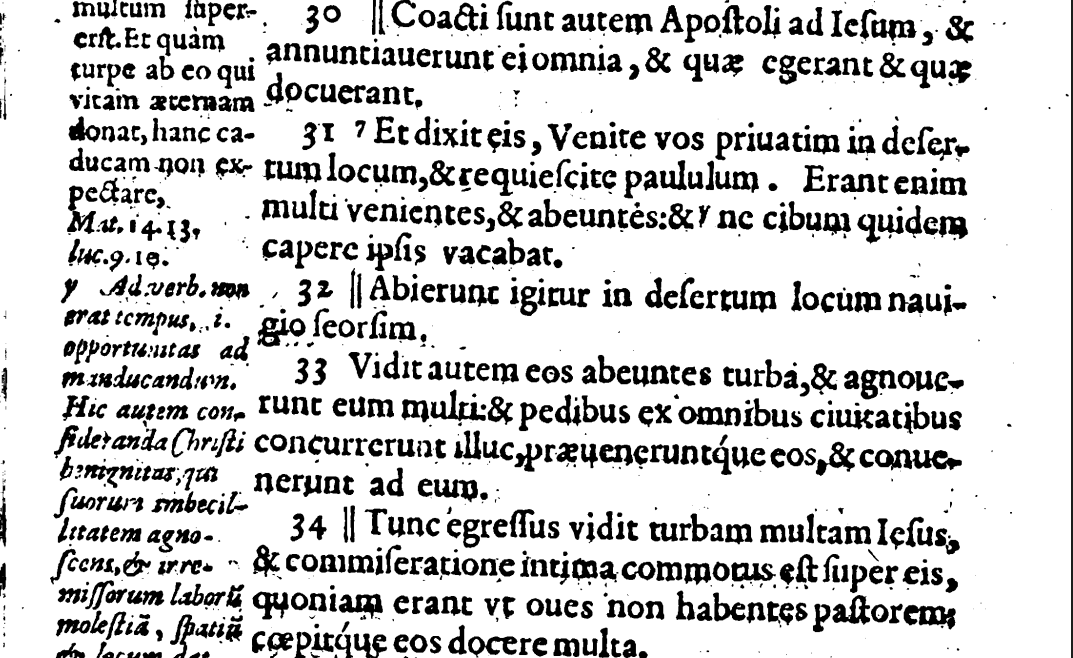
autem - but on the other hand The Latin conjunction autem is a postpositive word, meaning it always appears after the first word of a clause or phrase. It is typically translated as 'however', 'moreover', or 'on the other hand', and plays a crucial role in...
by Ian | Apr 11, 2025 | Mark Vocab
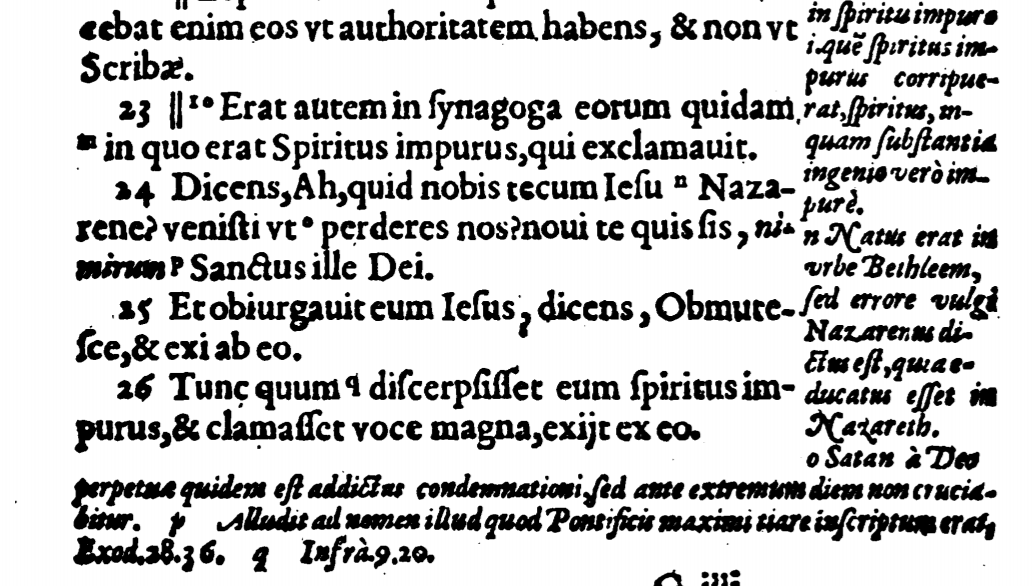
spiritus - the breath of the Holy Spirit The Latin word spiritus carries profound meanings, with its primary sense being ‘breath,’ ‘spirit,’ or ‘soul.’ Derived from spirare (‘to breathe’), spiritus signifies the life-giving force essential to existence. In both...
by Ian | Apr 4, 2025 | Mark Vocab
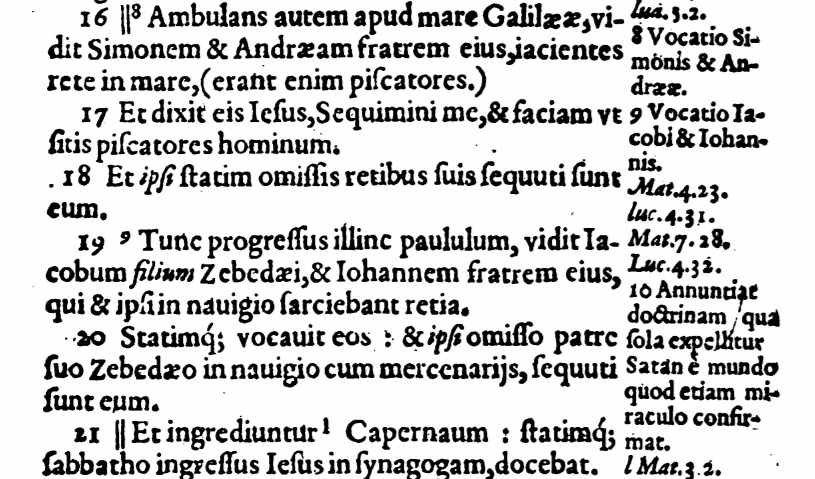
mare - the sea in Latin literature The Latin word mare (neuter noun, third declension) primarily translates to ‘sea’ and plays a significant role in both classical Latin literature and the Vulgate Bible. Its versatility made it a favored term among authors, expressing...

Recent Comments