
by Ian | Jun 19, 2025 | Aeneid Book 1
nunc - now or never The Latin adverb nunc, meaning 'now', plays a crucial role in Classical Latin, especially in epic poetry where it marks shifts in time, action, and emotion. Derived from an ancient Indo-European root, nunc emphasizes immediacy, urgency, and...
by Ian | Jun 12, 2025 | Aeneid Book 1
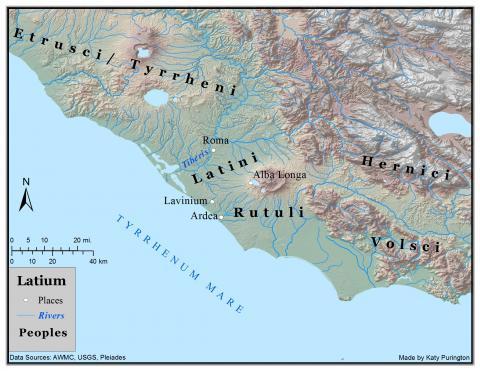
Latium Latium, located in central Italy, is a historically and mythologically significant region in Virgil’s Aeneid. Situated south of Etruria and north of Campania, it encompasses a coastal and inland landscape that would later become the heart of Roman...
by Ian | Jun 5, 2025 | Aeneid Book 1
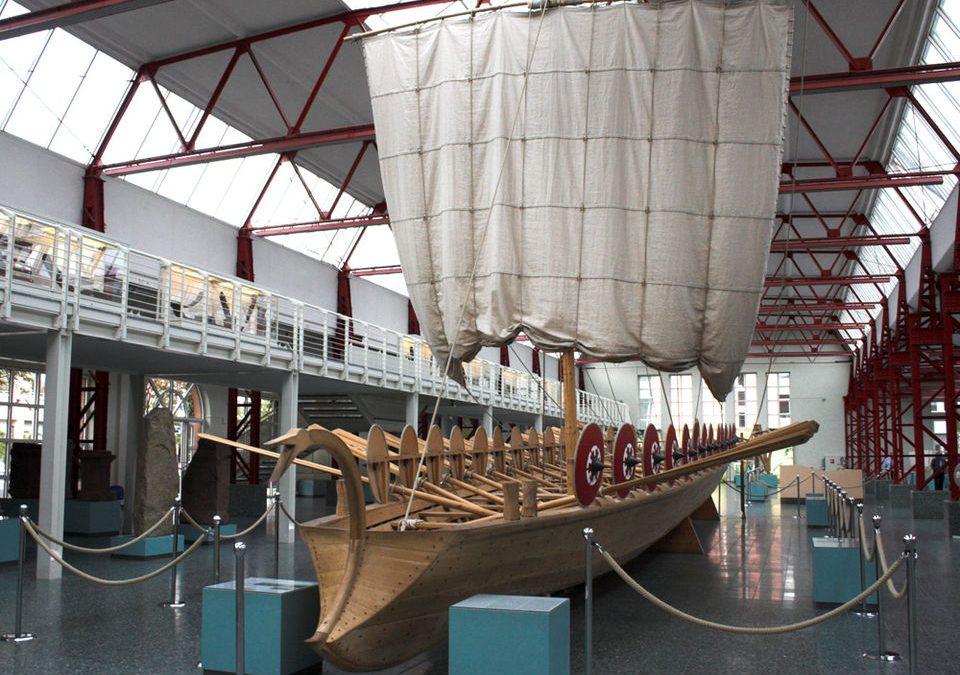
navis lusoria A lusoria (short form of navis lusoria from Latin 'dancing/playful ship', plural naves lusoriae) was a type of small military vessel of the late Roman Empire that served as a troop transport. It was powered by about thirty soldier-oarsmen and an...

by Ian | May 29, 2025 | Aeneid Book 1
scopulus The Latin noun scopulus refers to a crag, cliff, or rocky outcrop, often associated with danger and obstacles in classical literature. Derived from the Greek skópelos, meaning 'lookout place' or 'promontory,' scopulus frequently appears in Roman texts to...
by Ian | May 22, 2025 | Aeneid Book 1
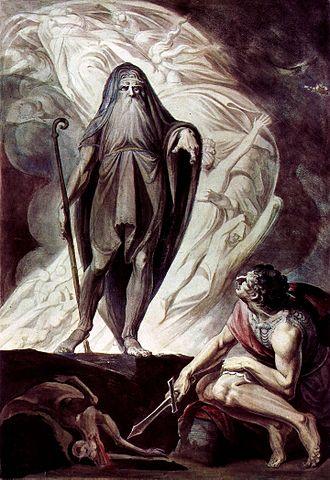
Umbra In Latin poetry, the term ‘umbra’ (meaning ‘shadow’) holds significant symbolic and thematic weight. Shadows in Latin poetry often represent absence, memory, and the ephemeral nature of life, serving as a powerful metaphor for the human condition. One of the...
by Ian | May 15, 2025 | Aeneid Book 1
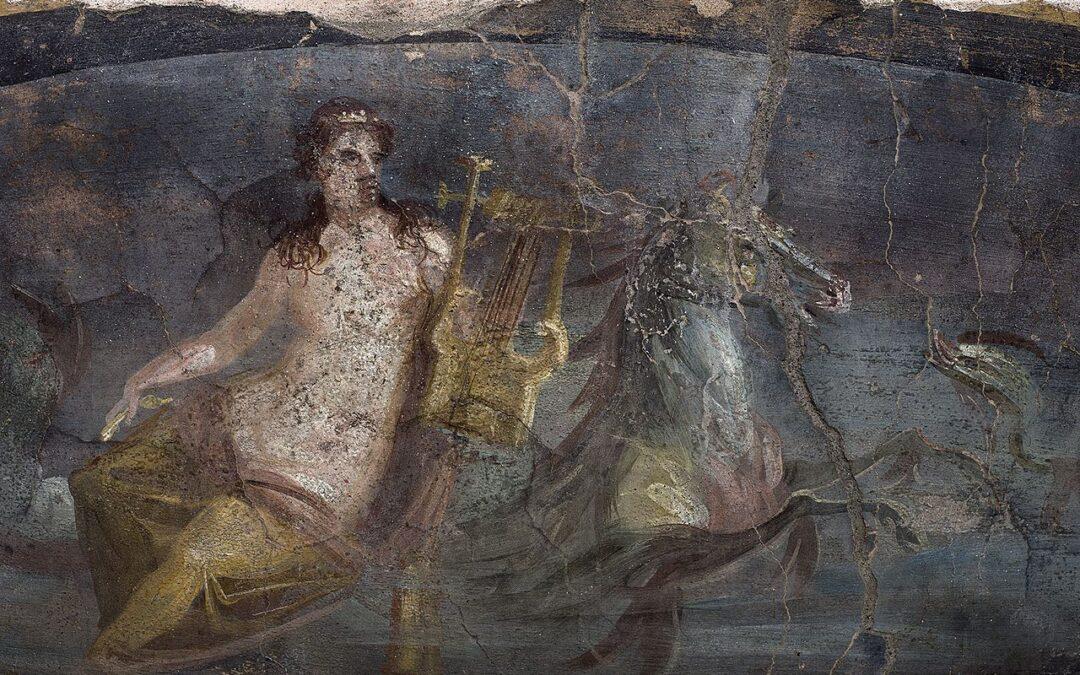
Nereids In Greek mythology, the Nereids or Nereides are sea nymphs (female spirits of sea waters), the 50 daughters of the 'Old Man of the Sea' Nereus and the Oceanid Doris, sisters to their brother Nerites. They often accompany Poseidon, the god of the sea, and can...

Recent Comments