by Ian | Apr 21, 2025 | Argonauts Vocab
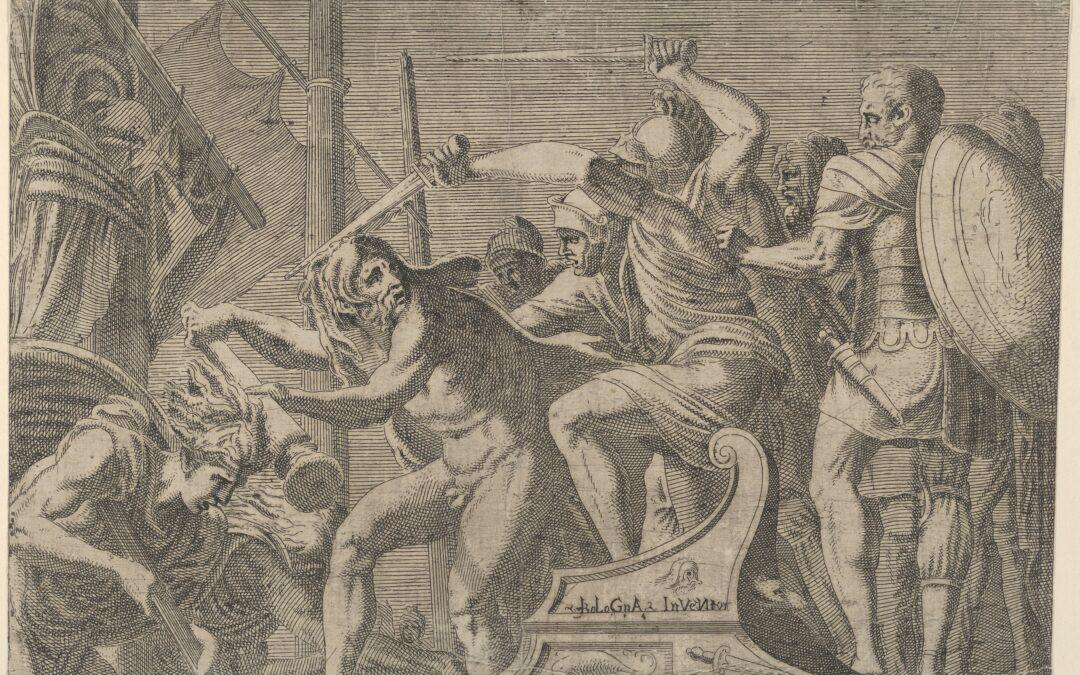
ita - so, therefore, in this way - thus The Latin adverb ita is versatile and commonly used to mean thus, so, or in this way. Its primary function is to indicate manner or degree, and it appears frequently in both prose and poetry. One key use of ita is in comparisons...
by Ian | Apr 14, 2025 | Argonauts Vocab
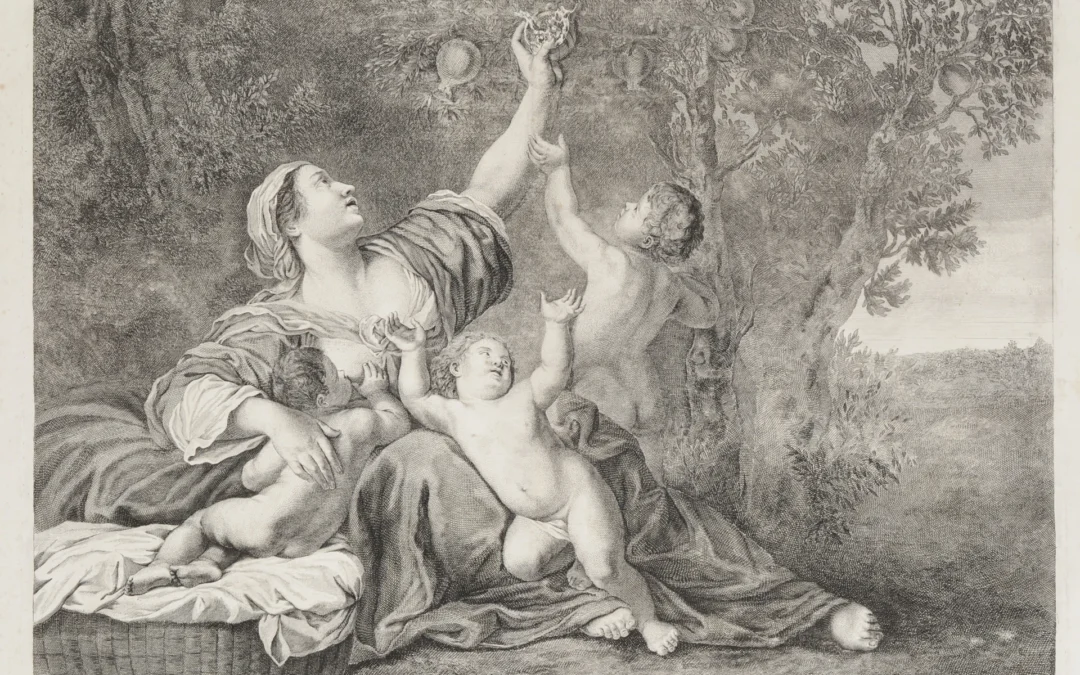
interea - meanwhile... The Latin adverb interea translates to meanwhile, in the meantime, or at the same time in English. It is derived from the combination of inter, meaning between or among, and ea, a demonstrative pronoun roughly corresponding to those things....
by Ian | Apr 7, 2025 | Argonauts Vocab
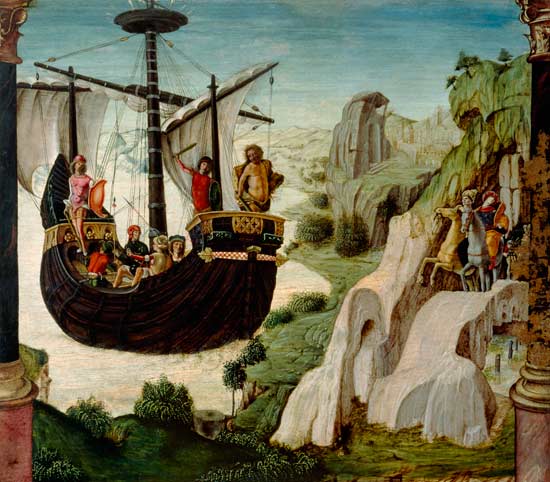
locus - where's the spot? Let's delve into the Latin word locus: The English word location derives directly from locus. Literally, locus denotes a physical location or place. In ancient Roman society, locus could refer to any specific point in space, such as a...
by Ian | Mar 31, 2025 | Argonauts Vocab
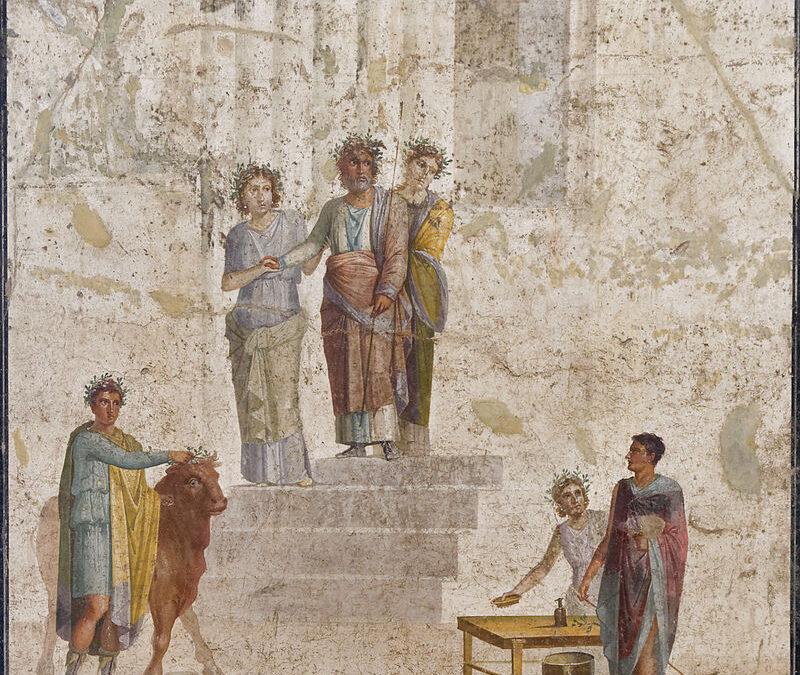
pes - what's afoot? The Latin term pes, meaning foot, plays a fundamental role in ancient language, literature, and culture. Used in both literal and figurative contexts, connects to various aspects of Roman daily life, military affairs, and literary works. Literally,...
by Ian | Mar 31, 2025 | Argonauts Vocab
tempus fugit! tempus, the Latin word for time, is a cornerstone of Roman culture and thought, threading through both everyday life and deeper philosophical musings. The term belongs to the third declension, with its plural form being tempora. It’s used in a variety of...

by Ian | Mar 31, 2025 | Argonauts Vocab
duo - What a pair! The word duo means two and is the root of many familiar English words. Originating from the Proto-Italic *duō*, which in turn comes from the Proto-Indo-European *dwoh*, duo has certainly come a long way. In classical Latin, duo serves as the...

Recent Comments