by Ian | Jun 2, 2025 | Argonauts Vocab
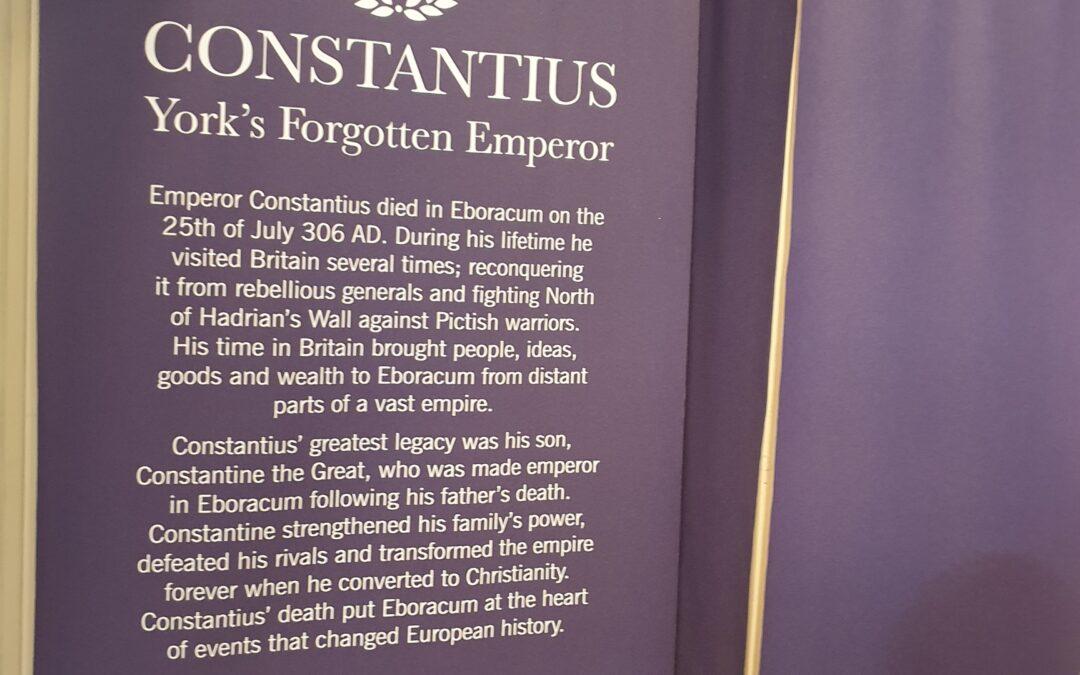
rex - no more kings The Latin word rex means ‘king’ and was a title used in early Roman history before the establishment of the Republic. However, the Romans developed a deep aversion to monarchy, leading to the abolition of kingship and the creation of a new...

by Ian | May 26, 2025 | Argonauts Vocab
brevi - a short passage of time The Latin adverb brevi originates from the ablative form of brevis (meaning ‘short’ or ‘brief’) and conveys the sense of ‘soon,’ ‘shortly,’ or ‘briefly.’ In classical Latin literature, brevi was employed in various contexts, ranging...

by Ian | May 19, 2025 | Argonauts Vocab
pro - not this time bono! The Latin preposition pro is one of the most versatile and widely used words in classical literature, carrying meanings related to substitution, defense, advantage, and location. It governs the ablative case and frequently appears in...
by Ian | May 12, 2025 | Argonauts Vocab
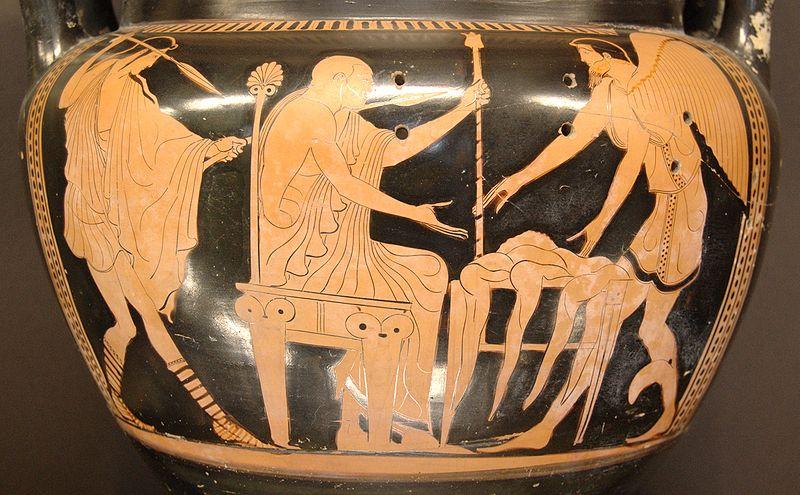
appello - to call or not to call... The Latin verbs appello, appellare and appello, appellere share a common root but diverge significantly in meaning and usage within Latin literature and discourse. Their differences stem from their grammatical conjugations—one...
by Ian | May 5, 2025 | Argonauts Vocab
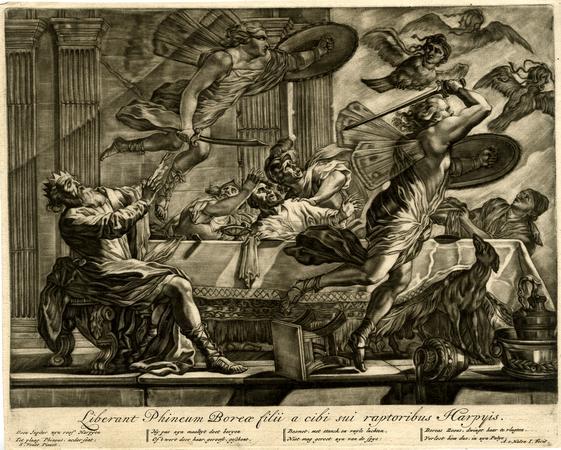
cursus - the fast lane The Latin noun cursus is a fourth-declension masculine noun that broadly signifies course, running, or movement. Its root, derived from the verb currere (to run), reflects ideas of progression, flow, and action. The word is rich in meaning and...

by Ian | Apr 28, 2025 | Argonauts Vocab
postridie - this time tomorrow? The Latin adverb postridie means on the next day or the following day. It is derived from the combination of two elements: posterus, meaning next or following, and diē, the ablative form of diēs (day). Together, these components...

Recent Comments