
by Ian | Aug 25, 2025 | Argonauts Vocab
sol - here comes the sun The Latin noun sol, meaning ‘sun’, appears frequently in classical Latin literature, not only as a physical entity but also as a symbol, temporal marker, and poetic motif. As a masculine noun of the third declension, sol lends itself to both...
by Ian | Aug 18, 2025 | Argonauts Vocab
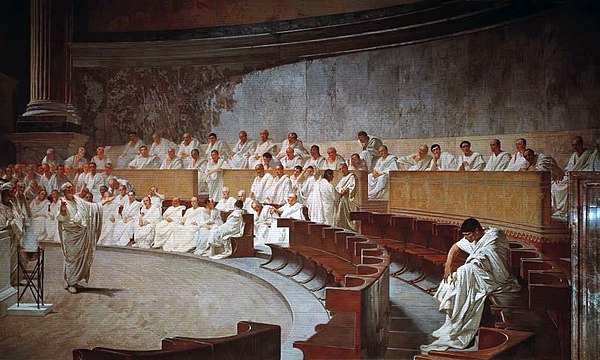
quam - more than... The Latin word quam is remarkably versatile, functioning as an adverb, conjunction, and relative particle across a wide array of syntactic environments. Its core meaning—‘how’ or ‘than’—shifts depending on context, allowing authors to express...

by Ian | Aug 11, 2025 | Argonauts Vocab
dum - while, provided that The Latin word dum serves as a conjunction with a range of temporal and concessive meanings, making it a subtle yet potent tool in classical Latin literature. Its primary function is to denote simultaneity—'while'—but it also appears with...

by Ian | Aug 4, 2025 | Argonauts Vocab
et - and, and The Latin word et, meaning 'and', is among the most frequently encountered particles in classical Latin literature. Far from being a mere connective, et operates with remarkable flexibility, serving not only to link words and clauses but also to shape...

by Ian | Jul 28, 2025 | Argonauts Vocab
multus - much ado about nothing The adjective multus, meaning ‘much’ or ‘many’, appears frequently across classical Latin texts, serving not just a quantitative function but also conveying emotional, rhetorical, and philosophical emphasis. Its utility spans prose,...
by Ian | Jul 21, 2025 | Argonauts Vocab
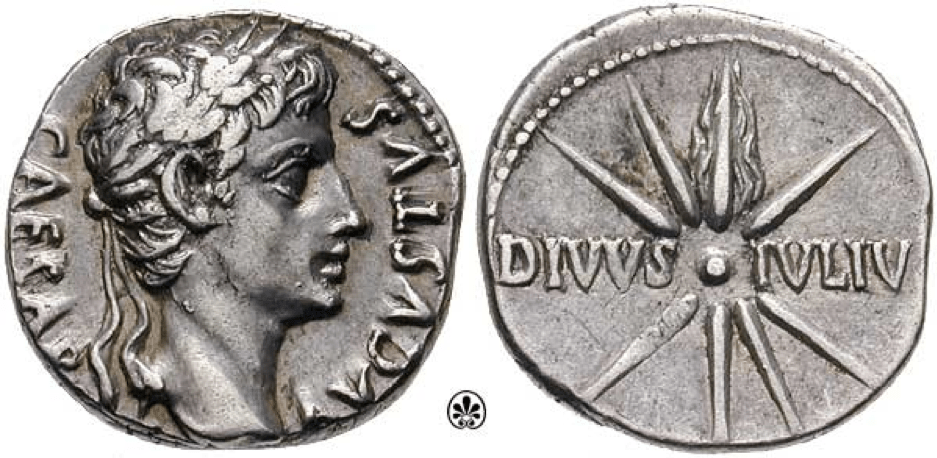
quidam - a certain someone The word quidam, meaning ‘a certain one’ or ‘someone’, functions as both pronoun and adjective, often introducing unspecified or lightly characterized individuals in narrative, legal, or philosophical contexts. Its use allows authors to...

Recent Comments