by Ian | Aug 7, 2025 | Aeneid Book 1
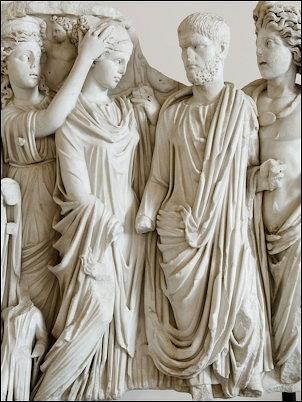
coniunx - to have and to hold from this day forward The Latin noun coniunx (also spelt coniux) denotes ‘spouse’, encompassing both ‘husband’ and ‘wife’. It derives from the verb coniungo, meaning ‘to join together’, and thus implies a bond formed through union—legal,...
by Ian | Jul 31, 2025 | Aeneid Book 1
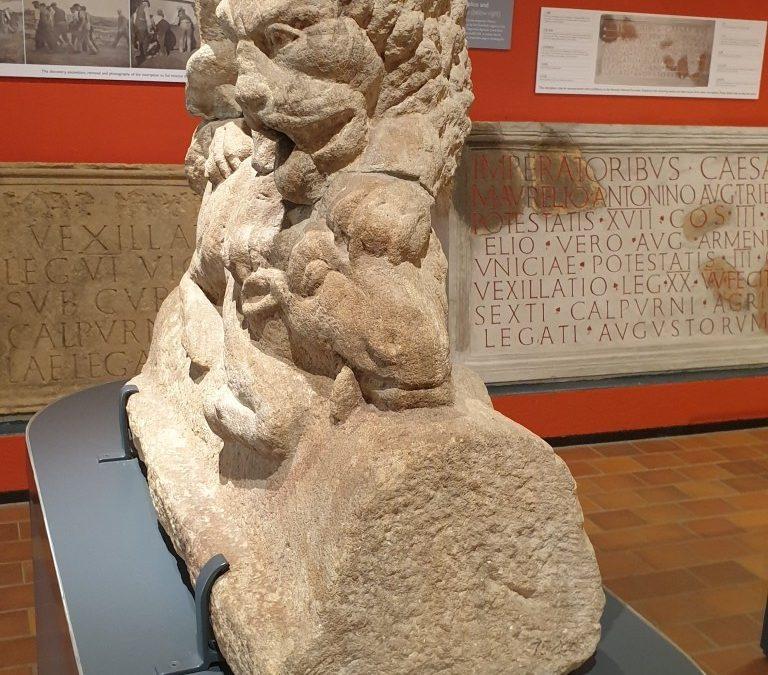
namque - a particle indeed for truly The Latin particle namque—a compound of nam and -que, meaning ‘for indeed’ or ‘for truly’—plays a distinctive role in Virgil’s literary architecture. More emphatic than nam alone, namque introduces explanations, elaborations, or...

by Ian | Jul 24, 2025 | Aeneid Book 1
sacerdos - either male or female In Latin, sacerdos refers to a priest or priestess, a compound of sacer (sacred) and dare (to give)—thus, one who offers sacred things or mediates between the divine and human. It is a gender-inclusive third-declension noun, used for...

by Ian | Jul 17, 2025 | Aeneid Book 1
asper - take the rough with the smooth The word asper—meaning ‘rough’, ‘harsh’, or ‘fierce’—appears prominently in Vergilian verse, particularly in the Aeneid, where it carries tactile, emotional, and moral resonance. Far from being limited to texture, asper in Vergil...
by Ian | Jul 10, 2025 | Aeneid Book 1
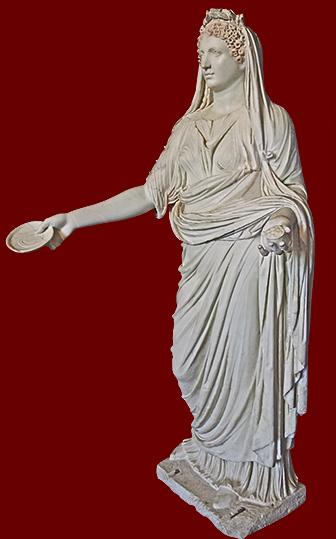
sacerdos - either male or female In Latin, sacerdos refers to a priest or priestess, a compound of sacer (sacred) and dare (to give)—thus, one who offers sacred things or mediates between the divine and human. It is a gender-inclusive third-declension noun, used for...
by Ian | Jul 3, 2025 | Aeneid Book 1
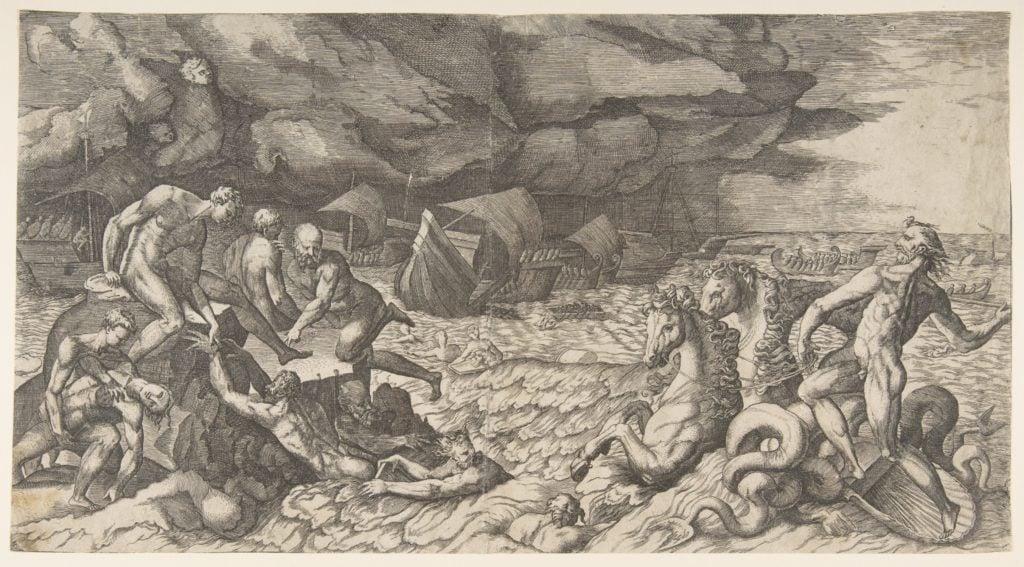
tempestas - in a teacup? In Latin, tempestas primarily means ‘storm’ or ‘weather,’ but its semantic range extends to include ‘season,’ ‘period of time,’ or even metaphorical ‘turmoil.’ As a feminine third-declension noun, tempestas is both a natural and narrative...

Recent Comments