
by Ian | Sep 3, 2025 | Cicero in Catilinam Vocab
invidia - disrupting jealousy The Latin noun invidia denotes envy, resentment, or ill will, often arising from the perception of another’s success, beauty, or fortune. Its semantic field extends beyond personal jealousy to encompass public hostility, divine...
by Ian | Sep 2, 2025 | Caesar-SbS
CHAPTER 20Divitiacus, embracing Caesar, begins to implore him, with many tears, that "he would not pass any very severe sentence upon his brother; saying, that he knows that those charges are true, and that nobody suffered more pain on that account than he himself...
by Ian | Sep 2, 2025 | Caesar Vocab
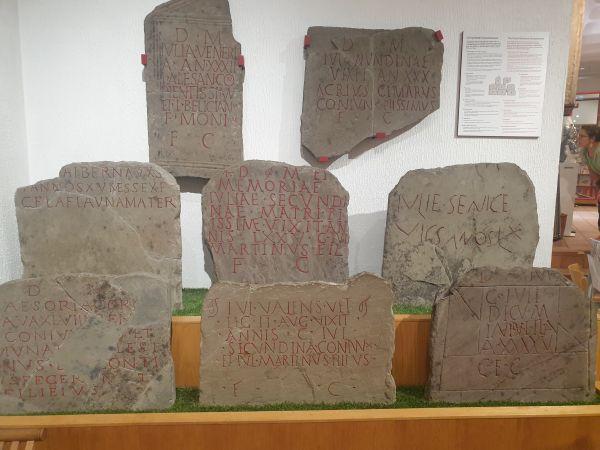
complexus - a physical or metaphorical cuddle The Latin noun complexus, derived from the verb complector, denotes an embrace, a surrounding, or a close connection—both physical and metaphorical. As a fourth-declension masculine noun, it appears frequently in poetry...
by Ian | Sep 1, 2025 | Perseus Vocab
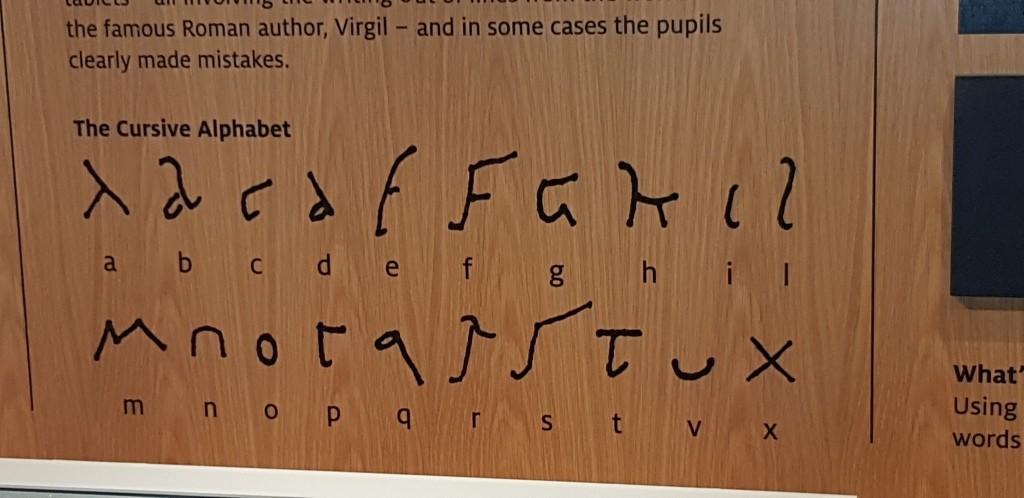
poeta - masculine first declension noun The Latin masculine first declension noun poeta, meaning ‘poet’, is a loanword from Greek, and its adoption into Latin reflects both linguistic borrowing and cultural aspiration. In classical literature, poeta denotes not merely...
by Ian | Aug 29, 2025 | Mark SbS
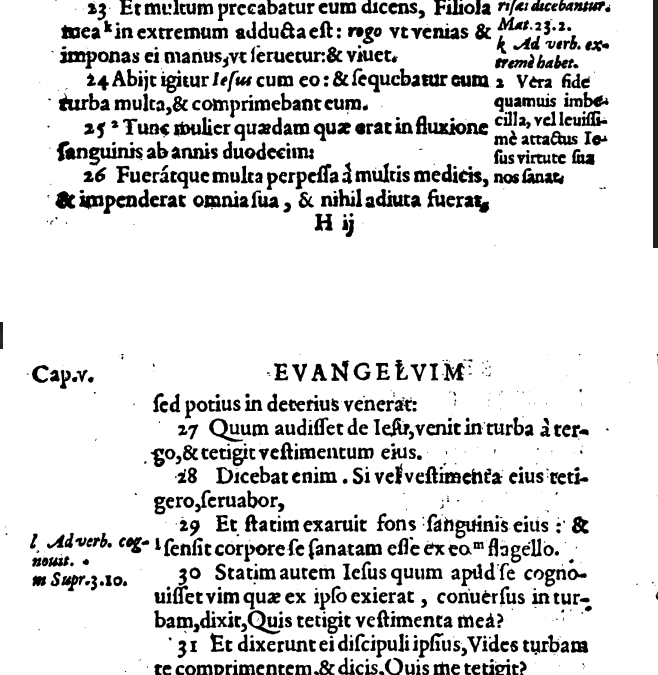
CHAPTER 5 24 And Iesus went with him, and much people followed him, and thronged him.25 And a certaine woman which had an issue of blood twelue yeeres,26 And had suffered many things of many Physicians, and had spent all that she had, and was nothing bettered, but...
by Ian | Aug 29, 2025 | Mark Vocab
multus - the more the merrier The Latin adjective multus means ‘much’, ‘many’, or ‘a great number’, and is one of the most frequently used descriptive terms in classical Latin. It functions both quantitatively and qualitatively, appearing in singular and plural forms,...

Recent Comments