
by Ian | Sep 9, 2025 | Caesar Vocab
dexter - on the right The Latin adjective dexter, meaning ‘right’ or ‘on the right side’, carries both literal and symbolic significance in classical Latin literature. As a first/second declension adjective, it appears in forms such as dextera or dextrum, and is often...

by Ian | Sep 8, 2025 | Perseus Vocab
brevis - I'll be brief The Latin adjective brevis, meaning ‘short’ or ‘brief’, is a term of both physical and metaphorical significance in classical literature. Its use spans poetry, prose, and philosophical discourse, often marking limits of time, space, or...
by Ian | Sep 5, 2025 | Mark Vocab
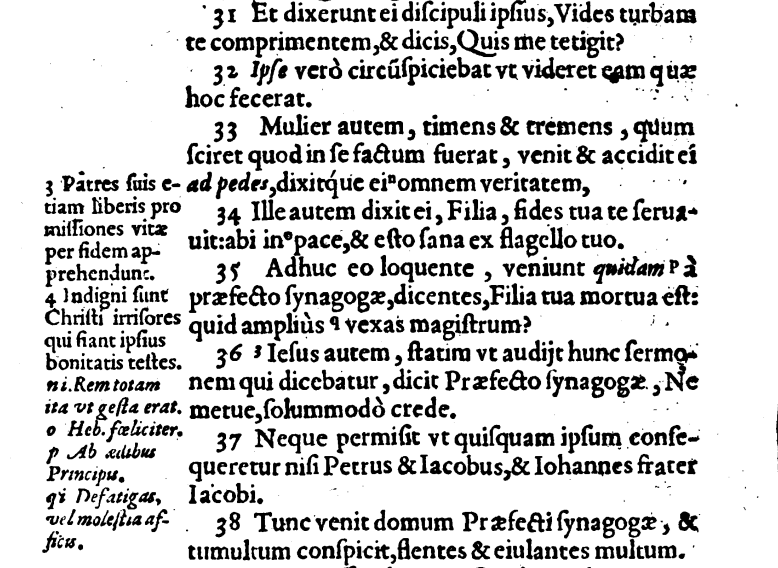
mulier - the merry wives The Latin noun mulier, meaning ‘woman’, is a term of social and cultural significance in classical Latin literature. Unlike femina, which can denote a woman more generally or biologically, mulier often carries connotations of social role,...
by Ian | Sep 4, 2025 | Aeneid Translation
Thus reproaching her he bends his steps towards the city. But Venus girt them in their going with dull mist, and shed round them a deep divine clothing of cloud, that none might see them, none touch them, or work delay, or ask wherefore they came. Herself she speeds...

by Ian | Sep 4, 2025 | Aeneid Vocab
gressus - a step too far The Latin noun gressus, meaning ‘step’ or ‘stride’, is derived from the verb gradior, ‘to walk’ or ‘to step’. In classical Latin literature, gressus is used both literally and metaphorically, often to describe movement, progress, or posture....
by Ian | Sep 3, 2025 | Cicero in Catilinam-SbS
If my country, which means much more to me than my own life, if all Italy, if the whole commonwealth were to say this to me: “What are you doing, Marcus Tullius? Are you going to let this man who is, as you have discovered, a public enemy; who will, as you see, be the...

Recent Comments