by Ian | Jul 28, 2025 | Argonauts
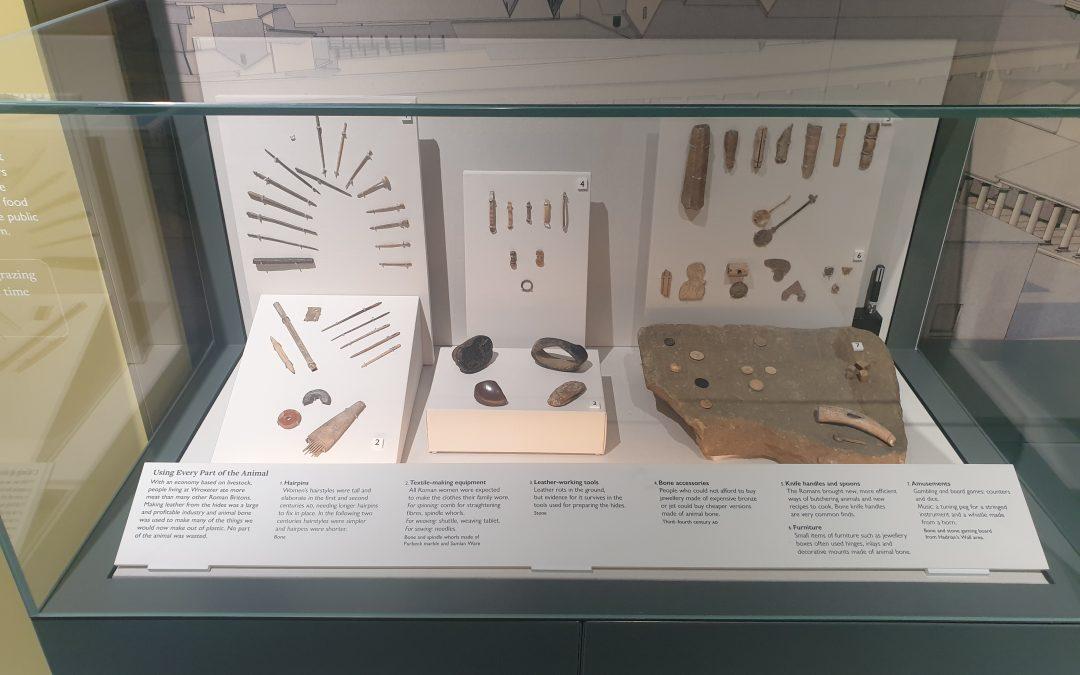
tandem -finally at last The adverb tandem, often translated as ‘finally’ or ‘at last’, functions as more than mere temporal punctuation in classical Latin. It frequently carries emotional weight, signifying relief, frustration, or anticipation reaching its resolution....
by Ian | Jul 21, 2025 | Argonauts
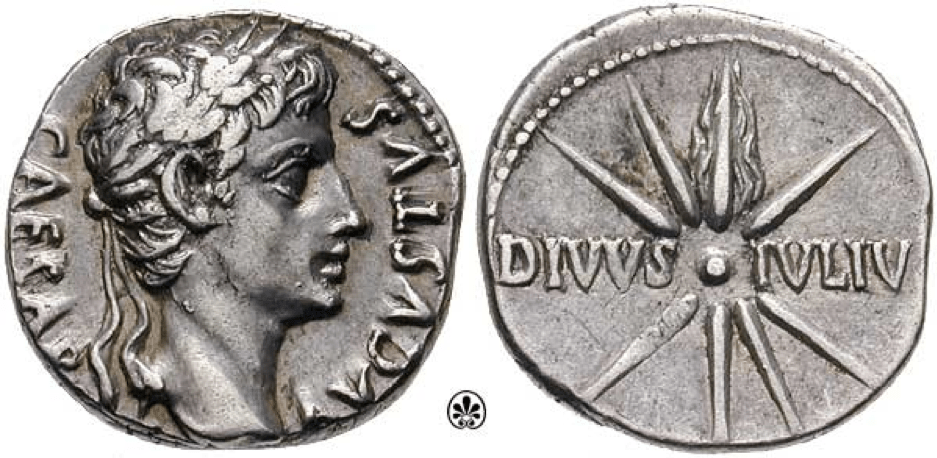
filius - my son The noun filius, meaning ‘son’, occupies a central position in Roman thought, often entwined with legal identity, moral duty, lineage, and political expectation. Its appearances in classical texts are rarely incidental; filius marks both familial...

by Ian | Jul 14, 2025 | Argonauts
mora - delays are a hindrance In Latin, mora is a feminine noun of the first declension meaning 'delay', 'pause', or 'hindrance'. Its forms include mora, morae, morae, moram, morā in the singular and morae, morarum, moris, moras, moris in the plural. The word derives...
by Ian | Jul 7, 2025 | Argonauts
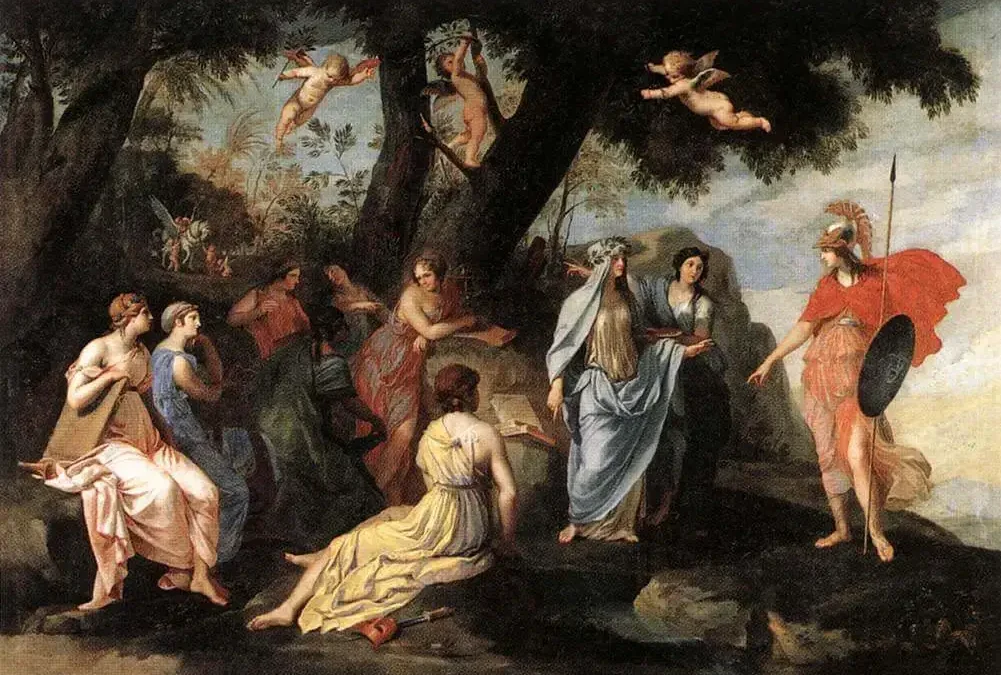
animus - it's all in the mind In Latin, animus is a rich and multifaceted noun meaning 'mind', 'spirit', 'soul', or 'intellect'. It belongs to the second declension and is masculine: animus, animi, animo, animum, animo in the singular; animi, animorum, animis, animos,...

by Ian | Jun 30, 2025 | Argonauts
lux The Latin noun lux (gen. lucis) belongs to the third declension and means ‘light,’ ‘daylight,’ or ‘brightness,’ both in a physical and metaphorical sense. As a fundamental concept in Roman literature, philosophy, and religion, lux is a recurring theme in poetic,...

by Ian | Jun 23, 2025 | Argonauts
Absyrtus Absyrtus, a lesser-known but pivotal figure in Greek mythology, played a tragic role in the escape of Jason and Medea following their theft of the Golden Fleece. As the son of King Aeëtes of Colchis and brother (or half-brother) to Medea, Absyrtus was caught...

Recent Comments