
by Ian | May 21, 2025 | in Catilinam
di immortales The di immortales (immortal gods) are frequently referred to in literature of this period. Cicero in particular had an interest in the gods and wrote a few books on the subject. Works like de Natura Deorum (on the Nature of the Gods) and de Divinatione...
by Ian | May 14, 2025 | in Catilinam
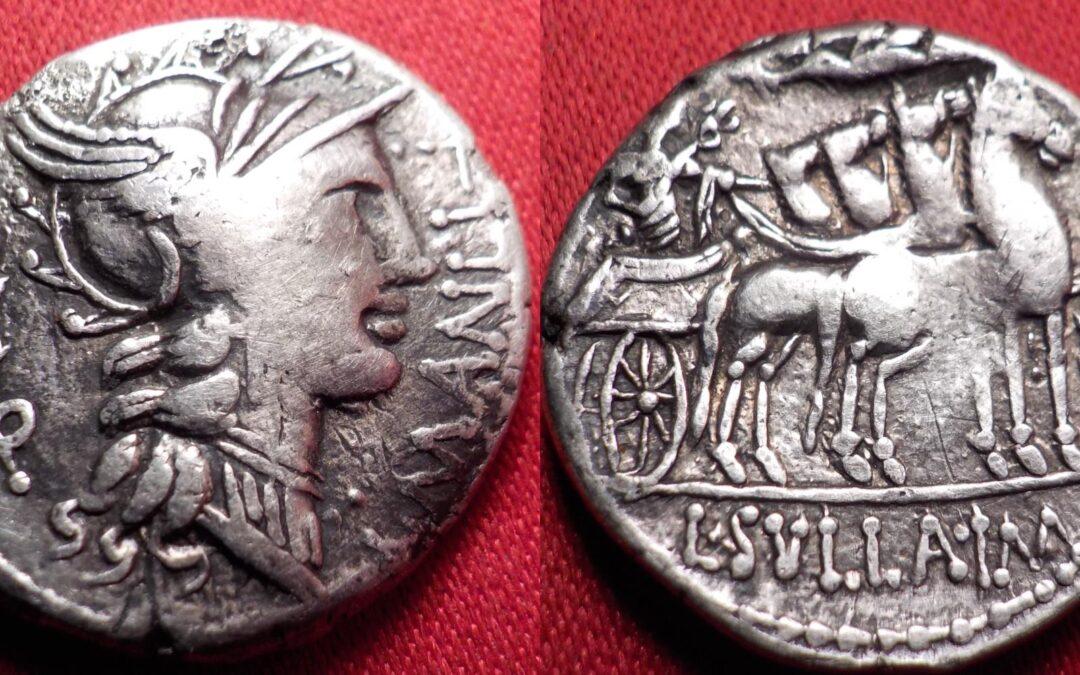
Lucius Manlius Torquatus This is the Manlius referred to in Chapter 5 where he says nimium diu te imperatorem tua illa Manliana castra desiderant - “That Manlian camp of yours has been waiting too long for you as its general.” In fact there is a whole line of Lucius...
by Ian | May 7, 2025 | in Catilinam
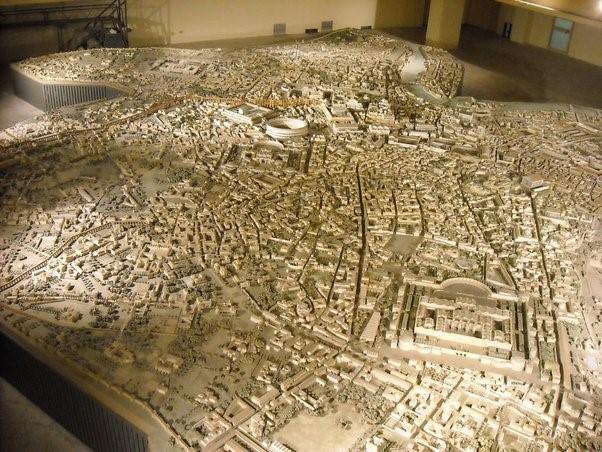
Urbs Cicero asks "in qua urbe vivimus?" - What city are we living in? Urbs actually occurs three times in this passage in the ablative singular and plural cases (urbe, urbis). The Latin word urbs (genitive: urbis), meaning city, is a third-declension feminine noun...
by Ian | Apr 30, 2025 | in Catilinam
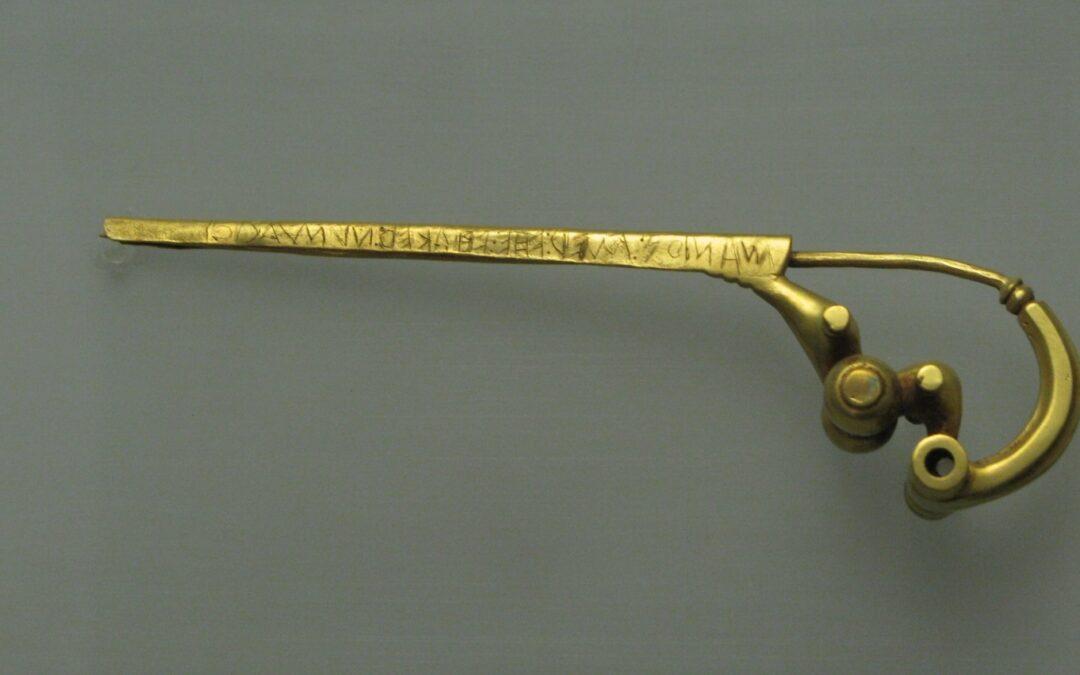
Praeneste Praeneste - a city not foar from Rome. Cicero continues his speech by gloating about Praeneste. He taunts Catiline with "What? When you made sure that you would be able to seize Praeneste on the first of November by a nocturnal attack. Did you not find that...
by Ian | Apr 23, 2025 | in Catilinam
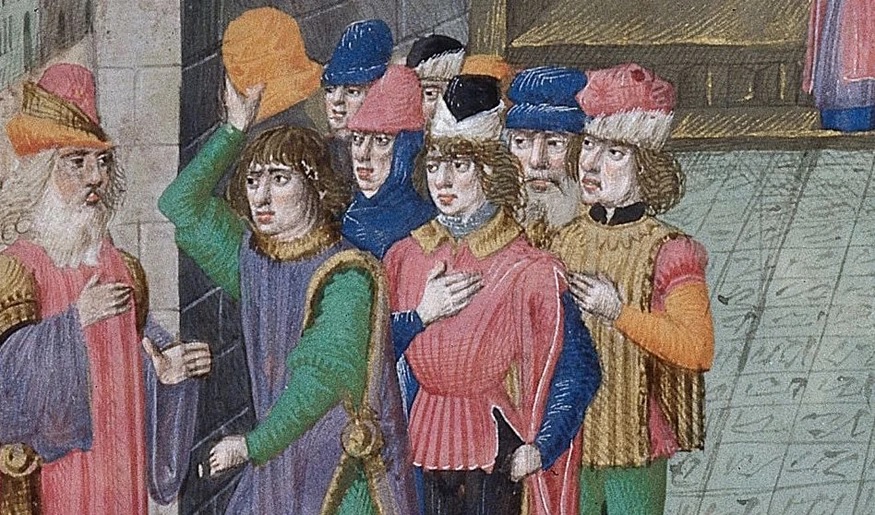
Gaius Manlius Manlius was a war veteran that fought under Sulla for many years. Cicero names him in this passage as one of Catiline’s main allies. After his years of service, he, like many of Sulla’s ex-soldiers, settled in Etruria where he came under financial...
by Ian | Apr 16, 2025 | in Catilinam
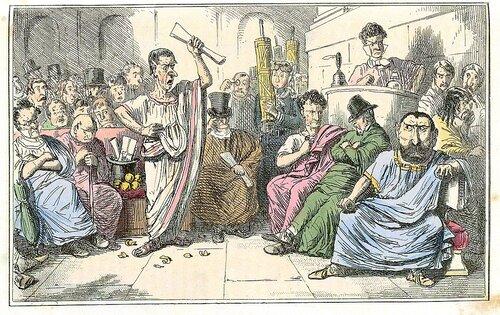
tam improbus, tam perditus, tam tui similis Towards the end of section 5 near the beginning of today's post this little phrase appears: cum iam nemo tam improbus, tam perditus, tam tui similis and while it is only 10 words long it has a certain beauty to it. Read it...

Recent Comments