by Ian | Jun 17, 2025 | dBG Book 1
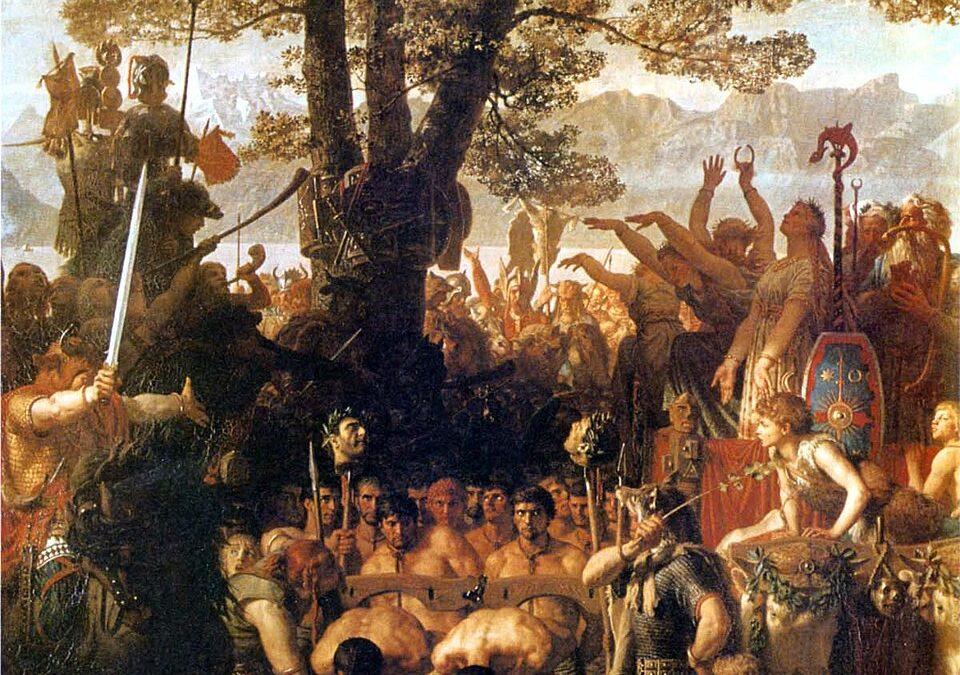
Tigurinus tribe The Tigurinus tribe, a sub-group of the larger Helvetii confederation, occupies a fleeting but critical moment in Julius Caesar's Commentarii de Bello Gallico. Caesar references the Tigurini in Book 1 as part of his broader justification for waging war...
by Ian | Jun 10, 2025 | dBG Book 1
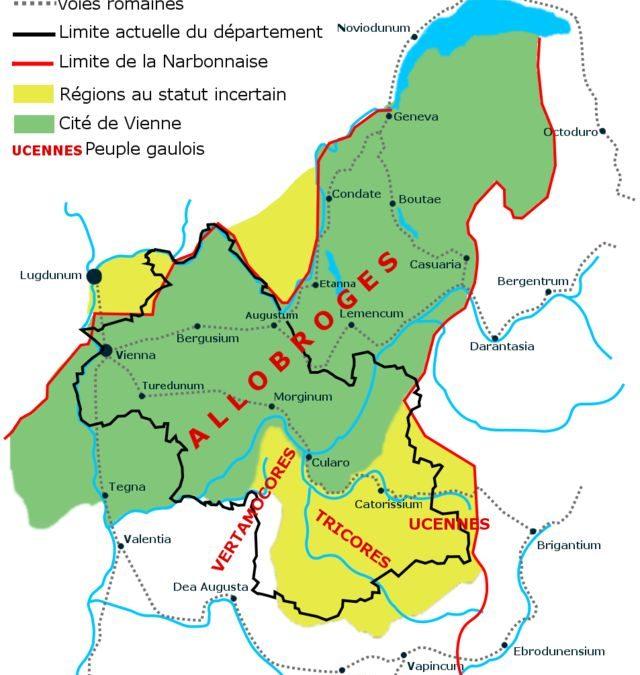
Allobroges The Allobroges were a Gallic tribe that lived in the Rhône Valley, between the Rhône and Isère rivers, and around present-day Geneva. They were first mentioned in historical records in connection with Hannibal's crossing of the Alps in 218 BCE. The...
by Ian | Jun 3, 2025 | dBG Book 1
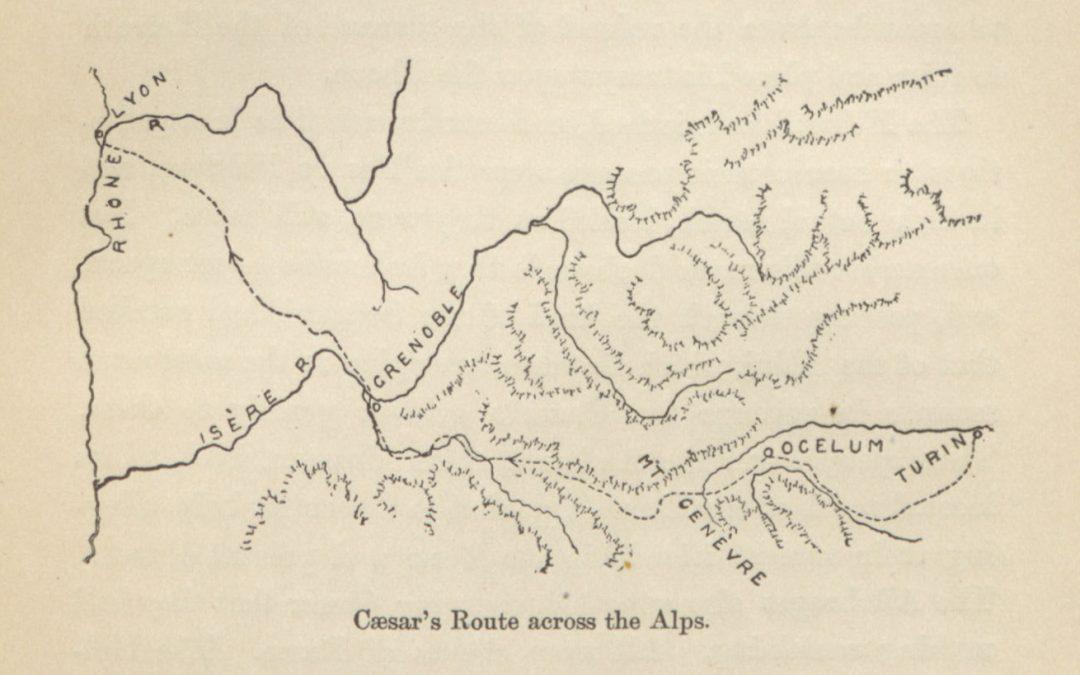
Ocelum Ocelum was a Roman town located at the frontier of Cisalpine Gaul, marking the boundary between Roman-controlled territory and the independent Alpine tribes. Julius Caesar mentions Ocelum in Commentarii de Bello Gallico, describing it as the last settlement in...
by Ian | May 27, 2025 | dBG Book 1
Helvetii In Chapters 9 and 10 of De Bello Gallico, Julius Caesar describes the political and military tensions among the Gallic tribes, particularly the Helvetii and their interactions with neighbouring groups. Chapter 9: The Helvetii and Their Allies Caesar details...
by Ian | May 20, 2025 | dBG Book 1
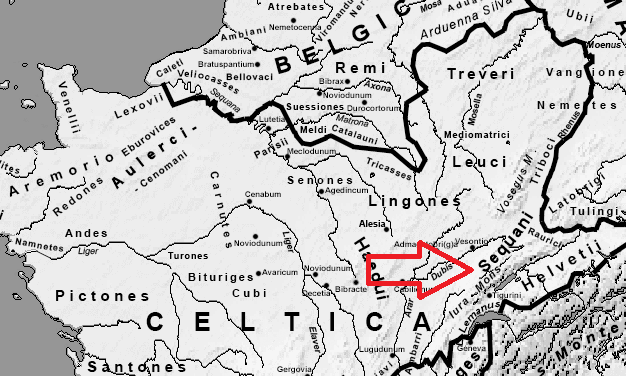
Sequani Before the arrival of Julius Caesar in Gaul, the Sequani had taken the side of the Arverni against their rivals the Aedui and hired the Suebi under Ariovistus to cross the Rhine and help them (71 BC). Although his assistance enabled them to defeat the Aedui,...
by Ian | May 13, 2025 | dBG Book 1
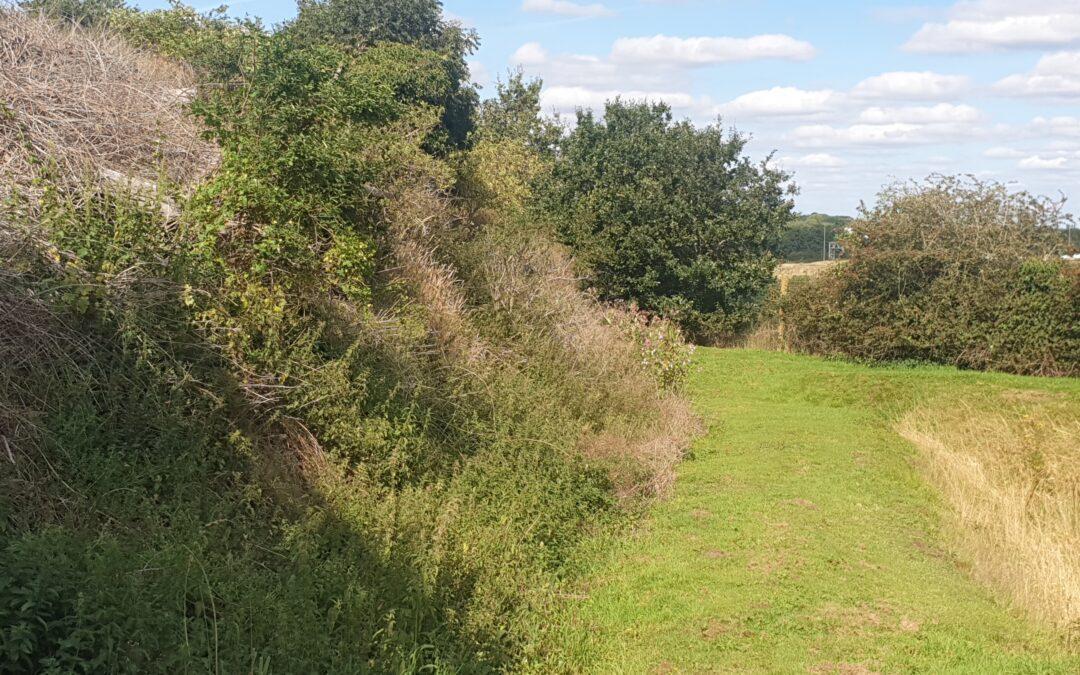
Murus Caesar builds a murus (a wall), with the legion which he had with him and the soldiers which he had assembled from the Province (in the last post). He builds this earth and turf wall for nineteen miles (about 18 Imperial miles or 29 kilometres) and not only that...

Recent Comments