by Ian | Jul 29, 2025 | dBG Book 1
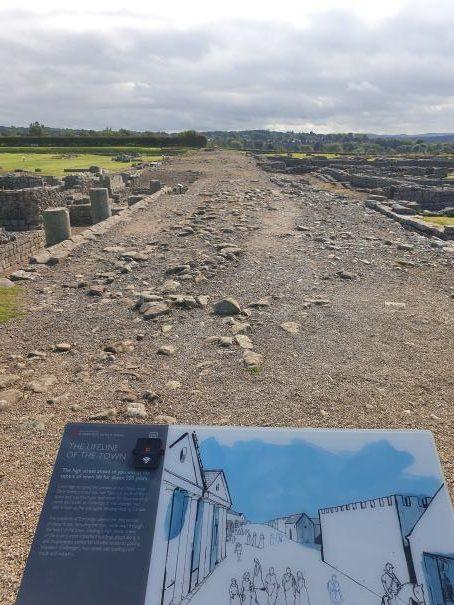
emo - shop till you drop The Latin verb emo, meaning 'to buy' or 'to acquire through purchase', is a third-conjugation verb with principal parts emo, emere, emi, emptum. In classical Latin literature, emo appears in both literal and figurative contexts, often...
by Ian | Jul 22, 2025 | dBG Book 1
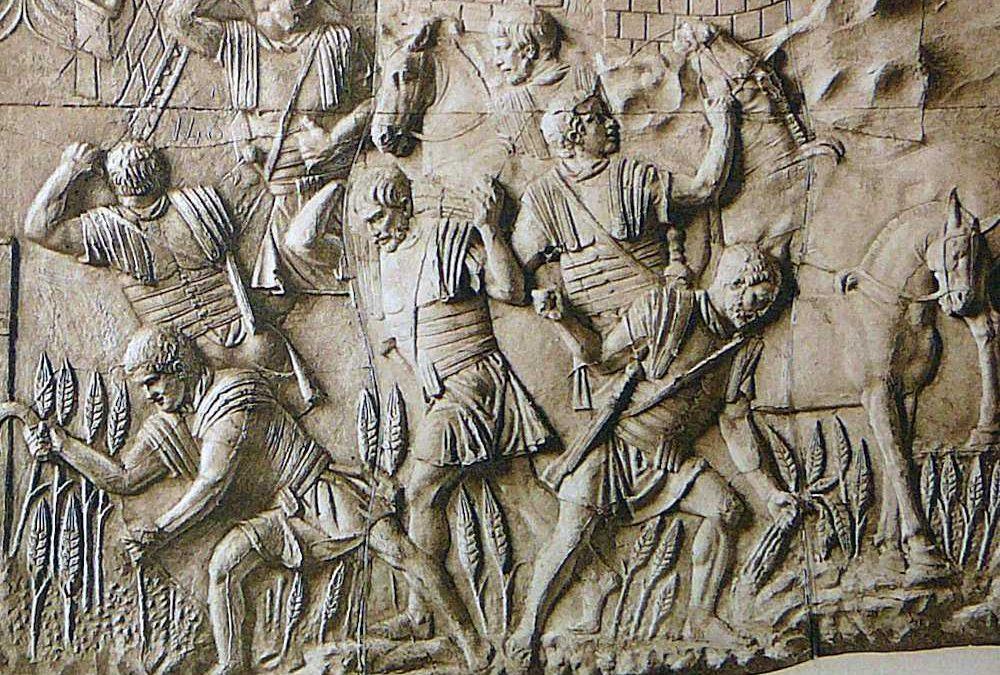
frumentum - an allowance The Latin word frumentum denotes grain, especially wheat, and by extension refers to a vital resource: food supply for both civilian and military populations. In Caesar’s writings—most notably Commentarii de Bello Gallico—frumentum...
by Ian | Jul 15, 2025 | dBG Book 1
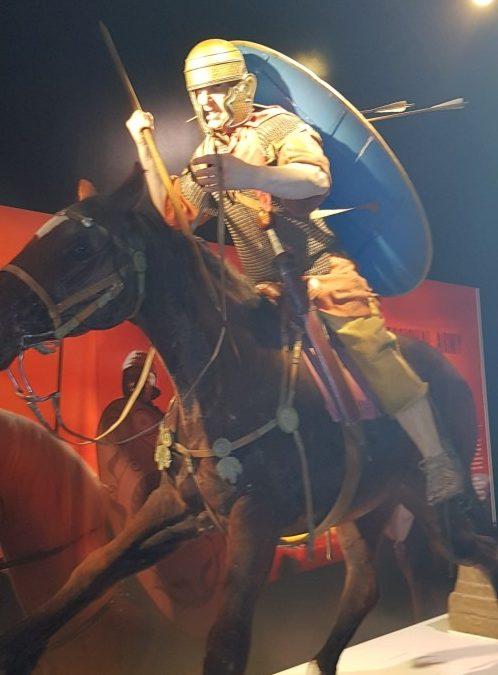
moveo - move along please! The Latin verb moveo is fundamentally a word of action, but its literary applications reach far beyond physical motion. It appears frequently across genres as a mechanism to express emotional, rhetorical, and transformative force. In epic...
by Ian | Jul 8, 2025 | dBG Book 1
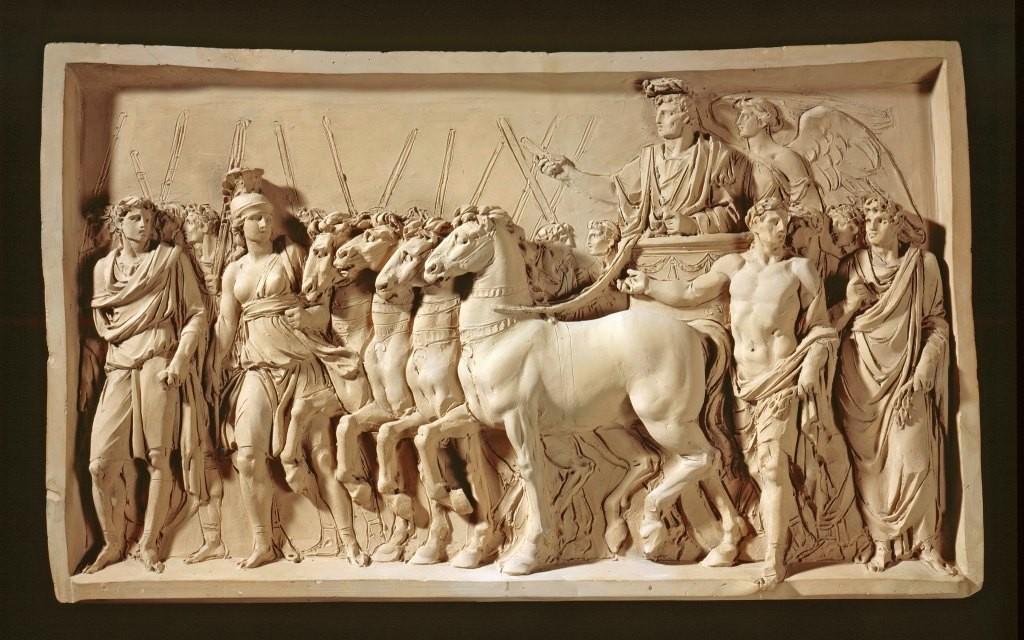
Victoria In Latin, victoria means victory, triumph, or conquest, and it holds a central place in Roman cultural, military, and religious life. A first-declension feminine noun, its forms include victoria, victoriae, victoriae, victoriam, victoria, victoriae,...
by Ian | Jul 1, 2025 | dBG Book 1
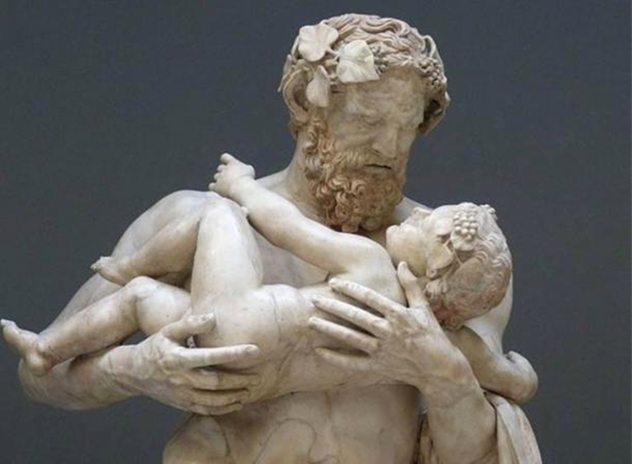
Pater In Roman classical literature, the concept of 'pater'—Latin for father—embodied far more than biological parenthood. It was a symbol of authority, duty, and moral leadership, deeply woven into the Roman understanding of family, society, and even the cosmos. The...
by Ian | Jun 24, 2025 | dBG Book 1
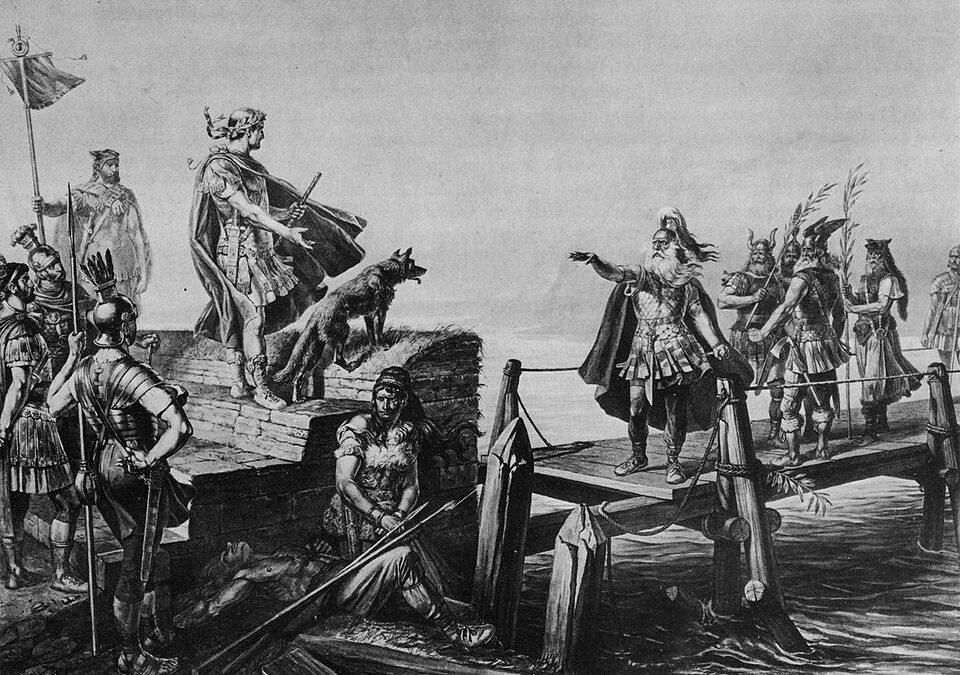
Divico Divico, a prominent leader of the Helvetii tribe, emerges in Julius Caesar's Commentarii de Bello Gallico as a symbol of Gallic pride, tenacity, and tragic defiance. He is remembered for his commanding presence during two key episodes: the Helvetian victory...

Recent Comments