
by Ian | May 14, 2025 | Cicero in Catilinam Vocab
cura- concerned about care The Latin word cura (genitive: curae), meaning care, concern, attention, or anxiety, is a first-declension feminine noun with significant versatility and depth. Its usage in classical Roman literature reflects a range of human experiences,...
by Ian | May 14, 2025 | Cicero in Catilinam-SbS
Two Roman knights were found to deliver you from this anxiety, and to promise that very night, before daybreak, to slay me in my bed. [10] All this I knew almost before your meeting had broken up. I strengthened and fortified my house with a stronger guard; I refused...

by Ian | May 13, 2025 | Caesar Vocab
spatium - space the final frontier The Latin noun spatium carries a breadth of meanings across various literary contexts, reflecting its significance in both the physical and metaphorical realms. Primarily, spatium denotes ‘space’ or ‘distance,’ referring to measured...
by Ian | May 13, 2025 | Caesar-SbS
Yet, in order that a period might intervene, until the soldiers whom he had ordered [to be furnished] should assemble, he replied to the ambassadors, that he would take time to deliberate; if they wanted any thing, they might return on the day before the ides of April...
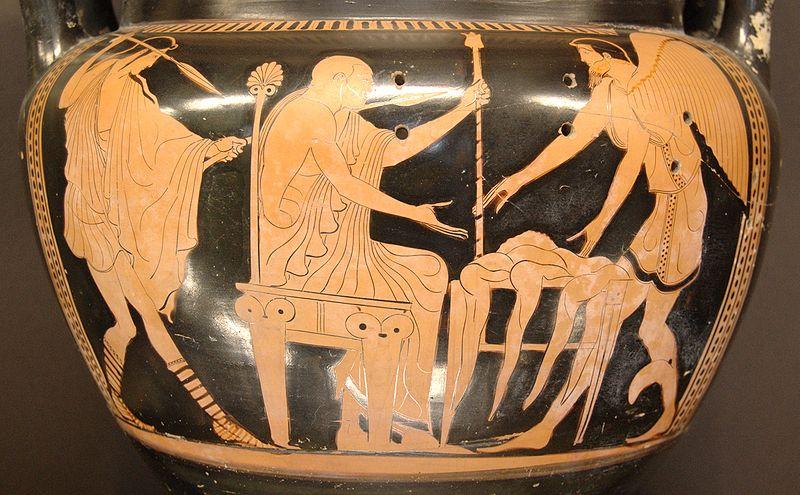
by Ian | May 12, 2025 | Argonauts Vocab
appello - to call or not to call... The Latin verbs appello, appellare and appello, appellere share a common root but diverge significantly in meaning and usage within Latin literature and discourse. Their differences stem from their grammatical conjugations—one...
by Ian | May 9, 2025 | Mark SbS
Chapter 2 8 And immediatly, when Iesus perceiued in his Spirit, that they so reasoned within themselues, he said vnto them, Why reason ye these things in your hearts?9 Whether is it easier to say to the sicke of the palsie, Thy sinnes be forgiuen thee: or to say,...

Recent Comments