
by Ian | Jun 18, 2025 | in Catilinam
omitto The Latin verb omitto, omittere, omisi, omissum is a third-conjugation verb meaning 'to let go', 'to disregard', 'to neglect', or 'to omit'. Its core sense is rooted in the act of releasing or allowing something to fall away, both physically and metaphorically....
by Ian | Jun 11, 2025 | in Catilinam
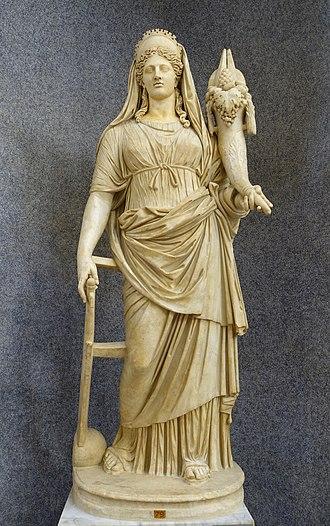
fortuna The Latin word fortuna refers to luck, fate, or chance, and it plays a significant role in Roman thought and literature. It embodies both positive and negative aspects of fortune, reflecting the unpredictable nature of life. The concept of fortuna was deeply...

by Ian | Jun 4, 2025 | in Catilinam
exsilium The Roman concept of exsilium referred to exile or banishment, a form of punishment that removed individuals from their homeland, often as an alternative to harsher penalties like execution. However, exsilium was voluntary on the part of an accused citizen,...
by Ian | May 28, 2025 | in Catilinam
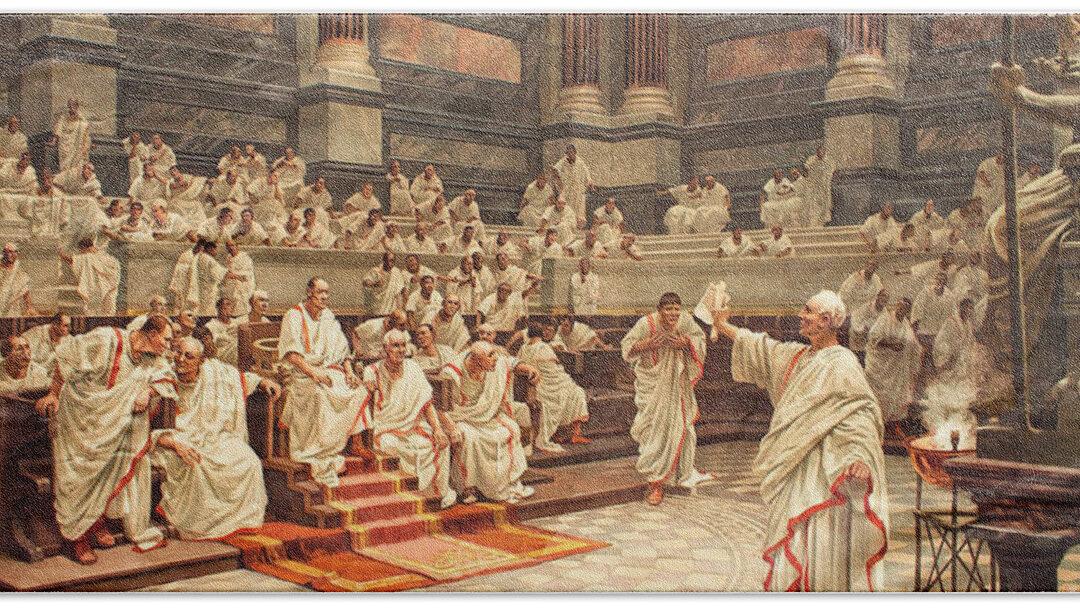
res publica The Roman concept of res publica—literally meaning ‘public affair’—was foundational to Roman political thought and governance. It represented the collective interests of the Roman people and the state, emphasizing the idea that power and responsibility...

by Ian | May 21, 2025 | in Catilinam
di immortales The di immortales (immortal gods) are frequently referred to in literature of this period. Cicero in particular had an interest in the gods and wrote a few books on the subject. Works like de Natura Deorum (on the Nature of the Gods) and de Divinatione...

by Ian | May 14, 2025 | in Catilinam
Lucius Manlius Torquatus This is the Manlius referred to in Chapter 5 where he says nimium diu te imperatorem tua illa Manliana castra desiderant - “That Manlian camp of yours has been waiting too long for you as its general.” In fact there is a whole line of Lucius...

Recent Comments