by Ian | May 12, 2026 | Cicero
Cicero de Oratore Full Deep Dive Highlighter Strip of this Full Original Sentence Cogitanti mihi saepe numero et memoria vetera repetenti perbeati fuisse, Quinte frater, illi videri solent, qui in optima re publica, cum et honoribus et rerum gestarum gloria florerent,...
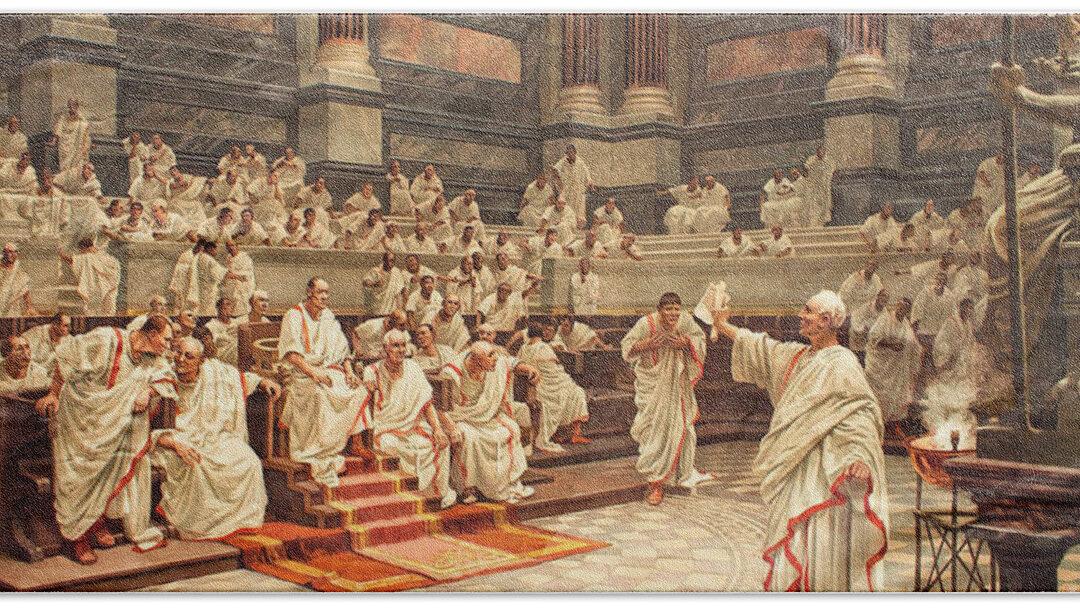
by Ian | Nov 22, 2025 | Author, Cicero
Discover the Legacy of Cicero Marcus Tullius Cicero: Life, Works, and Legacy Explore the profound impact of Cicero on literature and philosophy, and understand his enduring influence on Western thought. Learn More Marcus Tullius Cicero Intro Marcus Tullius Cicero...

by Ian | Sep 10, 2025 | in Catilinam
etenim - for indeed The Latin conjunction etenim functions as a nuanced connective, typically translated as 'for indeed' or 'and in fact'. It combines et and enim, reinforcing the causal or explanatory force of a statement while also signalling its rhetorical...

by Ian | Sep 3, 2025 | in Catilinam
patrius - inherited duty The Latin verb careo (first person careo, infinitive carere, perfect carui) means ‘to be without’, ‘to lack’, or ‘to be free from’, and it governs the ablative case. It is used in classical Latin literature to express absence, deprivation, or...

by Ian | Aug 27, 2025 | in Catilinam
careo - nothing to do with care The Latin verb careo (first person careo, infinitive carere, perfect carui) means ‘to be without’, ‘to lack’, or ‘to be free from’, and it governs the ablative case. It is used in classical Latin literature to express absence,...
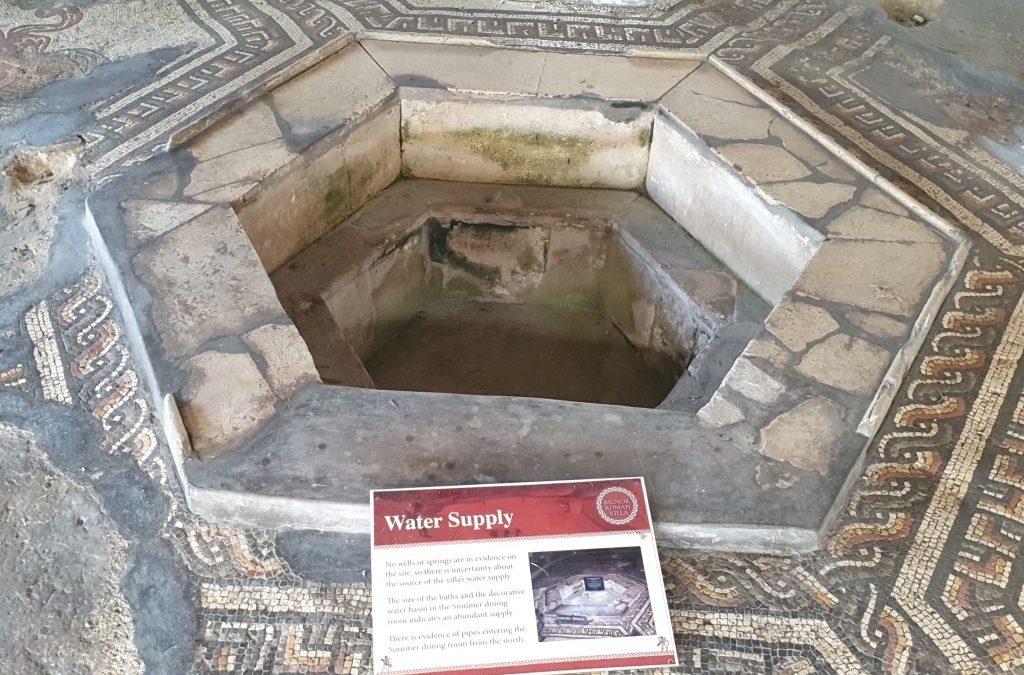
by Ian | Aug 20, 2025 | in Catilinam
careo - nothing to do with care The Latin verb careo (first person careo, infinitive carere, perfect carui) means ‘to be without’, ‘to lack’, or ‘to be free from’, and it governs the ablative case. It is used in classical Latin literature to express absence,...

Recent Comments