
The Significance of Juno in Roman Mythology
Juno, the daughter of Saturn, is a pivotal figure in Roman mythology, revered as the queen of the gods and the female counterpart to Jupiter. Her role transcends mere symbolism; she embodies the essence of womanhood, marriage, and family life. As a member of the Capitoline triad, which includes Jupiter and Minerva, Juno was integral to the spiritual and social dynamics of ancient Rome, influencing both religious practices and daily life.
Juno’s connection to women
Juno’s connection to women is profound. She is often seen as the protector of marriage, safeguarding the sanctity and stability of family life. This aspect of her character made her a central figure in the lives of Roman women, who would seek her blessings for a harmonious marriage and fruitful motherhood. Temples dedicated to Juno, such as the one on the Esquiline Hill, served as sacred spaces where women could pray for guidance and support, reflecting her importance in their lives.
In her role as a “female comforter,” Juno represents the nurturing aspect of femininity. Each woman was believed to have her own “juno,” akin to the genius that guided men. This belief highlights her role as a guardian spirit, offering protection and support throughout a woman’s life journey. Juno’s nurturing qualities are often contrasted with her fierce protectiveness, illustrating the duality of her character. She embodies both the gentle, comforting presence of a mother and the fierce warrior who defends her loved ones.
Juno and Aeolus
One of the most compelling narratives involving Juno is her interaction with Aeolus, the god of winds. In this myth, Juno seeks Aeolus’s assistance to unleash storms upon her rivals, particularly during the Trojan War. This story not only showcases her assertive nature but also her willingness to intervene in the affairs of gods and mortals alike. Juno’s actions in this narrative reflect her complexity as a deity who embodies both nurturing and fierce qualities. She is not merely a passive figure; she actively shapes the course of events, demonstrating her power and influence.
Juno’s relationships with other deities further illustrate her significance in Roman mythology. Her marriage to Jupiter, though often tumultuous, symbolizes the balance of power between male and female forces in the divine realm. Their dynamic reflects the complexities of marital relationships, with Juno frequently depicted as jealous and protective, particularly regarding Jupiter’s numerous affairs. This aspect of her character resonates with many, as it highlights the struggles and challenges faced in relationships, making her a relatable figure even in the context of mythology.
Juno’s legacy
Moreover, Juno’s legacy extends beyond ancient Rome. She has inspired countless works of art, literature, and modern interpretations of mythology. Her image as a powerful female figure continues to resonate today, reminding us of the strength and significance of the feminine divine in shaping cultural narratives and values. Whether through her protective nature or her role in marriage, Juno remains a timeless symbol of womanhood and resilience.
In conclusion, Juno’s multifaceted character as a goddess of marriage, protector of women, and fierce warrior makes her a central figure in Roman mythology. Her stories reflect the complexities of human relationships and the enduring power of the feminine divine. As we explore her legacy, we are reminded of the vital role that female figures play in mythology and their impact on our understanding of gender, power, and identity. Juno’s influence is a testament to the strength of women throughout history, inspiring generations to embrace their own power and resilience.
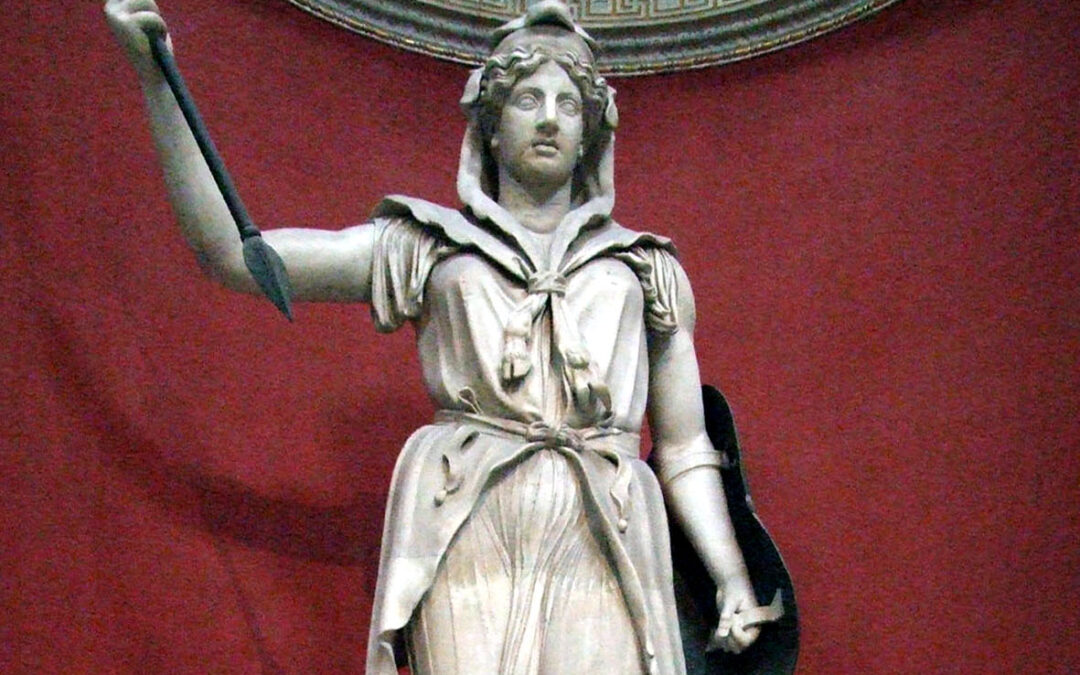
The artwork for todays post is Juno Sospita,
a plaster cast based on an original in the Vatican Museums
Here is a text only version. (See below for an interactive version)
Quippe vetor fatis. Pallasne exurere classem
Argivum atque ipsos potuit submergere ponto,
unius ob noxam et furias Aiacis Oilei?
Ipsa, Iovis rapidum iaculata e nubibus ignem,
disiecitque rates evertitque aequora ventis,
illum expirantem transfixo pectore flammas
turbine corripuit scopuloque infixit acuto.
Ast ego, quae divom incedo regina, Iovisque
et soror et coniunx, una cum gente tot annos
bella gero! Et quisquam numen Iunonis adoret
praeterea, aut supplex aris imponet honorem?”
Talia flammato secum dea corde volutans
nimborum in patriam, loca feta furentibus austris,
Aeoliam venit. Hic vasto rex Aeolus antro
luctantes ventos tempestatesque sonoras
imperio premit ac vinclis et carcere frenat.
Do You Need A Little Help?
If you are are relatively new to reading the classic authors in Latin or if you need some extra help then you might find it helpful to start with the Side-by-Side Version which allows you to access my own attempt at VERY LITERAL TRANSLATION of the passage which should make the Latin a little bit easier to understand.
Finally come back to this page - Classical Text and you should be able to fully understand and competently read the original Latin text.
In addition there is a New-Vocabulary Version of this text with a link at the bottom of the page.
To Read the Interactive Text Below Without a Dictionary-
On a Computer: you hover over a word and get all the possible parts of speech; declensions; and conjugations of every word.
To read the text without a dictionary-
You simply hover over a word and you will get all the possible parts of speech; declensions; conjugations of every word.
To read the text without a dictionary-
You simply hover over a word and you will get all the possible parts of speech; declensions; conjugations of every word.
INTERACTIVE DICTIONARY FREE TEXT
Quippe vetor fatis. Pallasne exurere classem
Argivum atque ipsos potuit submergere ponto,
unius ob noxam et furias Aiacis Oilei?
You Need to be at least a Trial Member to Access the Interactive Dictionary
Ipsa, Iovis rapidum iaculata e nubibus ignem,
disiecitque rates evertitque aequora ventis,
illum expirantem transfixo pectore flammas
turbine corripuit scopuloque infixit acuto.
Ast ego, quae divom incedo regina, Iovisque
et soror et coniunx, una cum gente tot annos
bella gero! Et quisquam numen Iunonis adoret
praeterea, aut supplex aris imponet honorem?”
Talia flammato secum dea corde volutans
nimborum in patriam, loca feta furentibus austris,
Aeoliam venit. Hic vasto rex Aeolus antro
luctantes ventos tempestatesque sonoras
imperio premit ac vinclis et carcere frenat.
INTERACTIVE DICTIONARY-FREE TEXT
Quippe vetor fatis. Pallasne exurere classem
Argivum atque ipsos potuit submergere ponto,
unius ob noxam et furias Aiacis Oilei?
You Need to be at least a Trial Member to Access the Interactive Dictionary
Ipsa, Iovis rapidum iaculata e nubibus ignem,
disiecitque rates evertitque aequora ventis,
illum expirantem transfixo pectore flammas
turbine corripuit scopuloque infixit acuto.
Ast ego, quae divom incedo regina, Iovisque
et soror et coniunx, una cum gente tot annos
bella gero! Et quisquam numen Iunonis adoret
praeterea, aut supplex aris imponet honorem?”
Talia flammato secum dea corde volutans
nimborum in patriam, loca feta furentibus austris,
Aeoliam venit. Hic vasto rex Aeolus antro
luctantes ventos tempestatesque sonoras
imperio premit ac vinclis et carcere frenat.
Recent Comments