by Ian | Apr 25, 2025 | Mark Vocab
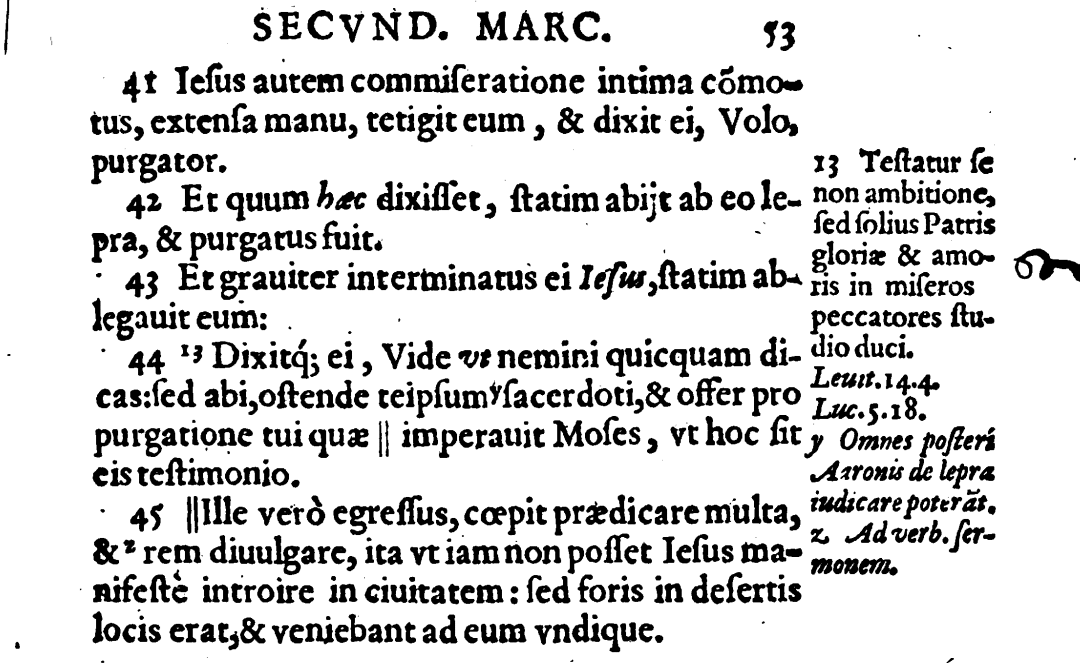
statim - immediately, at once The Latin adverb statim means 'immediately' or 'at once,' conveying a sense of urgency or instant action. It was frequently used by classical authors to indicate swift transitions, immediate consequences, or sudden realizations. In Roman...
by Ian | Apr 24, 2025 | Mark Vocab
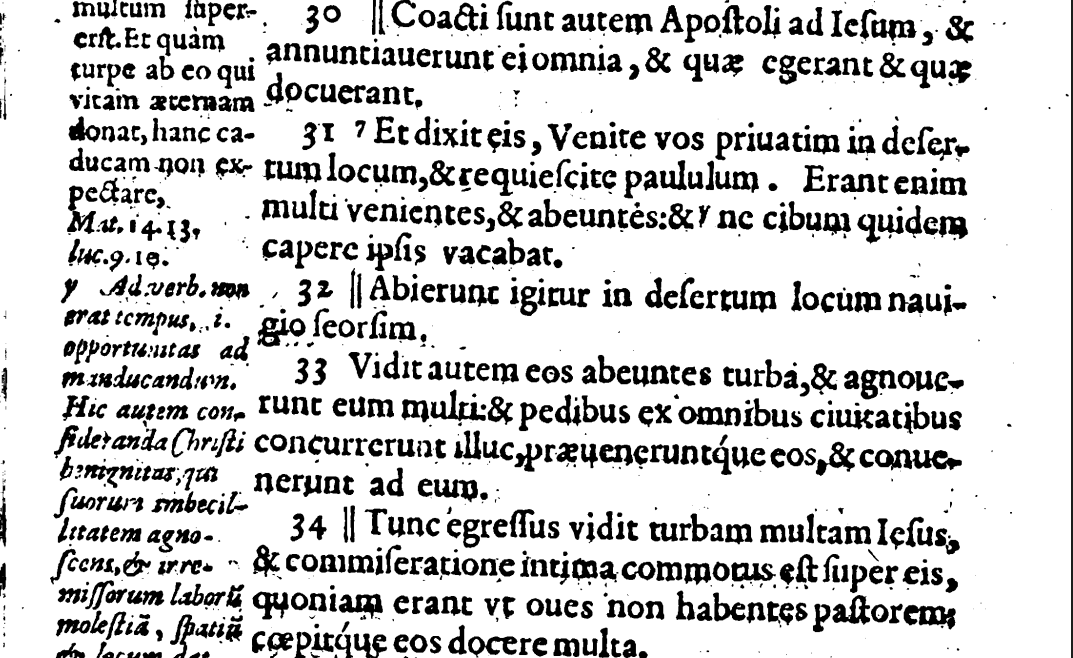
autem - but on the other hand The Latin conjunction autem is a postpositive word, meaning it always appears after the first word of a clause or phrase. It is typically translated as 'however', 'moreover', or 'on the other hand', and plays a crucial role in...
by Ian | Apr 24, 2025 | Aeneid Translation
Behind rises shouting of men and whistling of cordage. In a moment clouds blot sky and daylight from the Teucrians' eyes; black night broods over the deep. Pole thunders to pole, and the air quivers with incessant flashes; all menaces them with instant death....

by Ian | Apr 24, 2025 | Aeneid Vocab
The Resonance of 'clamor': Voices of Protest and Joy clamor m (genitive clamoris); third declension meaning a loud call, a shout or an outcry or protest. Sent by Copilot: In the rich landscape of Latin, the noun clamor (genitive clamoris) stands out as a powerful term...

by Ian | Apr 23, 2025 | Cicero in Catilinam Vocab
mens- it's all in your head The Latin word mens, which translates broadly to mind, intellect, reason, or thought, is a profound and versatile term in classical literature and philosophy. It is a third-declension feminine noun (genitive: mentis) and holds a central...
by Ian | Apr 23, 2025 | Cicero in Catilinam-SbS
Change your mind: trust me: forget the slaughter and conflagration you are meditating. You are hemmed in on all sides; all your plans are clearer than the day to us; let me remind you of them. [7] Do you recollect that on the 21st of October I said in the senate, that...

Recent Comments