by Ian | Jul 17, 2025 | Aeneid Translation
Then shall war cease, and the iron ages soften. Hoar Faith and Vesta, Quirinus and Remus brothers again, shall deliver statutes. The dreadful steel-riveted gates of war shall be shut fast; on murderous weapons the inhuman Fury, his hands bound behind him with an...

by Ian | Jul 17, 2025 | Aeneid Vocab
tum - then at that time The Latin adverb tum, meaning 'then' or 'at that time', plays a subtle yet powerful role in Virgil’s poetic architecture. It functions not merely as a temporal marker but as a rhythmic and thematic device that guides the reader through...
by Ian | Jul 16, 2025 | Cicero in Catilinam-SbS
And when you were not received by him, you dared even to come to me, and begged me to keep you in my house; and when you had received answer from me that I could not possibly be safe in the same house with you, when I considered myself in great danger as long as we...
by Ian | Jul 16, 2025 | Cicero in Catilinam Vocab
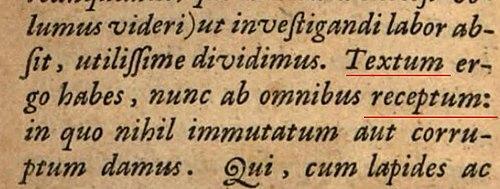
etiam - even still The Latin adverb etiam, commonly translated as ‘also’, ‘even’, or ‘still’, carries flexible emphasis across authors and genres. Rather than simply adding elements, it shades meaning, modifies tone, and calibrates rhetorical weight. In Cicero’s...
by Ian | Jul 15, 2025 | Caesar-SbS
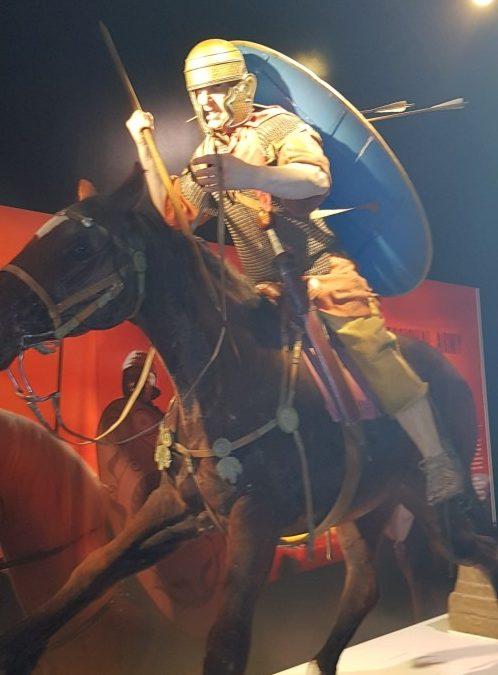
15 On the following day they move their camp from that place; Caesar does the same, and sends forward all his cavalry, to the number of four thousand (which he had drawn together from all parts of the Province and from the Aedui and their allies), to observe toward...
by Ian | Jul 15, 2025 | Caesar Vocab
posterus - coming after next The Latin adjective posterus, meaning ‘coming after’ or ‘next,’ operates both temporally and genealogically in classical literature. Its semantic field includes time (e.g. future days or events) and lineage (e.g. descendants), making it a...

Recent Comments