
Literary Insights Await
“Grammar Spotlight: Mastering the Ablative Absolute”

The Power of Words
What is an Ablative Absolute?
The Ablative Absolute is a phrase made up of:
- A noun in the ablative case
- A participle in the ablative case
Noun (abl.) + Participle (abl.) → Ablative Absolute
Example:
urbe capta, hostes fugerunt.
Translation: “With the city having been captured, the enemies fled.”
How to Translate It
You can render an Ablative Absolute as:
- Temporal: “When…”
- Causal: “Since…”
- Concessive: “Although…”
Depending on the context.
HOVER over the coloured text opposite (and in the grey boxes below) for a full dictionary/declension of the word.
The participle sets the time frame:
Literal: urbe capta → “With the city captured.”
Perfect: urbe capta
→ “When\Since\Although the city was captured.”
Present: urbe capiente → “When\Since\Although the city is being captured.”
Future: urbe captura → “When\Since\Although the city is about to be captured."
Perfect for past, Present for ongoing, Future for upcoming.
(dBG 1.3.1)
Ablative Absolute: his rebus adducti
Translation: "having been persuaded by these things"

Ablative Absolute: posthabito Samo
Translation: "with Samos having been neglected
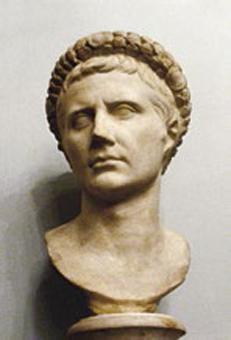
urbs antiqua fuit, Tyrii tenuere coloni, Karthago, Italiam contra Tiberinaque longe ostia, dives opum studiisque asperrima belli; quam Iuno fertur terris magis omnibus unam posthabita coluisse Samo; hic illius arma, hic currus fuit; hoc regnum dea gentibus esse, si qua fata sinant, iam tum tenditque fovetque.
Aen. 1.12–16.
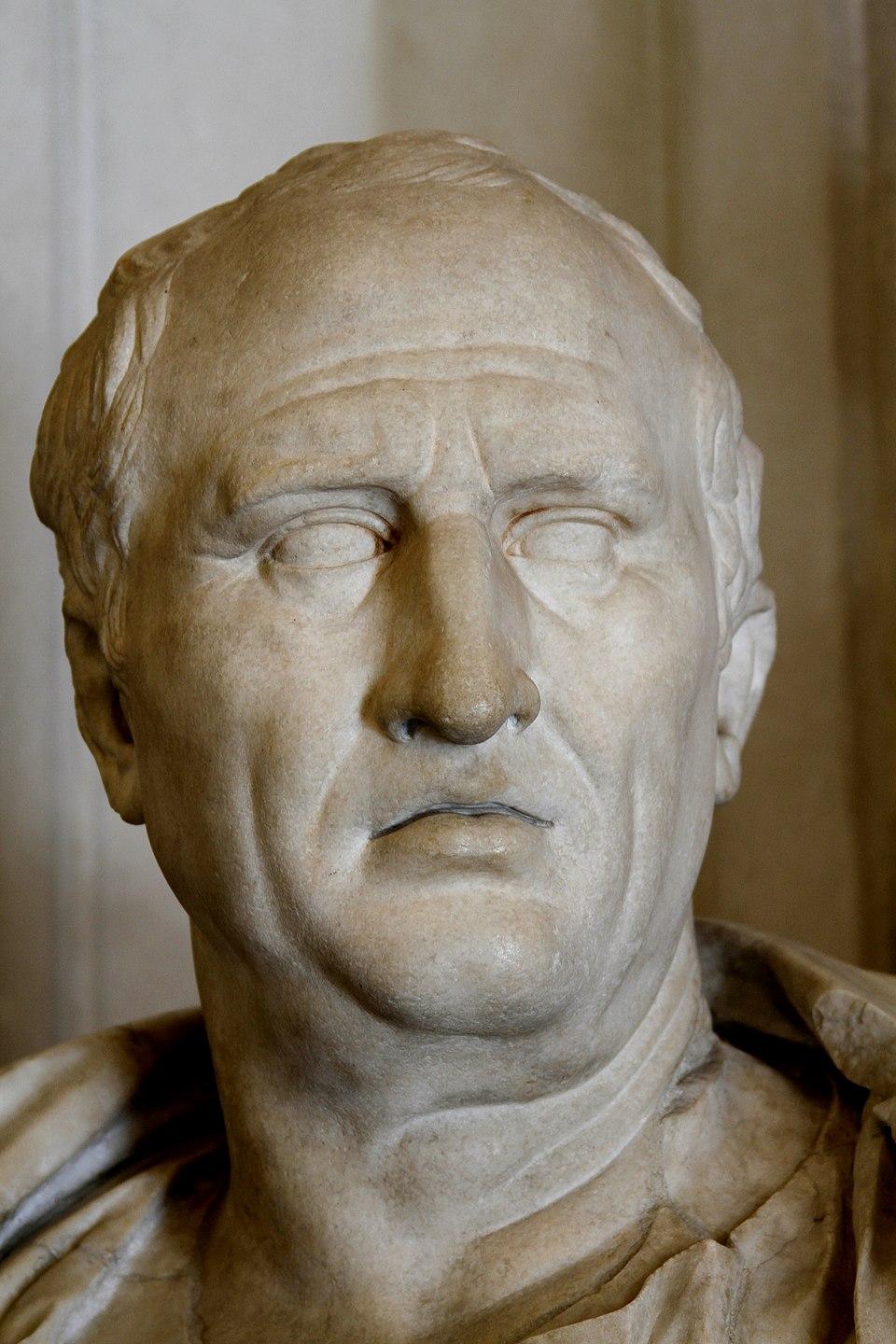
In Cat. 1.3.
Ablative Absolute: nullo tumultu concitato
Translation: "with no public disturbance having been agitated"
Exploring Language and Learning
Why It Matters
- Caesar uses the Ablative Absolute for cause,
- Cicero for background detail,
- Vergil for concession.
Mastering this construction will make your reading of Latin authors smoother and more enjoyable.
Insights from Literary Quotes
The quotes presented above delve into the profound impact of language and the journey of learning. Wittgenstein's insight reminds us that language shapes our perception and understanding of the world, emphasising the beauty and power of words. Socrates' reflection on wisdom highlights the importance of acknowledging our limitations as a stepping stone to mastery. Together, these quotes underscore the transformative nature of language and the continuous pursuit of knowledge. They resonate with our mission at CentumVerba.com, where we facilitate a seamless and enriching Latin learning experience, allowing readers to expand their linguistic horizons and deepen their comprehension.
Explore Further: Related Questions
1. What is the Ablative case in Latin and why is it so versatile?
The Ablative Case expresses ideas like separation, means, cause, manner, and more. It often replaces prepositions used in English.
2. Why is the Ablative called the “case of separation”?
3. What are the main uses of the Ablative case?
4. How does the Ablative express means or instrument?
5. What is the Ablative of Cause?
6. What is the Ablative of Manner?
7. How does the Ablative show accompaniment?
8. What is the Ablative of Agent?
9. What is the Ablative of Comparison?
Used after comparatives instead of quam (e.g., fortior frātre = “braver than his brother”).
10. What is the Ablative of Respect?
Recent Comments