
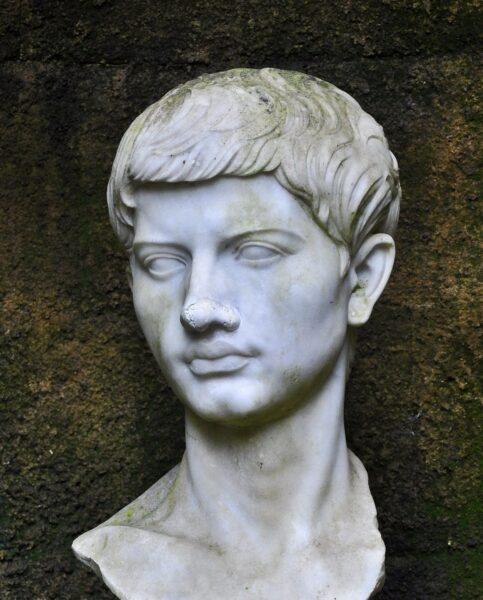
Publius Vergilius Maro Posts
From Most Recent to Earlier Posts
Troy: Virgil Aeneid Book 1 Line 87
Troy Under high Troy town is where Aeneas in his reported speech wishes he had died in battle and glory. Troy was a city in the region of Asia Minor in modern-day Turkey, which was the setting of one of the most famous events in Greek mythology, the Trojan War. The Greek fleet set sail for Troy after the city's prince, Paris, abducted or, according to other sources, eloped with Helen, the wife of King Menelaus of Sparta. Menelaus Menelaus, his brother Agamemnon, and other Greek leaders bound...
Deiopea: Virgil Aeneid Book 1 Line 71
Juno and Aeolus: The Marriage Proposal of Deiopea In Vergil’s Aeneid, the discussion between Juno and Aeolus regarding the nymph Deiopea is a fascinating exploration of beauty, power, and divine intervention. Deiopea, one of Juno’s fourteen nymphs, is promised in marriage to Aeolus, the king of the winds, as a reward for his assistance in shipwrecking the Trojan refugees. This arrangement highlights the intricate relationships among the gods and their influence over mortal affairs. Vergil...
Aeolus: Virgil Aeneid Book 1 Line 55
Aeolus: Keeper of the Winds Aeolus, the divine keeper of the winds, holds a significant place in mythology as the king of the floating island of Aeolia. This enchanting isle serves as a fortress for the violent Storm-Winds, which Aeolus keeps securely locked away in its cavernous depths. He releases these tempestuous forces only at the command of the greatest gods, unleashing their fury to wreak havoc upon the world. In his role as the master of the winds, Aeolus is often conflated with the...
Juno: Virgil Aeneid Book 1 Line 39
The Significance of Juno in Roman Mythology Juno, the daughter of Saturn, is a pivotal figure in Roman mythology, revered as the queen of the gods and the female counterpart to Jupiter. Her role transcends mere symbolism; she embodies the essence of womanhood, marriage, and family life. As a member of the Capitoline triad, which includes Jupiter and Minerva, Juno was integral to the spiritual and social dynamics of ancient Rome, influencing both religious practices and daily life. Juno’s...
Paris: Virgil Aeneid Book 1 Line 19
Paris and Juno’s Grudge: The Judgement of Paris The tale of the Judgement of Paris is a fascinating episode in Greek mythology that highlights themes of beauty, rivalry, and the far-reaching consequences of seemingly trivial decisions. At the heart of this story is Juno, the daughter of Saturn, who harbors a deep-seated grudge stemming from a fateful competition for an apple on Mount Olympus. The myth begins at the wedding of Peleus and Thetis, where all the gods were invited—except for...
Virgil Aeneid Book 1 Line 1
Exploring Vergil’s Aeneid: Book One, Part One The Aeneid, one of the cornerstones of classical literature, opens with the iconic phrase “arma virumque cano,” which translates to “I sing of arms and the man.” This powerful introduction sets the stage for an epic journey, invoking themes of war and heroism. Virgil’s choice of words is not only memorable but also deeply significant, as it encapsulates the essence of the narrative that follows. Muses In this first segment, Virgil calls upon the...